
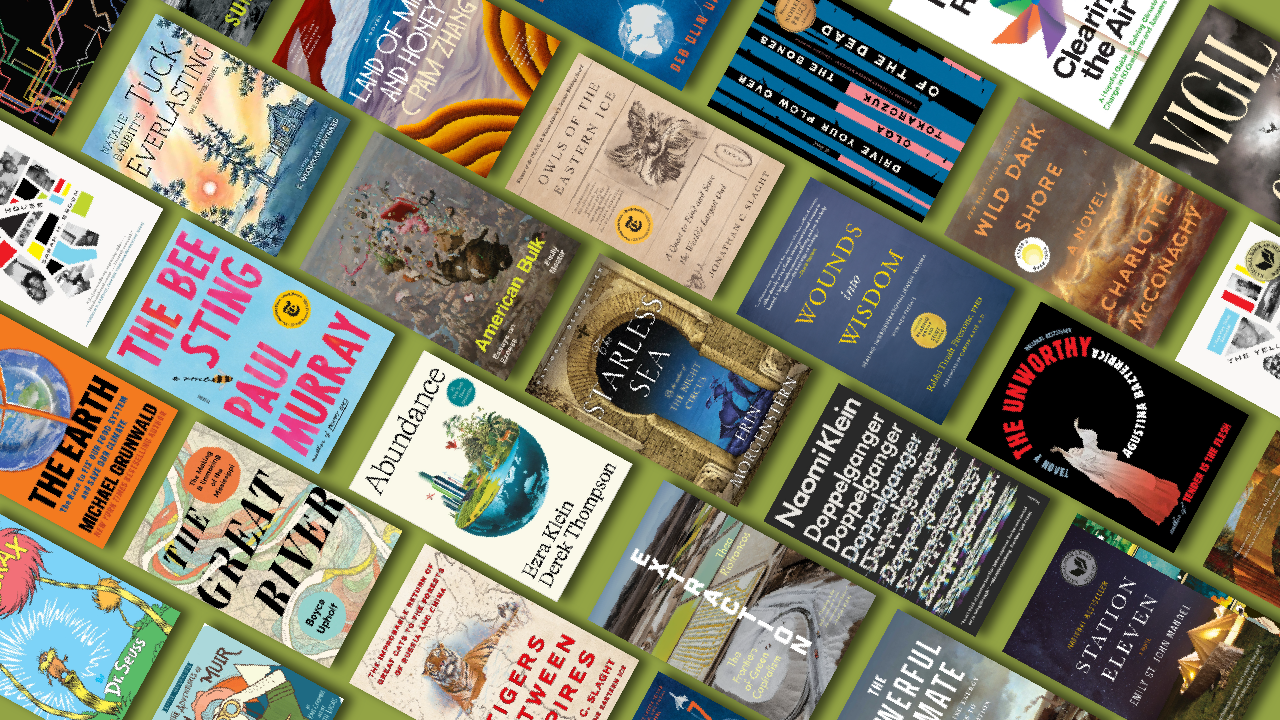
Some people begin the new year with a list of resolutions. I start mine with a new list of books I’d like to read. And being Fresh Energy’s staff writer and editor, my first step is to ask our staff about their favorite climate change-related books that informed, inspired, or entertained them in 2025 — along with the upcoming 2026 releases they’re eager to get their hands on.
Fresh Energy’s staff of climate change experts spend their days advancing clean energy and climate policy across Minnesota and the Midwest. But when we clock out, many of us turn to books that explore climate change from different angles — some through policy, some through journalistic deep dives, and others through fictionalized worlds. This year’s list reflects that range.
I encouraged our staff to recommend their favorite books they read in 2025 with any connection to climate, no matter how tangential. Whether you’re searching for sharp analysis, policy explainers, or escape into a fictional world shaped by climate change, this list will have something for you. And if your 2026 resolution is to read many, many more books, you can read our favorite climate book lists from 2024 and 2025 to fill out your “To Be Read” list.
Here are Fresh Energy’s favorite climate change books we read in 2025 and what we’re looking forward to in 2026:
“The Great River: The Making and Unmaking of the Mississippi” by Boyce Upholt
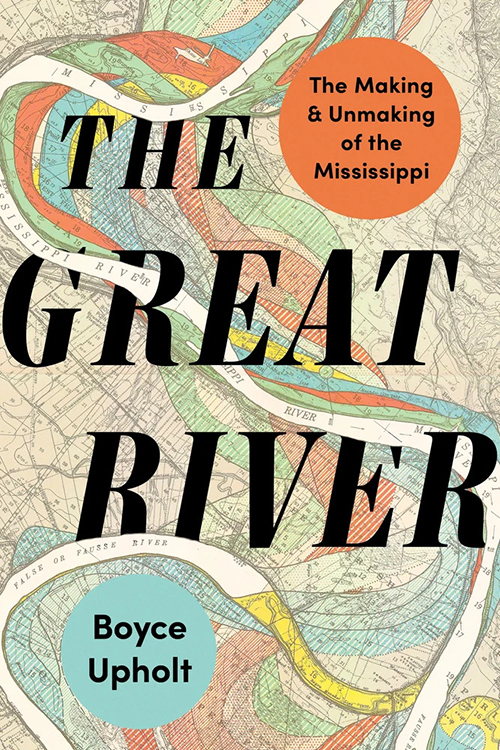
In “The Great River,” Boyce Upholt traces the sweeping natural and cultural history of the Mississippi River, from its sacred status as the “great river” to Indigenous peoples, through its heyday as Mark Twain’s bustling commercial waterway during industrialization, to its present status as a heavily-engineered system of levees, locks, and dams controlled by the U.S. Army Corps of Engineers. Weaving vivid accounts of his paddling journeys down the river, Upholt writes how centuries of human intervention have transformed America’s iconic river into something far different than its wild origins — inviting readers to ask how to restore what’s been lost, and how we might need to reimagine our relationship with the river.
“Upholt takes the reader through the ecological, social, and engineering history of the Mississippi River, from the first Indigenous communities that settled its bluffs to the issues of pollution and navigation it faces today. Really a love letter and a eulogy for what the great river once was.
“He focuses much more on the lower Mississippi, but us Minnesotans get some love with a section on the source at Lake Itasca. Absolutely amazing read that I recommend to anyone even somewhat interested in water, environmental engineering, or tracing the history of people in the region.” – Ethan Culver, senior associate, coalitions and campaigns
“Comprehensive and compelling history of the Mississippi River, with a particular emphasis on how humans interacted with the river and shaped it to meet their needs. While not directly about climate, a lot of the same tensions between human development and the natural world that are at play in our work are discussed in the book. It really made me think about how we balance the needs of a modern society with the needs of the natural world and the consequences of failing to find this balance.” – Will Mulhern, director, electricity
“We Are Eating the Earth: The Race to Fix Our Food System and Save Our Climate” by Michael Grunwald
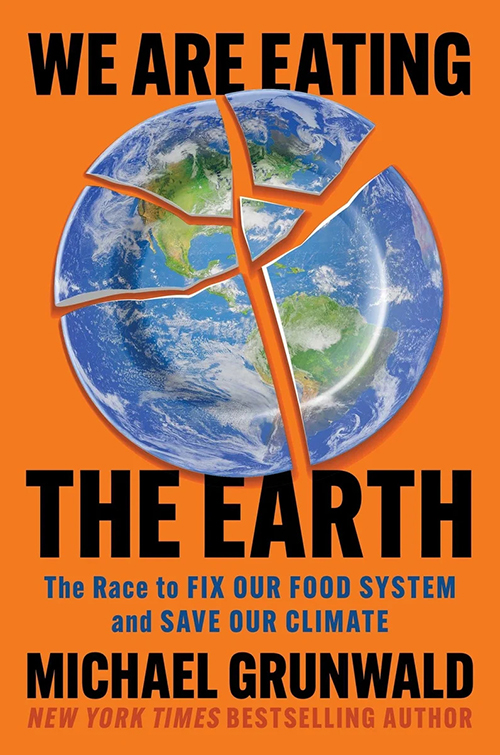
In “We Are Eating the Earth,” Michael Grunwald confronts an overlooked driver of climate change: the global food system, which accounts for roughly one third of the world’s carbon emissions. He examines the full environmental toll of modern agriculture — from fossil fuel dependence to land degradation to biodiversity collapse and widespread pollution — revealing how our methods of food production imperil both our planet and public health. This book provides an uncomfortable call to transform our food system from satisfying our appetites to sustaining our future.
“This book details an often-overlooked source of climate emissions – agriculture and land use. It shares how analysts and policymakers overestimated the benefits of biofuels by neglecting the impacts of deforestation and land-use change and also overviews the potential of cultivated meat.
“I loved this book because it gets at the importance of accurate data in crafting good policy, and it emphasizes the importance of building products for people that aren’t just lowering emissions but are also better products that are more affordable. This is a lesson that we are applying not just in the agricultural sector, but also for things like transportation (EVs) as well as heating, and clean electricity generation.” – Nick Haeg, senior associate, electric vehicles
“Tigers Between Empires: The Improbable Return of Great Cats to the Forests of Russia and China” by Jonathan C. Slaght
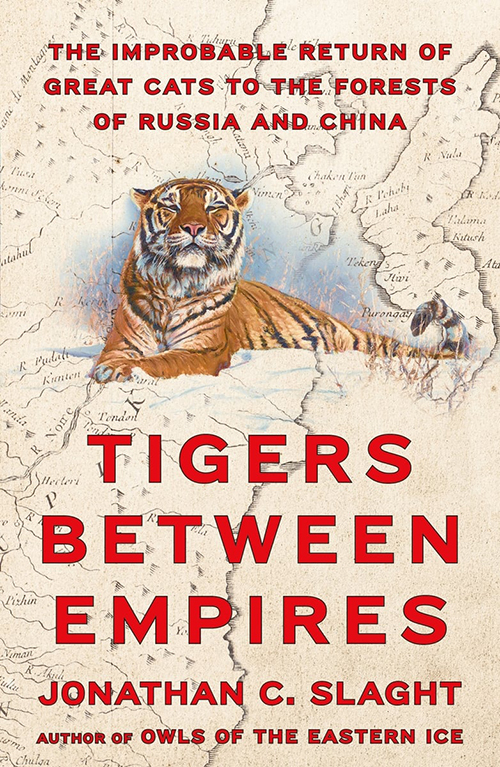
Only a few hundred tigers remain in the Amur River basin, a vast snowy forest in northeast Asia where these large predators cling to survival. After the fall of the Soviet Union, rampant poaching and logging pushed the Amur tiger to the brink of extinction, prompting scientists to launch the ambitious Siberian Tiger Project. Over three decades, they captured, studied, and released more than 114 tigers, meticulously documenting their lives — how they hunt, feed, fight, mate, and raise cubs in fiercely contested territory.
“Tigers Between Empires” offers far more than a portrait of the changing Amur forests and their great cats. It illuminates the dedicated researchers who risk their lives to study them, the complex history and politics of Siberia that shape conservation efforts, and the painstaking scientific work required to save a species from disappearing. This is a story of resilience —both the tigers’ and our own.
“It’s no secret at Fresh Energy that I’m a big fan of internationally-acclaimed (and local!) author Jonathan C. Slaght. I still find myself frequently recommending and gifting his 2020 book, ‘Owls of the Eastern Ice,’ a gripping narrative of his efforts to track Blakiston’s fish owl in far-flung Eastern Russia. This year, I was thrilled when I heard that he had a new book coming out that tells the conservation story of the Amur Tiger. I picked up my copy of ‘Tigers Between Empires’ and caught a Slaght giving a lecture and reading at the Museum of Russian Art in November.
“Slaght’s storytelling style from ‘Owls of the Eastern Ice’ (reviewed below!) returns in ‘Tigers Between Empires’ as he paints a stunningly clear picture of the groundbreaking, collaborative, and often dangerous research that happened along the Russia-China border to better understand and ultimately conserve the Amur Tiger (also known as the Siberian tiger). What I think makes this book extra special is that Slaght knows and traveled with many of the researcher-heroes whose story he is telling. Because of this, I almost felt like I was there, huddled around a campfire, shoulder-to-shoulder with these folks and hearing the story as they experienced it. Highly recommend!” – Jo Olson, chief communications officer
“Abundance” by Ezra Klein and Derek Thompson
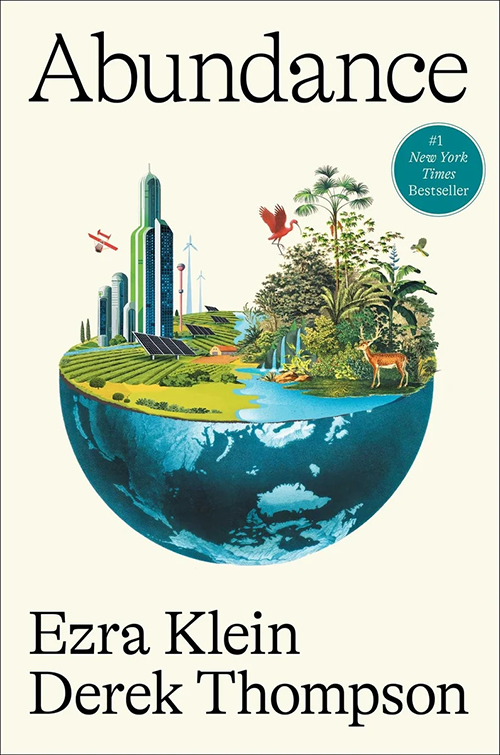
“Abundance” challenges public policy wonks to reimagine our political system to make the things we need — housing, energy, innovation — abundant, not scarce. Ezra Klein of The New York Times and Vox and Derek Thompson of The Atlantic argue that 20th century liberalism made it too hard to build things that we need to thrive. The energy transition will require us to build affordable and efficient housing, new transmission lines and clean energy projects, and reinvest in a cleaner transportation system; that will require a government that doesn’t just protect and preserve, but build, too.
”This was one of the buzziest books in the climate and clean energy space this year, so I had to check it out! And while Klein and Thompson’s abundance agenda undoubtedly oversimplifies very complex social, political, and environmental challenges, it does present good food for thought at a time when many in our community are going back to the drawing board as we seek to advance clean energy solutions in the face of significant federal headwinds. In the spirit of challenging ourselves to always keep evolving how we approach the work, “Abundance” is a good read, whether you agree that Klein and Thompson got it just right or not.” – Margaret Cherne-Hendrick, chief executive officer
“Extraction: The Frontiers of Green Capitalism” by Thea Riofrancos
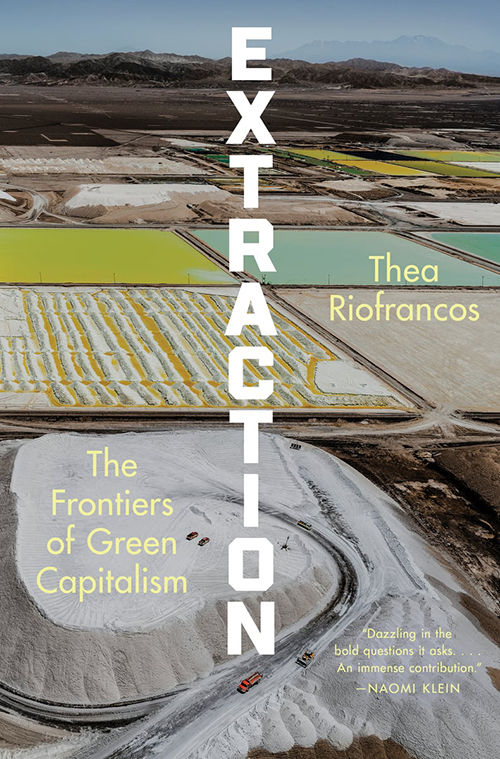
Lithium is an extremely important metal to the energy transition: a necessary component of the batteries that will power our clean energy future, from electric vehicles to utility-scale electricity storage systems. But mining it comes at an environmental and cultural cost. Thea Riofrancos travels to Chile’s Atacama Desert, Nevada’s Silver Pak Range, and Portugal’s Barroso Region to pull back the curtain on where critical minerals have been mined. In doing so, she explores how geopolitics, imperialism, and capitalism are all intertwined in our search for a cleaner energy system, challenging readers to confront our needs for climate action and social justice.
“Turns out there’s a reason hard problems are hard to solve. Take climate change: the simple solution is to electrify everything and power it with clean energy. But simple isn’t easy. The critical minerals required for our energy transition often come at an environmental and human cost, and a truly equitable energy transition has to grapple with destructive systems we’re trying to improve. This book is a challenging and important read to make sure we’re not only building a carbon-free economy but ensuring we are also addressing other harmful systems of imperialism and extractive destruction, too.” – Isak Kvam, senior associate, writer and editor
“The Lorax” by Dr. Seuss
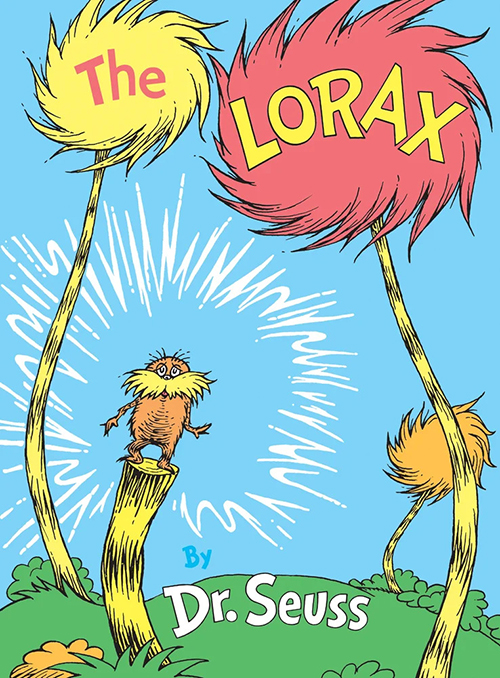
When the greedy entrepreneur Once-ler begins cutting down the beloved Truffula trees to sell garments known as Thneeds, the Lorax, a creature who speaks for the trees, arrives to disapprove of such wanton destruction. But as the Once-ler expands his business and cuts down more and more trees, the Lorax must leave to find a safer home for the animals of the forest. Leaving behind one word, “Unless,” the Lorax reminds us that “unless someone like you cares a whole awful lot, nothing is going to get better. It’s not.”
“Admittedly, this is a bit of a cliché recommendation, but a lot of my reading this year has been to my 8-month-old. He is obsessed with “The Lorax” and we end up reading it probably five or six times a day. He of course has no idea what is going on but seems to like the colors and the different voices. As an adult, it’s a nice reminder that caring about the world is important and can make a difference, even if you can’t solve everything.” – Will Mulhern, director, electricity
“The Lost Subways of North America: A Cartographic Guide to the Past, Present, and What Might Have Been” by Jake Berman
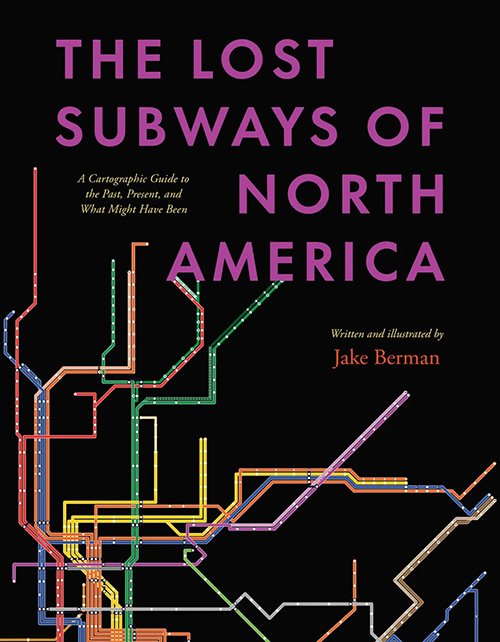
A great book for visual learners, “Lost Subways of North America” shares over a hundred original train network maps, archival research, and a study of U.S. transportation history to answer why our mass transit system is so inadequate. With an essay covering the urban mass transportation history of nearly two dozen American and Canadian cities, this book serves a great primer for everyone interested in urban development, mass transit, and how we might reimagine our transit systems to better meet our needs.
“This is a great book for anyone who, like me, is interested in urban planning, public transit, and maps. It’s an excellent coffee table book that uses detailed and imaginative maps to tell the stories of historic and present-day subway systems, alongside unrealized and envisioned ones, across North America. I find that it connects to our work at Fresh Energy by showing how infrastructure decisions shape cities and communities — and how forward-looking, informed planning can lead to better outcomes for people and the climate.” – Caitlin Eichten, director, building energy transition
“The Yellow House: A Memoir” by Sarah M. Broom
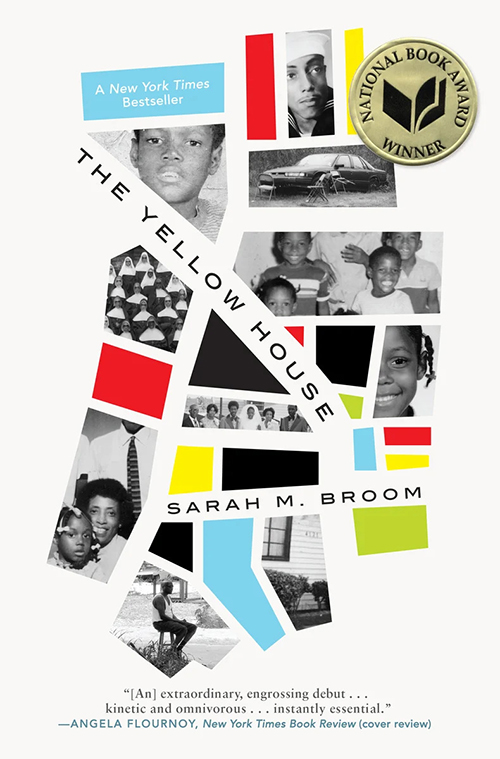
In “The Yellow House,” Sarah Broom chronicles a century of her family’s history and their shotgun house in New Orleans East, where her mother moved in 1961 in the age of progress, the Civil Rights Movement, and the Space Race to raise 12 children. As Broom dives into themes of love and place, race and inequality, she also examines the utter destruction Hurricane Katrina had on the city and its people, uncovering the city’s inequalities. Divided into four parts, this National Book Award-winning book is both a family study and a look at what it means to call a vanishing place home.
“’The Yellow House’ really moved me because it’s so deeply about one family and all the messiness of family over generations and how they were affected by tragedy. I kept thinking about how quietly the book shows the impact of bigger systems, just by staying close to everyday life and what’s at stake for people. So much of the media’s focus on Katrina was about the immediate moments, but this story reminded me of the much deeper and longer implications of catastrophic events. It made me reflect on climate and clean energy work; that at the core, it’s about protecting homes, families, communities, and the things people really care about.” – Kate Hudak, senior associate, human resources
“The Bee Sting” by Paul Murrays
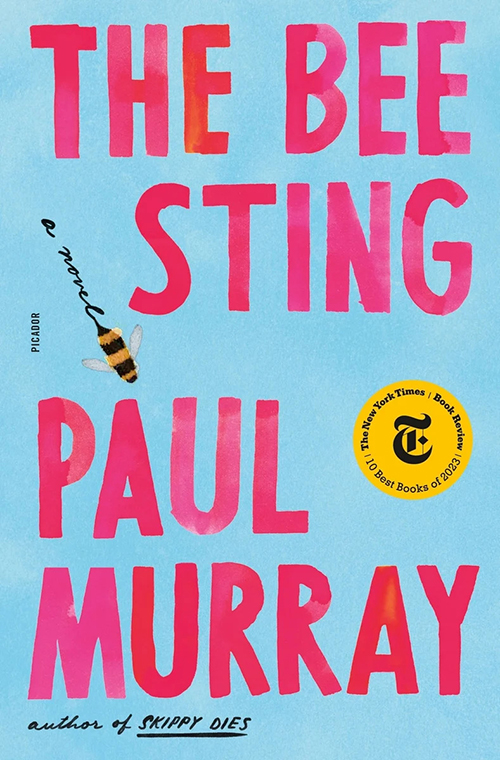
A funny and heartbreaking novel, “The Bee Sting” unveils a family in trouble: the father is building a bunker in the woods as his car business fails, the wife is selling her jewelry on the internet, and their teenage daughter is binge-drinking while their son contemplates how best to run away from it all. A tragicomic story that’s full of life shares how a dysfunctional family can weather life’s devastating challenges.
“This book was captivating and fun to read. It’s set around an Irish family that owns a car dealership and is dealing with financial struggles due in the aftermath of the Great Recession. The novel details the trials and tribulations of the family as they deal with each other’s secrets and traumas. The book is infused with the general anxiety of impending collapse (including climate-anxiety), but it is nonetheless often funny and heartwarming.” – Nick Haeg, senior associate, electric vehicles
“American Bulk: Essays on Excess” by Emily Mester
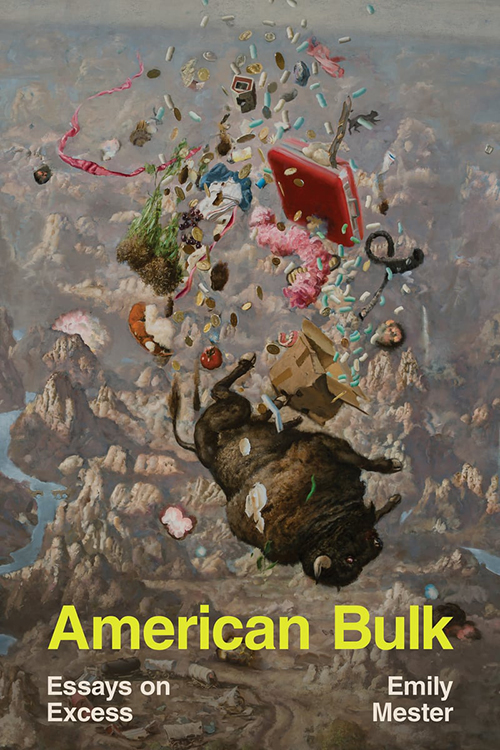
Across nine essays, Emily Mester examines our culture of buying, eating, amassing, and throwing away so many things, as well as the emotional spectrum it brings: the guilt of overshopping, the comfort of familiar food chains, and the melancholic nostalgia of being “mall sad.” With essays on diet culture, hoarding, and our callous consumerism, Mester weaves in her personal experiences attending a summer weight-loss camp and shopping the brightly-lit aisles of Costco and Ulta. This is a book that asks how we got so consumed with consuming, and what we’ve gained — and lost — in the process.
“This book is a collection of personal essays exploring the author’s difficult family dynamics particularly through the lens of her father’s addiction to online shopping and personal excess. While the main text focuses on Mester’s relationships and challenges, she expertly weaves in her growing understanding of the ways in which the striving lifestyle of the American middle class can do more harm than good — to the environment, families, and even the soul.” – Jenny Hoops, Fresh Energy supporter and digital publishing librarian
“The Starless Sea” by Erin Morgenstern
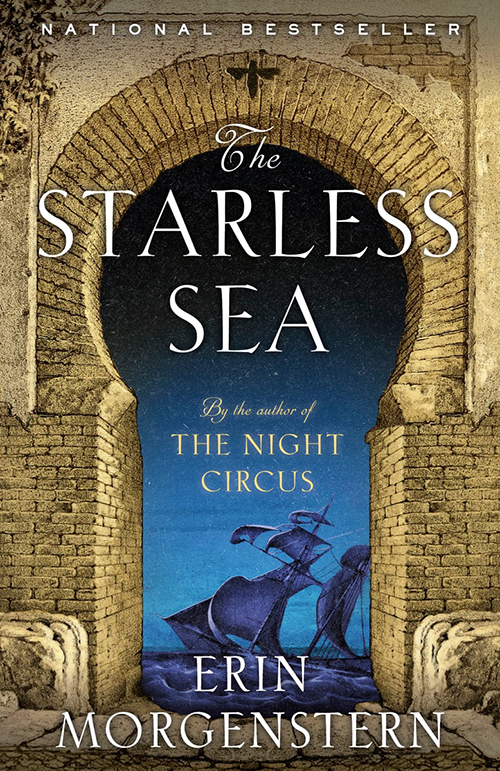
In “The Starless Sea,” Zachary Ezra Rawlins finds a mysterious book with impossible details about his own childhood. Following cryptic clues, he is led to an ancient underground library that preserves lived stories. Alongside friends Mirabel and Dorian, Zachary explores the hidden world, uncovers secrets from centuries past, and unravels connections about determinism, purpose, and the power our choices and stories hold. The structure of the book is labyrinthine itself, a collection of vignettes and throughlines that’s fulfilling when the pieces click into place.
“Having been a big fan of her debut ‘The Night Circus,’ I highly anticipated reading Erin Morgenstern’s second novel, a book about a young man who discovers a secret world of stories and books beneath his feet. Unfortunately, this secret world is at a crossroads, no longer the vibrant place of refuge it once was and being further diminished by a contingent of self-appointed guardians intent on ‘protecting’ it from outsiders. It’s about longing for a place that will never be what it was and learning how to let go in order to make room for what the future will bring you next.
“Full of myriad intriguing characters and interwoven threads, it is a book that captures the complex heartache that so many of us are grappling with our changing climate, while giving a sense of how to navigate it to find the beauty still possible on the other side.” – Anjali Bains, managing director, transportation
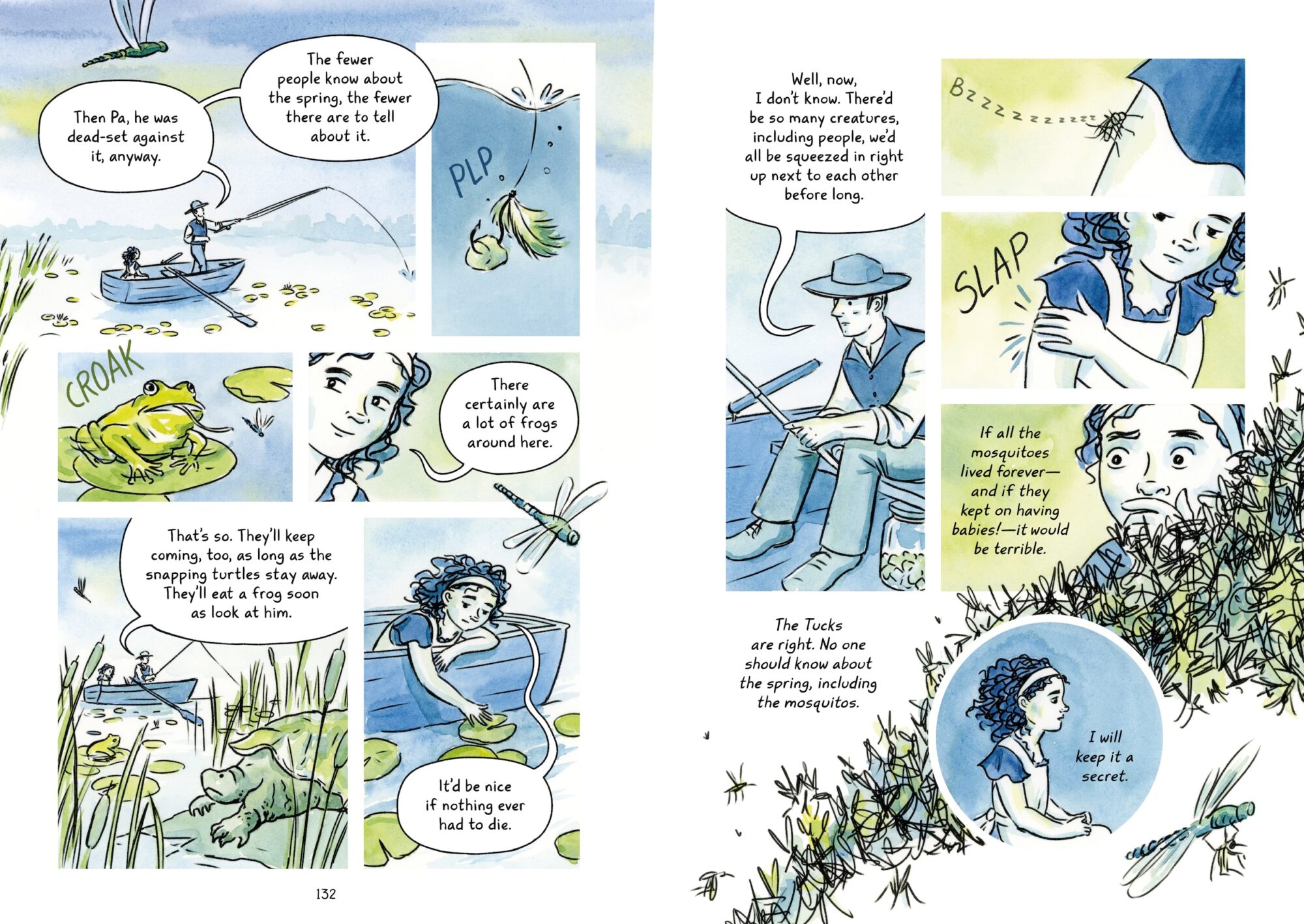
“Tuck Everlasting: The Graphic Novel” by Natalie Babbitt, Adapted and Illustrated by K. Woodman-Maynard
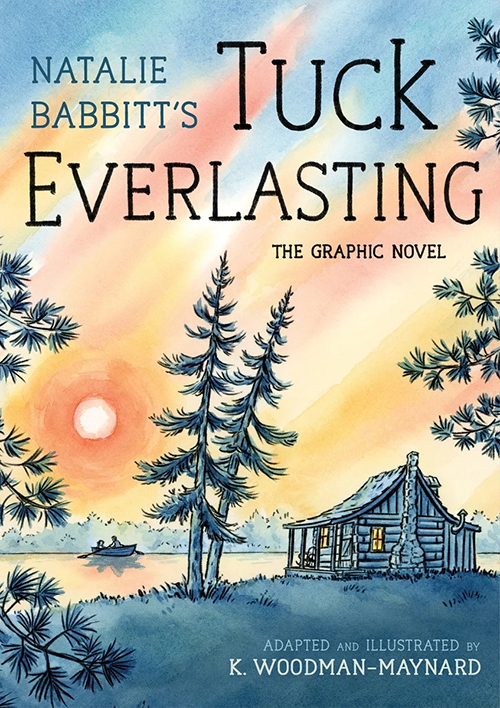
A classic children’s novel, “Tuck Everlasting” shares the story of Winnie Foster, a 10-year-old who longs for an adventurous escape from her proper, stifling family. When she discovers a hidden spring in the woods while exploring around her family’s home, she meets a boy named Jesse Tuck who claims drinking from the spring will grant immortality. When a mysterious stranger in a yellow suit arrives and asks questions about Tuck, Winnie is confronted with difficult questions of morality, desire, and purpose.
“Well, what can I say? First, there’s the fact that my wife, the amazing Katharine Woodman-Maynard, adapted and illustrated this graphic novel. But there’s also the fact that, true to the original, ‘Tuck Everlasting: The Graphic Novel’ challenges us to think about what the world would be like if nature was completely out of balance (imagine if mosquitoes never died), or what it might be like for humans to be inert as rocks instead of an active part of the circle of life. Through this story, we also share the protagonist’s choice — to disturb that balance or to help maintain it.
“The human species struggles to appreciate its (our) role in ensuring that nature maintains an appropriate balance between all things, and this story is a fantastic tale not only about what could happen if we defy nature, but also about the choices we must make to ensure nature, and life, continue on. – Mike Schowalter, director, regional transmission organization advocacy
“Station Eleven” by Emily St. John Mandel
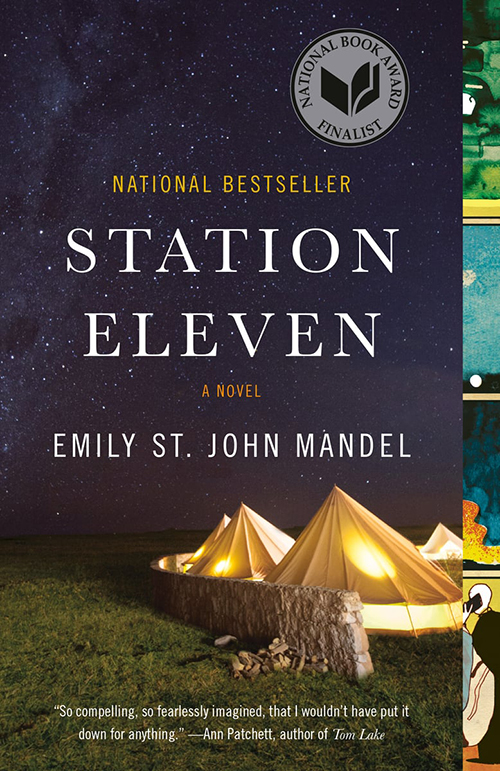
A troupe of Shakespearean performers travel through the dystopic Great Lakes landscape after a deadly influenza pandemic wiped out 90% of humanity, challenging survivors to not merely survive but thrive in the wake of societal collapse. The plot thickens when the troupe encounters a dangerous cult, while flashbacks gradually reveal the interconnected lives of characters before civilization fell. As our own climate catastrophe threatens communities’ well-being, Emily St. John Mandel’s “Station Eleven” raises an essential question: how can we best care for each other in times of violence and upheaval?
“I listened to ‘Station Eleven’ by Emily St. John Mandel and loved it! It’s definitely a climate book since it’s set in the post-apocalypse collapse, but I loved that it is more about what becomes of humanity: What choices people can make to survive, to build community and safety, and to keep the best of what makes us human, or to succumb to the worst of human instincts. It’s also showing us what we need to be paying attention to in the time we have now to prevent crises or prepare for it.“ – Janiece Watts, director, culture and partnerships
“Little Naturalists: The Adventures of John Muir” by Kate Coombs and Seth Lucas
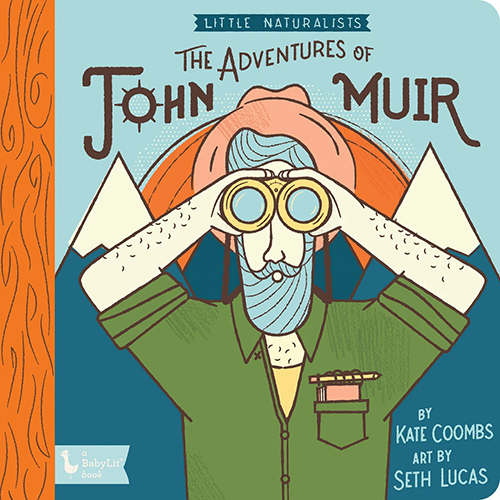
Perfect for kiddos age 0-3, this children’s book is all about American naturalist John Muir, the father of our national parks and lover of Yosemite National Park. With charming illustrations of the Sequoias and Redwoods and Muir’s love of the Sierra Nevada Mountains, this book is sure to thrill young nature enthusiasts.
“I love this book because it is a great introduction for kids to our national parks. I also didn’t know a lot about John Muir before reading, so it was fun for me to learn as well.” – Faith Mainor, director, major gifts
“I like this book because I can spell words and see nature in it.” – Faith’s five-year-old daughter Lucy
“Doppelganger: A Trip into the Mirror World” by Naomi Klein,
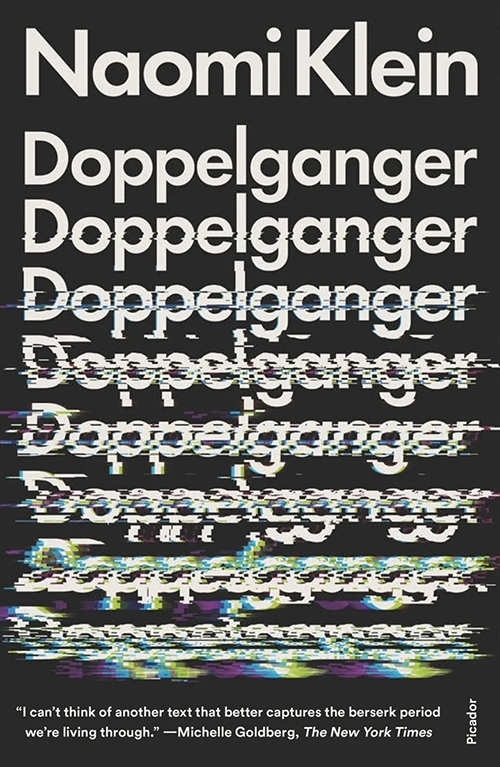
Naomi Klein, the acclaimed activist and author who delves into problems of capitalism in “No Logo” and “The Shock Doctrine,” found herself repeatedly confused online for Naomi Wolf, a prominent right-wing voice whom she shares little in common beyond a first name. The case of mistaken identity – her doppelganger – propels Klein into a deeper examination of 21st-century life: what’s lost when most of our communication is mediated (and misinterpreted) online, how AI-generated text and influencers across the political spectrum exploit our ever-shortened attention spans, and how this new media landscape warps our politics amid rising authoritarianism and the climate crisis. Klein is a sharp social critic who confronts the uncomfortable realities we’d often rather ignore, forcing us to reckon with the disorienting world we’ve found ourselves inhabiting.
“I really liked Naomi Klein’s ‘Doppelgänger’ because it talks about the social climate of politics, identity, and one’s own connection to reality that affects the environment of which we all live in. It’s wild and paints a picture of what this moment of history we’re experiencing is.“ – Janiece Watts, director, culture and partnerships
“Land of Milk and Honey” by C Pam Zhang
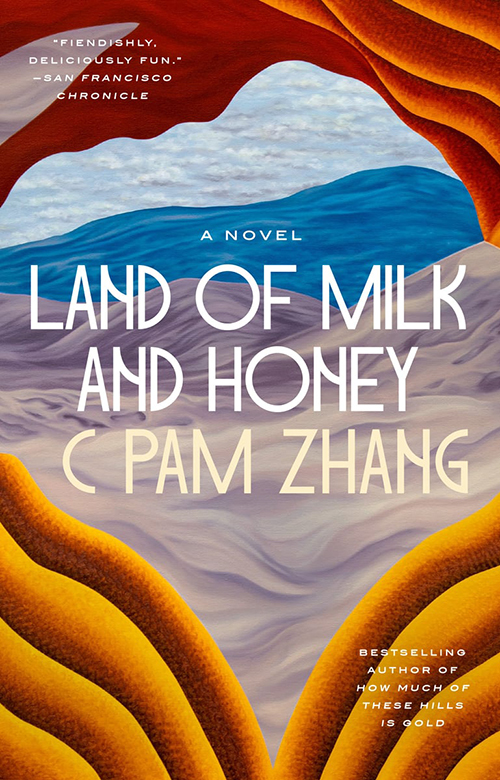
Literary fiction set in a world where smog has choked the planet, crops are rapidly disappearing, and fresh food is a rarity, “Land of Milk and Honey” follows a chef in London who receives an unexpected offer: a position at an exclusive mountaintop community in Italy, one of the last places on earth with sunshine and access to fresh ingredients. But this luxury comes with its own complications of privilege and power. Filled with lush, sensual prose, the novel traces the chef’s intoxicating relationship with her boss’ daughter in a setting where abundance only exists for the few. This is a story about desire, pleasure, and what we’re willing to sacrifice to satisfy our hunger when the world is starving.
“The book made me explore my own intersections with class as we navigate a changing world due to climate change. It also explores how extreme wealth and power can poison the thinking and problem-solving ability of people.” – Brynn Kirsling, director, legislative and grassroots advocacy
“The Burning Earth: An Environmental History of the Last 500 Years” by Sunil Amrith
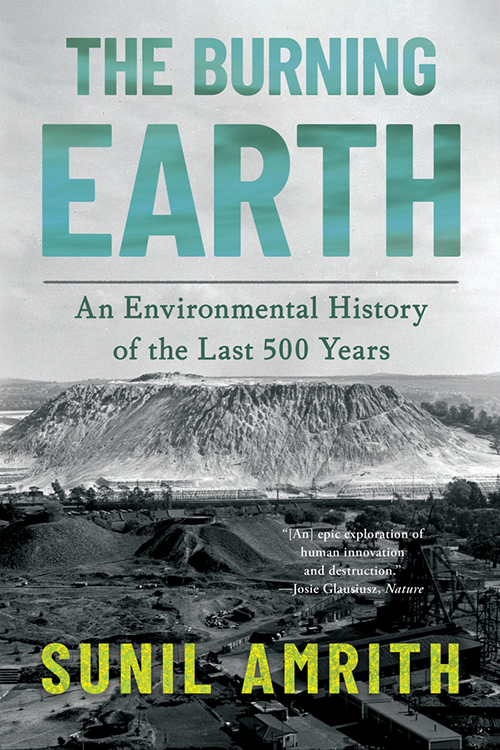
Historian Sunil Amrith writes a well-researched book of environment and empires, using primary resources to highlight how the forward march of “progress” for civilization has often come at an environmental cost. From the Spanish silver mines in Peru to British gold mines in South Africa and oil fields in Central Asia, Amrith draws on the natural resources we’ve long utilized to understand how our modern society has been built on environmental harm.
“Most histories on climate change, quite fairly, tend to start at the Industrial Revolution. Amrith takes on a new approach to history, looking centuries before the start of factories and mines, to the ways in which we began to permanently shape our world through agriculture and human organization. Don’t let the dry description dissuade you — this book has some truly heartrending anecdotes that make the ways in which we work with our environment grounded in reality and empathy!” – Jenny Hoops, Fresh Energy supporter and digital publishing librarian
“Owls of the Eastern Ice: A Quest to Find and Save the World’s Largest Owl” by Jonathan C. Slaght
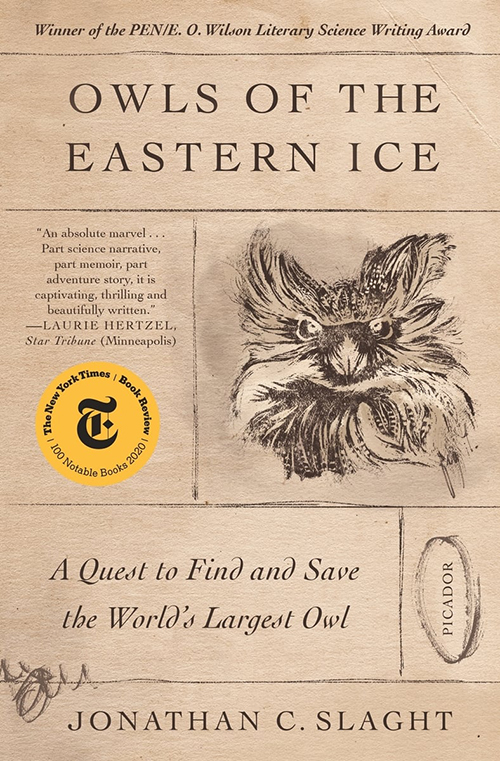
Minneapolis writer and scientist Jonathan Slaght heads to eastern Russia to study Blakiston’s fish owls, the largest owl species in the world, and their habitat threatened by climate change and human development. Slaght takes readers along his scientific study as he learns how to track the owls, how to set traps to capture them, and eventually consolidate his field research to create a plan to protect their habitat. Filled with gruff Russians, plenty of vodka, and long, beautiful descriptions of the cold, snowy wilderness, this is a perfect book for scientists, birders, and anyone who loves beautiful descriptions of nature and the people trying to protect it.
“This was one of my top three books of the year, and it’s not just because I’m a birder. I love snowy, winter books that make your hands cold just holding them. But what makes this book so good is Slaght’s keen observations of the Russian strangers he befriends, the level of care and respect he has for the owls he’s studying, and the toiling that goes into scientific field research. Despite all the hard and uncomfortable work of winter surveying, I still found myself daydreaming about upheaving my life to go stare at owls for a year.” – Isak Kvam, senior associate, writer and editor
“The Unworthy” by Agustina Bazterrica
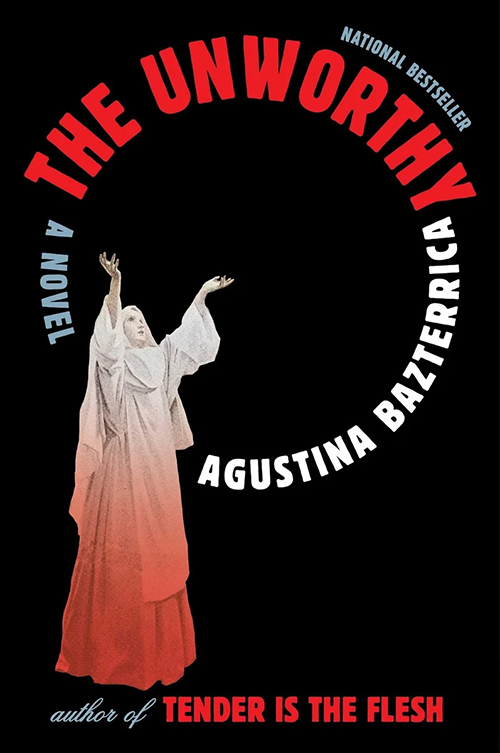
From the writer of “Tender is the Flesh,” “The Unworthy” is a chilling book of literary horror that follows a woman in the lower ranks of an isolated convent set in a dystopic world of climate catastrophe. When an unknown nun arrives from the surrounding barren landscape, the social hierarchy of the convent unravels as Bazterrica explores themes of submission, violence, and complicity amid body horror, social commentary, and an ugly look at what lurks beneath the stones we’d rather leave unturned.
“The description for this book had me at ‘feminist horror.’ Agustina Bazterrica is an Argentinian author, and her latest book, ‘The Unworthy,’ drops you mid-story into a dystopian world post climate-catastrophe. This book doesn’t make anything easy, and the reader finds themselves putting together the pieces of what might have happened to the world and the protagonist.
“Originally written in Spanish, this book is translated beautifully and almost reads like a song. Themes of hope and togetherness come through in this extremely dark and gruesome novel that isn’t for children or the light of heart.” – Jo Olson, chief communications officer
“Wounds into Wisdom: Healing Intergenerational Jewish Trauma” by Rabbi Tirzah Firestone, PhD
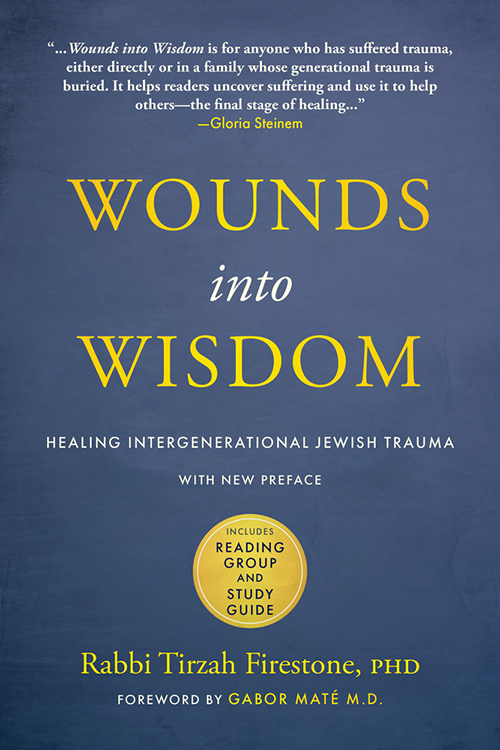
Rabbi Tirzah Firestone explores how the painful histories and cultural wisdom of our ancestors are passed down to and through us, affecting our relationships, desires, and the lens in which we perceive our world. Pairing the stories of Holocaust survivors, terror victims, and others whose lives have been upended by violence and persecution with neurological and psychological insights with Jewish teachings to uncover how historic injuries live on in bodies and minds. More than a diagnosis of inherited pain, this book offers practical tools for healing and transformation, guiding readers toward living full, meaningful lives in a world that can feel broken and unjust.
“Climate change and its impact is a generational concern and understanding how to turn a dark narrative into an individual/collective opportunity for more inclusion is a hopeful path. I have been interested in how a trauma-informed organization could become a truer reflection of their mission and purpose.
“Rabbi Firestone’s book is an exploration of how trauma gets passed down through the generations using her background in the Jewish community. It draws from her personal as well as communal experience. The nugget for me is how trauma is a narrative which, when we decide to become our own active agent of change, could be retold through the lens of hope leading to ‘post-traumatic growth’ rather than PTSD — which is certainly relevant for climate work, too.” – Mat Larson Krisetya, chief operations officer
“The Mistborn Trilogy” by Brandon Sanderson
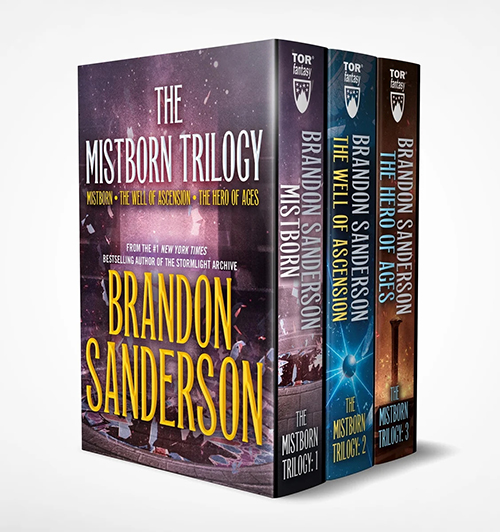
A titanic fantasy epic, Brandon Sanderson’s “Mistborn” follows the enslaved Skaa people as they dare to challenge a dystopian empire ruled by the seemingly immortal Lord Ruler, who’s maintained absolute power for a thousand years. The story centers on Kelsier, a charismatic rebel who discovers he possess the rare powers of a Mistborn – a master of allomancy. Assembling a crew of elite allomancers, he plots a cunning heist to topple the regime from within. With an intricate magic system, high-stakes rebellion, and unforgettable characters, this modern fantasy classic is one of the genre’s all-time best.
“A fun fantasy series with great character study and magic worldbuilding that also examines the way extreme greed can damage the world and people who live in it. Plus, the atmosphere of ash and smoke reminded me of how altered summer has become in a warming world.” – Brynn Kirsling, director, legislative and grassroots advocacy
“Drive Your Plow Over the Bones of the Dead” by Olga Tokarczuk, translated by Antonia Lloyd-Jones
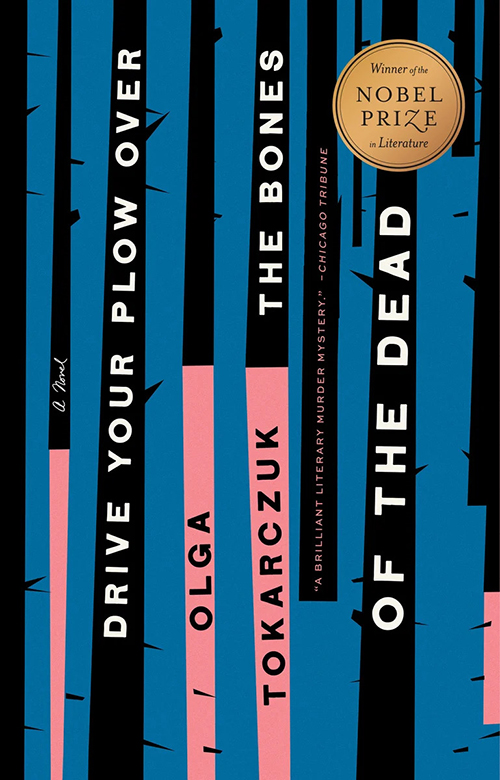
Janina, an eccentric woman who studies astrology and William Blake while caretaking the vacation homes of wealthy absentee owners – lives a quiet life in a remote Polish village until a neighbor’s death casts many under suspicion. As more bodies are found in unusual circumstances, Janina becomes determined to uncover the truth of the deaths amid strange theories from villagers. Part mystery, part thriller, part philosophical fable, Olga Tokarczuk’s “Drive Your Plow Over the Bones of the Dead” has earned its place on the New York Times’ 100 Best books of the 21st Century and Tokarczuk’s 2018 Nobel Prize in Literature.
“This murder mystery novel — told from the perspective of an eccentric loner woodswoman in Poland, investigating a series of strange, possibly animal-caused deaths in her village — hits great notes. The revenge of nature, how we treat the vulnerable amount us, and more!” – Jenny Hoops, Fresh Energy supporter and digital publishing librarian
“Wild Dark Shore” by Charlotte McConaghy
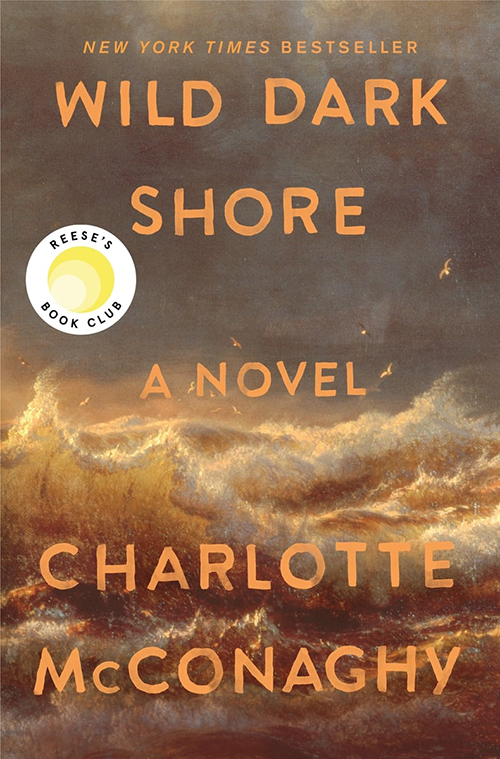
Dominic Salt and his three children are the caretakers of Shearwater, a tiny, remote island near Antarctica that houses a climate laboratory and seed bank to preserve humanity’s most important plants. But as rising sea levels threaten to swallow the island entirely, the family is shutting down the facility and preparing to leave for good when a mysterious woman washes ashore. After she recovers, the Salts grow deeply suspicious of Rowan – how did she end up on the isolated island, and what does she really want? Rowan, meanwhile, discovers unsettling secrets: sabotaged radios and a freshly dug grave. As a catastrophic storm bears down on Shearwater, Rowan and the family must work together to salvage as many precious seeds as possible and evacuate before it’s too late, even though neither side knows if they can trust the other.
“I’m a sucker for Charlotte McConaghy’s books, which usually weave dark romance and murder into isolated natural settings. When a woman washes ashore on a remote island – once home to a community of climate scientists, now nearly abandoned as the rising ocean swallows it whole – the island’s last caretaker and his family have been preparing to leave the deserted island for good. The book opens like a wave of amnesia, leaving the reader to piece together lies, deceptions, and intentions about the characters’ mysterious pasts. I remember themes of finding purpose, love, and a meaning in a world that’s taken – and continues to take – so much of what we cherish away.” – Isak Kvam, senior associate, writer and editor
“The Overstory” by Richard Powers
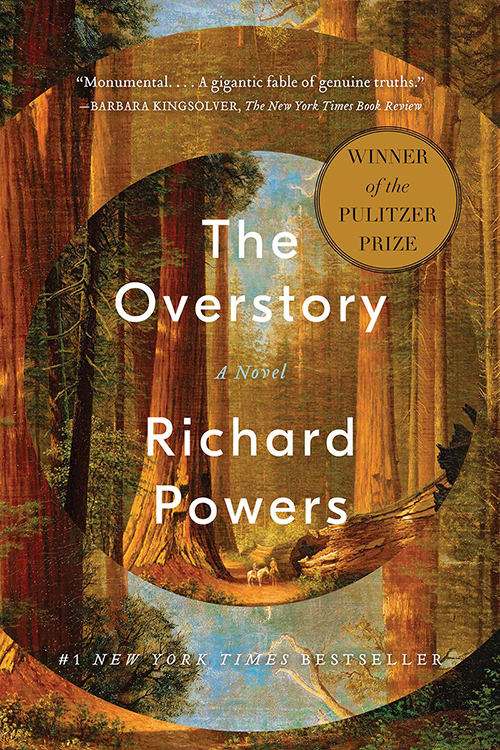
This thick novel won the 2019 Pulitzer Prize and weaves together nine different characters that are all profoundly connected to trees and forests. The narrative explores each character’s unique background and eventually coalesces around them, forming a community of environmental activism with differing beliefs on how to best advocate for ecological interconnectedness and impact on the environment.
“’The Overstory’ follows several very different people whose lives end up intersecting in unexpected ways, all tied together by trees. What I loved was how the trees are always there in the background, quietly connecting stories that don’t seem related at first. I loved reading about the trees as much as I enjoyed the character development. The book did get a bit far out at times, and I’m not sure I truly grasped it all — might have to read again! By the end, it left me thinking about the passing of time, my responsibility on this planet. It’s not for everyone, but I really liked it.” – Kate Hudak, senior associate, human resources
Read Isak’s review of The Overstory in our 2024 climate book round-up.
Forthcoming books we’re excited to read in 2026
“Vigil” by George Saunders | Publication Date: January 27, 2026
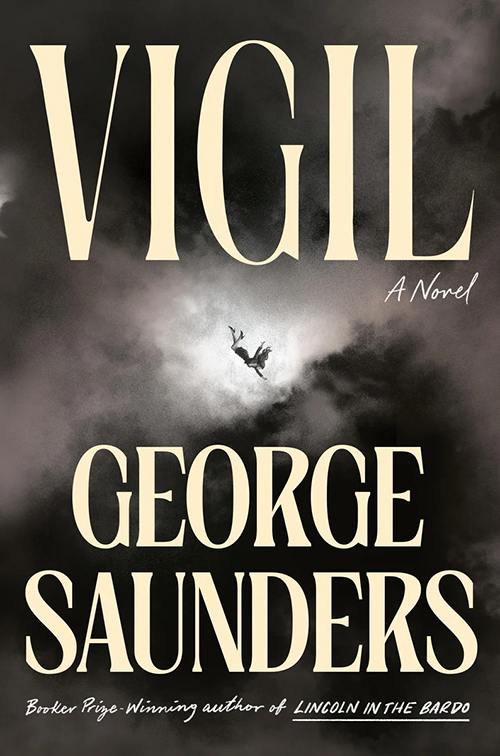
After Jill’s death, she’s returned to earth 343 times to usher others into the afterlife, a sacred duty that usually entails comforting people in their final moments. But this time is different: the dying K. J. Boone, an oil company CEO, needs no consolation, because he has nothing to regret. He’s lived a full life, and the world is better for it; surely no apologies are necessary. And as visitors alive and dead come to reckon with Boone and his legacy in his last time on earth, George Saunders explores issues of corporate greed, capitalism, and climate change.
“This sounds like ‘A Christmas Carol’ but make it a dying oil billionaire. Saunders’ ‘Lincoln in the Bardo’ wasn‘t for me, but I do think a lot about the people profiting off climate change, and even more so about the people spreading fossil fuel propaganda and climate denial. I try to understand their worldview, but I don’t have a lot of sympathy for making money off lies that make the world worse. I’m not sure if this book will expand my empathy or play to self-righteousness, but Saunders is a well-regarded American writer, so I’m sure if anyone’s up to the task, it’s him.” – Isak Kvam, senior associate, writer and editor
“Clearing the Air: A Hopeful Guide to Solving Climate Change in 50 Questions and Answers” by Hannah Ritchie | Publication Date: February 17, 2026
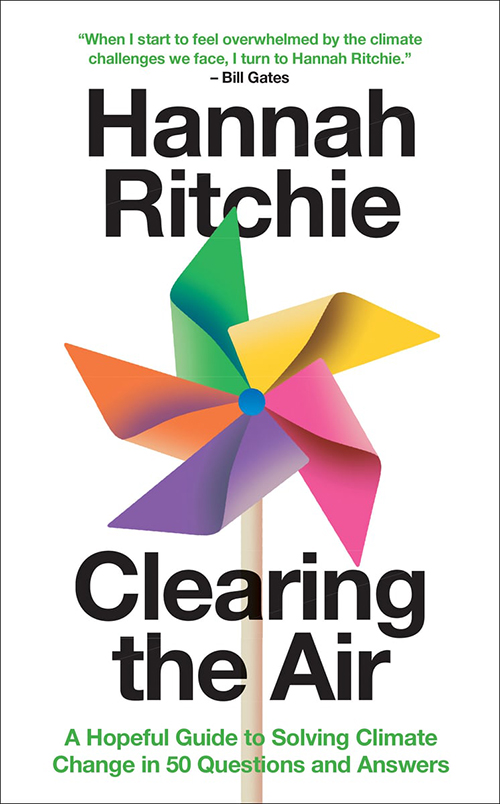
Hannah Ritchie, author of “Not the End of the World: How We Can Be the First Generation to Build a Sustainable Planet,” is back to clear up public understanding of climate change so we can get settled on the science and begin taking action to fix it. Using simple, clear language with a hopeful, optimistic tone, Ritchie will help readers understand how we got here and where we need to create a better, more sustainable world for ourselves and future generations.
“I have greatly valued Hannah Ritchie’s clear explanations. Ritchie is a trusted data scientist who tells readers how we can take action to fix things equitably and make big reductions in greenhouse gases. She also knows the huge value of collective action. Fresh Energy agrees and encourages you to turn to Fresh Energy for which collective actions in Minnesota will make the biggest difference.” – J. Drake Hamilton, managing director, science policy
“The Powerful Primate: How Controlling Energy Enabled Us to Build Civilization” by Roland Ennos | Publication Date: February 17, 2026
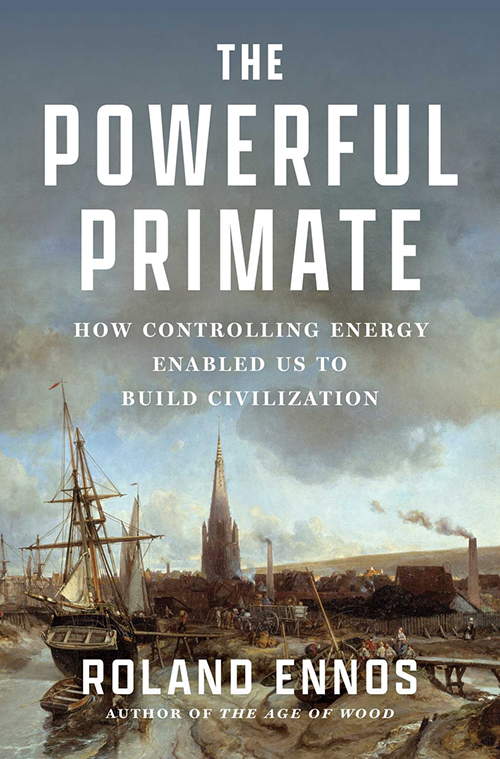
In “The Powerful Primate,” Richard Ennos makes the argument that our physical power and engineering abilities have set us apart from other animals more than our intellectual abilities. Thus, Ennos provides a history of how humans have harnessed energy sources – wood, animals, water, wind, sun, fossil fuels, and atomic nuclei – to become the most powerful species on earth with complex agricultural and industrial systems that make modern civilization possible. But this power comes with environmental and societal costs. Weaving anthropology with history, Ennos shares how we got here and what might be next.
“I’m in my stereotypical dude-in-his-30s-reading-quite-a-lot-of-history era, so why not throw in a book going deep into how energy has shaped our lives. I recommended an LBJ biography last year — a stretch for a climate book, perhaps — based on Caro’s in-depth chapter about how rural electrification dramatically changed people’s lives. (Seriously, do you know how much work doing laundry used to be? I haven’t complained about it since.) I digress; this book sounds like it might scratch a same-but-different itch to learn how energy has shaped our everyday lives.” – Isak Kvam, senior associate, writer and editor
“Earth 7” by Deb Dlin Unferth | Publication Date: June 9, 2026
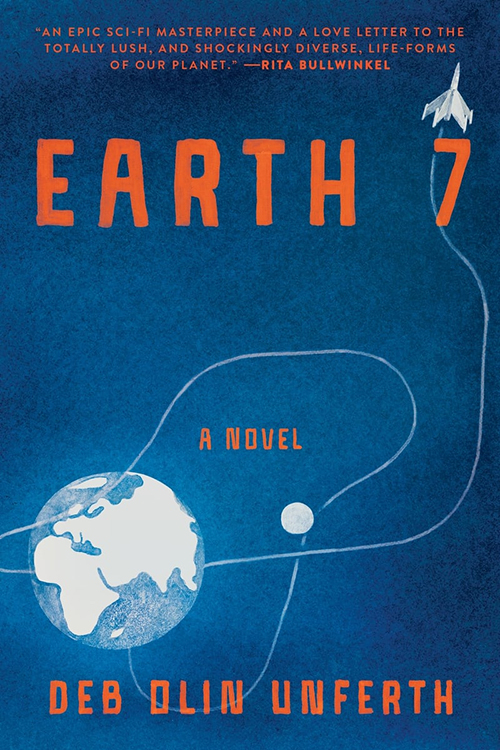
Earth has been reduced to not much more than a piece of burnt coal. But when two women meet on a beach – one raised in a pod in the ocean, and the other maybe a robot – their love to each other and earth lead them to construct a new type of human to make a new type of earth. A short book with big ideas, “Earth 7” shares that life and love can persist in inhospitable places.
“I read Kim Stanley Robinson’s book ‘Aurora’ a decade ago, and its ending (no spoilers) made me curious for a story just like this: when humanity has trashed earth and is setting up colonies somewhere else in space, where does that leave the survivors on earth that don’t want to leave?
“To build a better world, you first have to be able to imagine it. Speculative fiction like this can challenge us to imagine how we can restore our relationship to the natural world, find meaningful work with others we love, and leave this place better than we found it.” – Isak Kvam, senior associate, writer and editor
“End Times Fascism: And the Fight for the Living World” by Naomi Klein and Astra Taylor | Publication Date: September 15, 2026
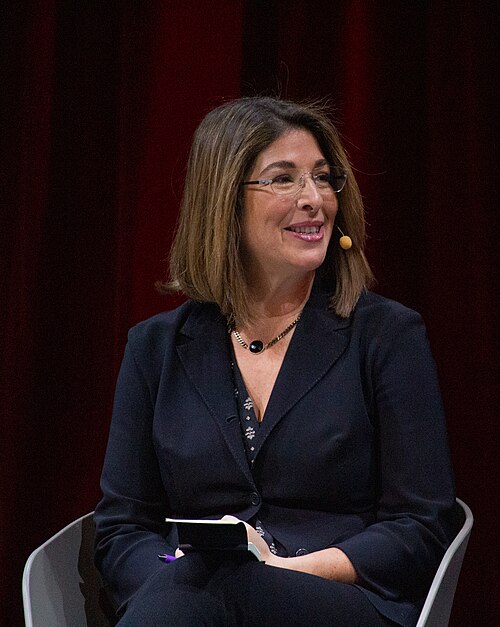
As climate change pushes our world into ecological catastrophe, far-right politics has morphed into a dangerous new iteration that unites religious fundamentalists, tech billionaires, and ethno-nationalists — groups that, despite their apparent differences, share a chilling common vision. In “End Times Fascism,” Klein and Taylor investigate this ideology that seeks not to prevent climate disaster but profit from it. Drawing on original reporting and incisive analysis, Klein and Taylor expose how these movements are intertwined, revealing an authoritarian future they’re building while the rest of us fight to prevent climate collapse.
“Naomi Klein has been exposing the cracks in our society for decades while never losing sense of our collective agency to bring about positive change. Given the rapid erosion of our democratic institutions and community connection, her new book could not come at a better time. I’m looking forward to netter understanding the state we’re in, how we got here and what can help get us through it.” – Anjali Bains, managing director, transportation