
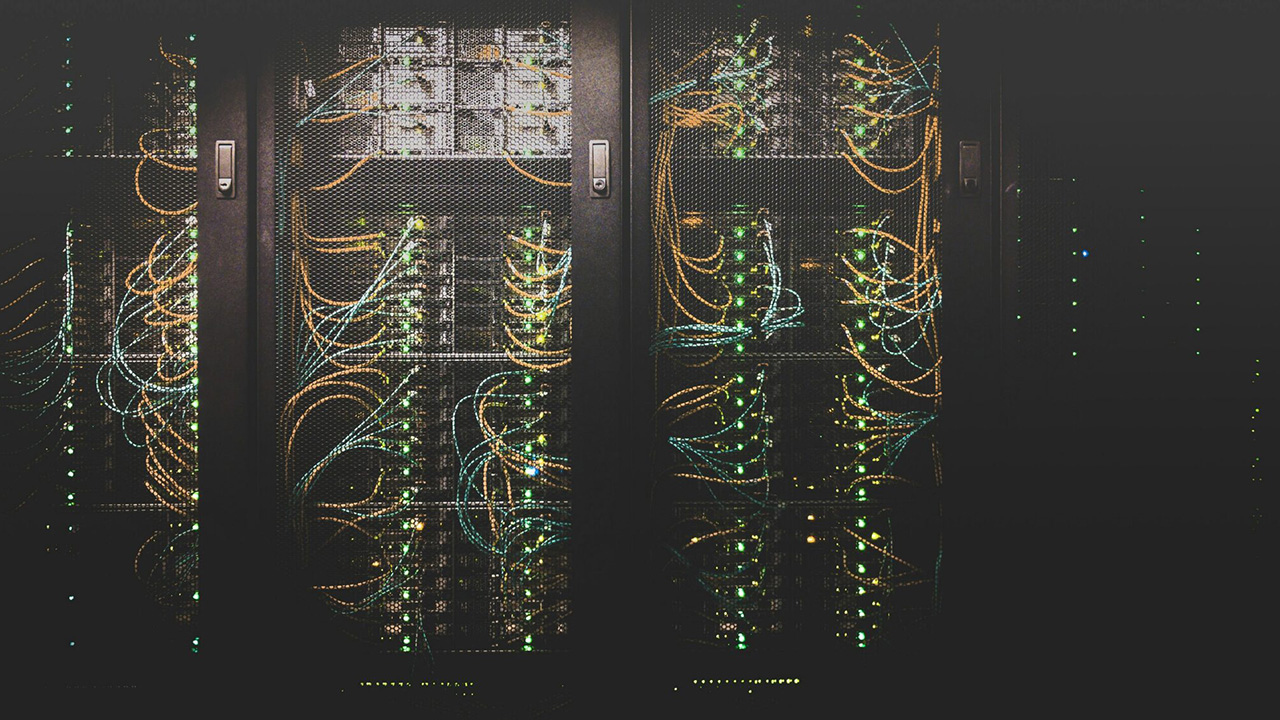
Data centers are a hot-button issue in Minnesota and across the country right now. People are justified in their concerns: as hyperscale data centers are built to power AI, Minnesotans are right to question how they might affect our state. Will they set back our climate progress? Will they drive up electric bills? Will they threaten our state’s natural resources?
Fresh Energy is working to equitably decarbonize Minnesota by mid-century. We think Minnesotans deserve a better clean energy future where everyone can thrive, and we’ve worked hard for nearly 35 years to advocate for Minnesota to set and meet strong climate targets. Data centers will have a big impact on our transition to a clean energy economy.
There’s a lot of information swirling around. Here are three things Minnesotans should know about data centers in Minnesota:
Data centers must use clean energy in Minnesota
Data centers use a lot of electricity. It’s important for them to use clean energy so they don’t set back the great progress Minnesota has made in reducing electricity emissions.
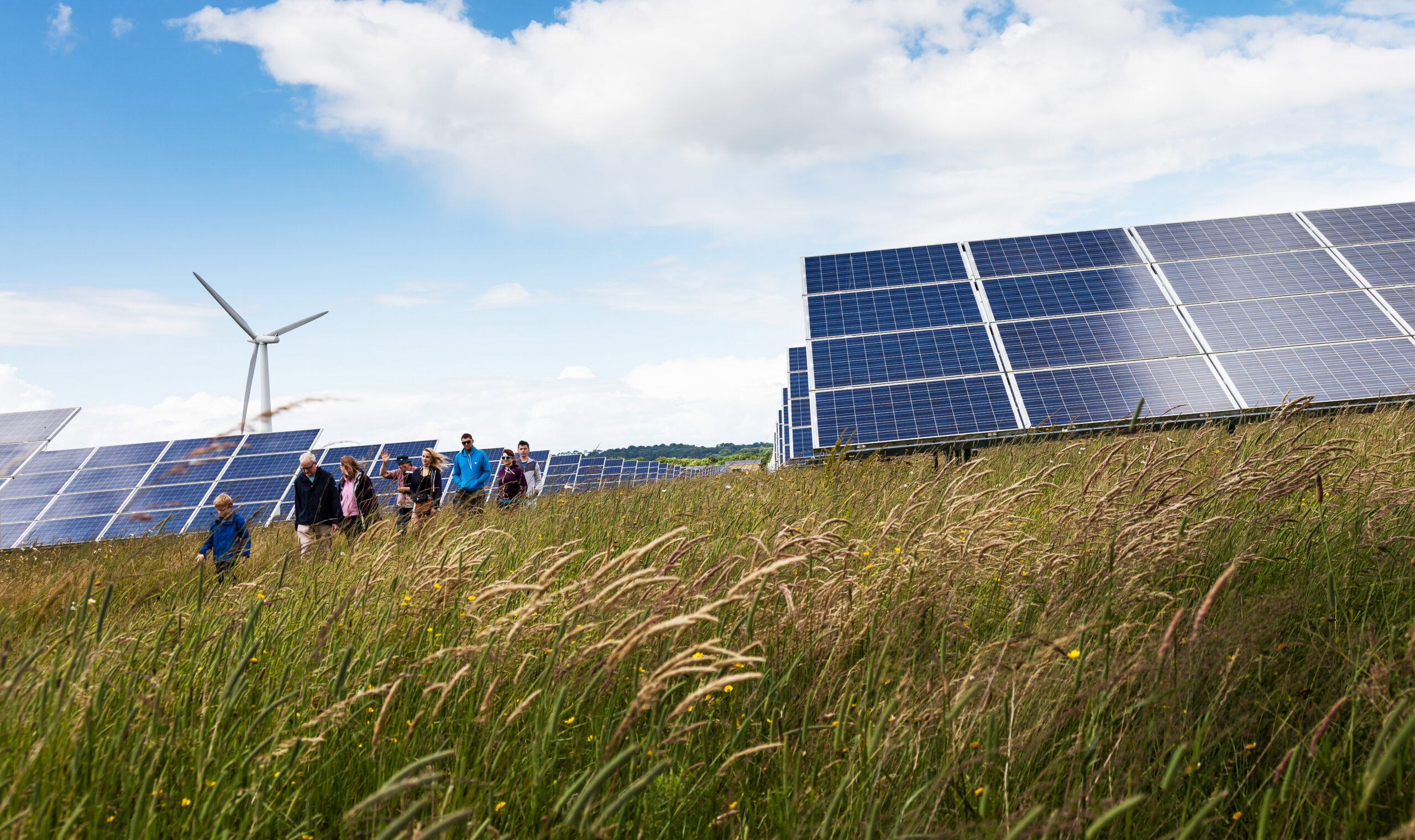
While other states have seen data centers linked to proposals for new large gas plants and off-grid diesel and gas-powered generators, Minnesota data centers will have to comply with our state’s 100% clean electricity by 2040 law. That means they’ll mostly be powered with wind, solar, battery storage, and demand response programs, and they could also provide opportunities to pilot other new clean technologies.
If a data center proposal includes building its own electricity generation off the grid, it would still need approval from Minnesota regulators like the Minnesota Public Utilities Commission, which has a pretty good track record for handling complex challenges: they’ve helped Minnesota decarbonize half of its electricity system while keeping our electric bills affordable.
Done well, data centers can help to scale new clean technologies we need for a clean electrical grid. For example, battery technology is rapidly improving, which helps us use more clean energy more often. As data centers invest in better batteries, they help to scale clean technology, making it more affordable and less risky for all.
Minnesota has set a good foundation to make sure data centers don’t set back our climate progress. We think current law sets the floor, not the ceiling, for how data centers built in Minnesota must help, not hinder, our transition to clean energy. Data centers must invest in new clean technologies, like better batteries, that will help to scale and de-risk them so we can all benefit from a cleaner, more affordable grid.
Minnesotans won’t be stuck paying data centers’ electricity bills
Data centers already have to pay their fair share for their electricity use, including if they need new poles, wires, substations, or electricity generators to be built. That’s because Minnesota passed a forward-looking data center policy package in 2025, which Fresh Energy supported. It requires data centers to pay the full costs of any electricity infrastructure upgrades they need, not commercial or residential customers like you and me.
But, it’s important that Minnesotans not be indirectly impacted by data centers either. While data centers have to pay for their own infrastructure, they could still have indirect impacts on electricity prices. By causing a higher demand for electricity, they could raise the price of wholesale electricity prices in the regional market. But they could also help to lower prices by paying a higher share of our grid’s fixed costs, which would indirectly benefit Minnesotans. For example, North Dakota’s electricity rates have stayed low in recent years because new large load users have paid more of those fixed costs.
It’s good that Minnesota has already passed a law that will ensure data centers pay their fair share of electricity costs. Regulators must keep a close eye on them to ensure they don’t indirectly raise rates for Minnesotans, too. The Public Utilities Commission must use its rate design and Integrated Resource Plan processes to advance best practices for large load tariffs and large load forecasting to keep prices lower.
Data centers must pilot new clean technologies like clean heat, too
Data centers can help Minnesota’s clean energy transition not only by investing in clean energy, but by investing in clean heat technology, too.
Here’s the idea: data centers produce a lot of waste heat when they cool their servers. That’s an opportunity for Minnesota to reduce its greenhouse gas emissions. Instead of letting this heat go to waste, it could instead be captured and distributed to the local community as a clean heat source.
Burning fossil fuels to heat our homes and buildings is one of the fastest-growing sources of greenhouse gas emissions in Minnesota. Several communities across Minnesota already capture industrial waste heat and use it to heat their local homes and businesses. By capturing it from data centers powered by clean energy, we have an opportunity to heat more of our buildings with clean heat instead.
For data centers to advance Minnesota’s clean energy transition, they must not only help to scale clean electricity technology, but clean heating technology, too. They must work with state regulators, local governments, and stakeholders to ensure that local communities can benefit from clean heat.
What’s next?
Fresh Energy’s mission is to shape and drive bold policy solutions to achieve equitable carbon-neutral economies. We’re speeding Minnesota’s transition to a clean energy economy, and we know that data centers must help, not hinder, our switch to clean energy.
We’ve written a blog post and a white paper about how data centers must comply with Minnesota’s clean energy transition. We approach new technologies with a long-term perspective, considering how they will impact Minnesotans and our clean energy transition in 10, 20, and 50 years. We think Minnesota’s regulators have a good track record in ensuring Minnesotans have access to clean, affordable, and reliable energy.
You can count on us to continue to work with the Minnesota Legislature, the Minnesota Public Utilities Commission, and engage with electric utilities and stakeholders to ensure data centers don’t hinder our clean energy transition or burden Minnesotans with higher electricity costs.