
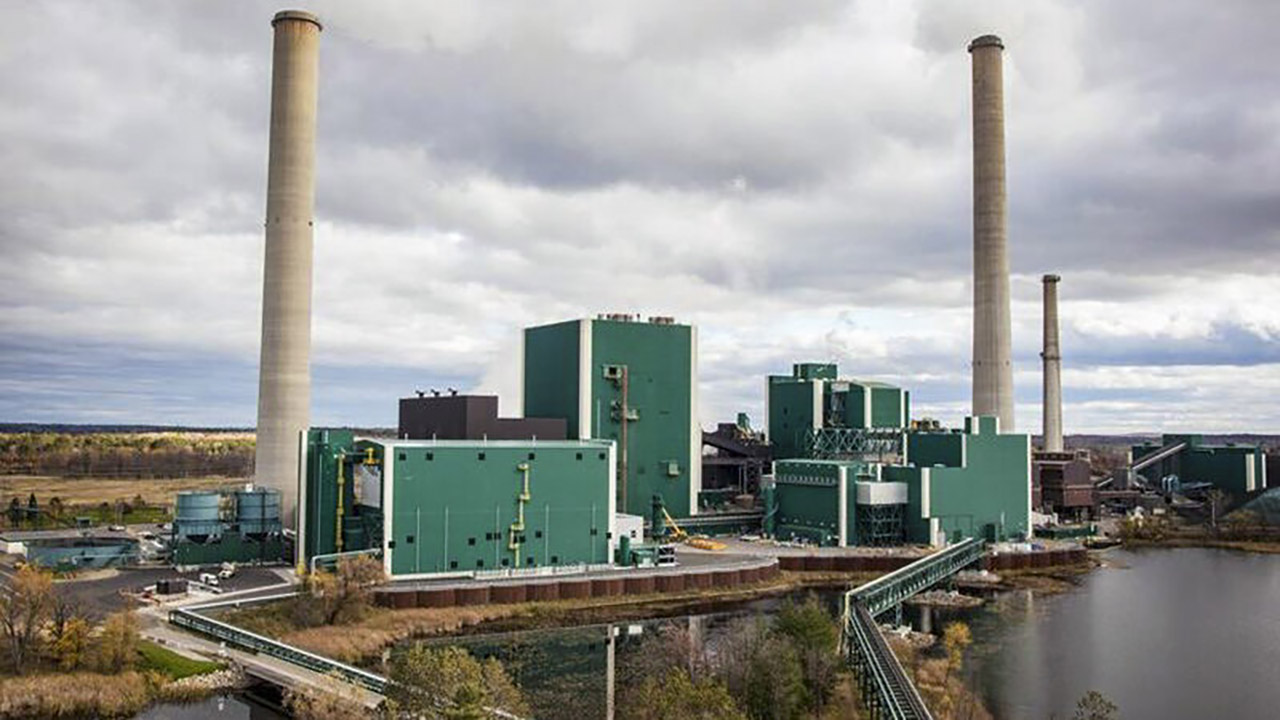
Update: On September 10, 2026, the Minnesota Public Utilities Commission (PUC, or Commission) rejected Minnesota Power’s request to build a large, 750-megawatt gas plant and ordered the utility to consider alternatives, which was recommended based on expert modeling and analysis performed by Fresh Energy and our Clean Energy Organization (CEO) partners. This large gas plant would have locked Minnesota Power into gas for more than 30 years and would have come online just five years before Minnesota’s 2040 carbon-free deadline.
In addition to this significant win for clean energy and adherence to Minnesota’s 100% clean electricity law, the Commission also ordered Minnesota Power to procure 600 megawatts of carbon-free resources by 2030, as advocated for by the CEOs, doubling both the battery storage and wind in Minnesota Power’s original plan. Beyond this, the utility must add 100 megawatts of demand response by 2028 and develop 100 to 150 megawatts via new customer programs by 2030. Another significant win is the Commission’s requirement to provide additional transparency around forecasting of large loads in Minnesota Power’s service territory, which is something Fresh Energy advocated for in our data center white paper and aligns with our organizational principles on data center development in Minnesota.
The Commission also ordered Minnesota Power to complete an identified transmission upgrade needed to retire the biomass-burning Hibbard plant in Duluth and evaluate resource impacts of a Hibbard retirement in its next IRP.
The order also requires the utility to take steps to improve supplier and workforce diversity – both critical steps for an equitable clean energy transition that benefits and creates opportunities for Minnesotans. And in a win for electric vehicle drivers, the utility must now also estimate the proportion of electric vehicle charging that will occur off-peak due to its time-of-use rate and other charging programs and discuss impacts in future IRP.
We also appreciate that the Commission ordered a qualified third party to investigate the potential of converting it from coal to gas. This is a substantially cheaper option to replace retiring coal capacity than constructing a new combined cycle gas plant (as Minnesota Power originally proposed). While this would not be an ideal scenario, our modeling showed a portfolio constructed around a converted Boswell Unit 4 would have substantially lower emissions than one with a combined cycle gas plant and would preserve optionality for new technologies to come online closer to 2040.
Fresh Energy and the CEOs are celebrating this strong outcome in Minnesota Power’s first IRP after the utility’s acquisition in 2025. Fresh Energy is deeply committed to continuing to engage in Minnesota Power’s resource planning and other proceedings that will chart the clean energy transition across its service territory, including electric service agreements and beyond.
In a nutshell:
– Minnesota Power is proposing a 750-megawatt, combined cycle natural gas plant in its long-range electricity plan
– Expert modelling commissioned by Fresh Energy and partners finds no new natural gas is needed in the planning period; Minnesota Power should instead build more wind, solar, storage, and demand response, and convert the Boswell coal plant to natural gas until its retirement in 2040
– Fresh Energy and partners recommend retiring the Hibbard biomass plant by 2030 and invest in transmission, thermal battery project
Fresh Energy is committed to ensuring Minnesota’s economy is carbon-free by midcentury. Our state’s electricity sector, once the largest source of greenhouse gas (GHG) emissions in the state, is now over halfway decarbonized thanks to policies like Minnesota’s 100% clean electricity by 2040 law that’s directed electric utilities to invest in clean energy like wind, solar, and battery storage. Our latest analysis finds that Minnesota Power, one of the state’s largest electric utilities, needs to do more to avoid costly new gas investments and plan for compliance with Minnesota’s 100% clean law in its latest Integrated Resource Plan.
An important way that Fresh Energy keeps our state on track to reaching its climate targets is by participating in regulatory processes like Minnesota Power’s Integrated Resource Plan (IRP) at the Minnesota Public Utilities Commission (PUC, or Commission). These long-range plans are where important energy decisions are made, like how much and what type of electricity a utility plans to generate to meet its customers needs. Fresh Energy has long engaged in these dockets, conducting analyses and filing comments to advocate for a cleaner electricity grid. In this process, the Commission invites the utility, advocates like Fresh Energy, and the public to work together and make changes to the utility’s plan.
On April 20, 2026, Fresh Energy and our partners Clean Grid Alliance, Minnesota Center for Environmental Advocacy, and Sierra Club (known in the filing as the Clean Energy Organizations or CEOs) filed initial comments in Minnesota’s Power’s Integrated Resource Plan (Docket No. 25-127) at the Commission.
Minnesota Power has greatly reduced its carbon emissions in recent years, yet the utility must do more to avoid costly, risky new gas investments and better plan for complying with Minnesota’s 100% clean law.
Through extensive expert modeling, CEOs have found that Minnesota Power can improve its plan to be reliable, affordable, and cleaner by investing in more wind, solar, storage, and demand response programs, converting the Boswell coal plant to operate on gas until fully retiring it in 2040, and not constructing a new, costly, combined-cycle natural gas plant.
In this blog post, we’ll share the key highlights of Minnesota Power’s proposed 2025-2039 Integrated Resource Plan and our analysis showing how the utility could do more to meet Minnesota’s 100% law and avoid costly fossil fuel investments. After reading this post, you’ll have a better understanding of why we’re recommending alternatives to Minnesota Power’s proposed gas plant and how we can reduce financial risk to customers by investing in affordable, reliable, clean power instead.
Key takeaways from Minnesota Power’s 2025-2039 Integrated Resource Plan
In its proposed 2025-2039 IRP, Minnesota Power studied multiple different scenarios and proposals for how it could meet its electricity needs. It proposed both a Base Plan and a Growth Plan. The Base Plan proposed resources to meet the demand specified in its base forecast, which looks at expected demand from existing customers. The Growth Plan included additional resource investments meant to meet 1,100 megawatts (MW) of potential load growth. This load growth is driven by interest that Minnesota Power has received from large energy users, like data centers, in its service territory.
In its Base Plan, Minnesota Power proposed building:
- 200 MW of wind in 2030
- 200 MW of wind in 2035
- 750 MW of new gas in 2035
- 100 MW of 4-hour storage in 2037
- 100 MW of additional demand response
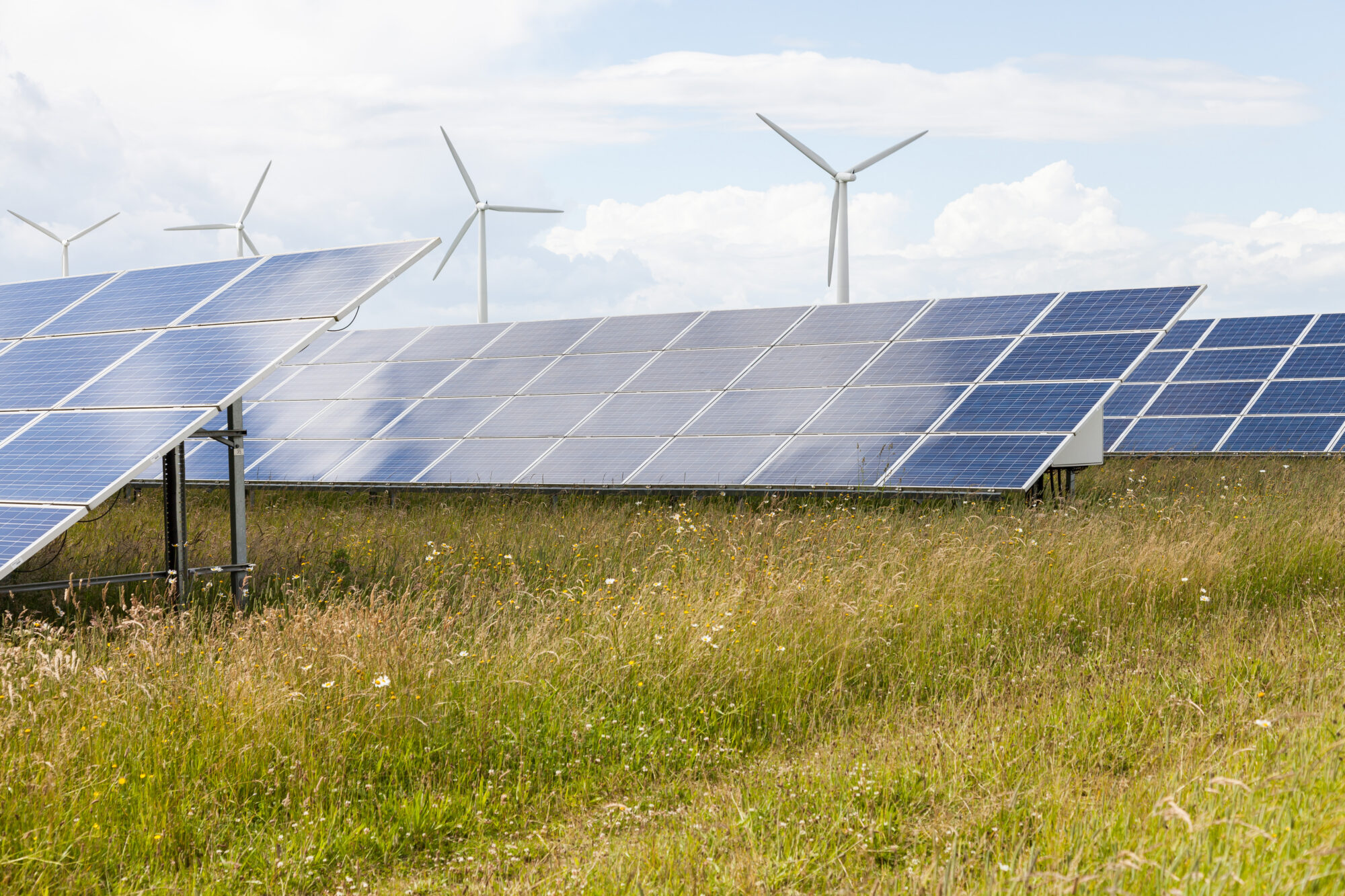
Key improvements are needed for affordable, reliable decarbonization
Fresh Energy and our CEO partners commissioned modeling for five alternative plans to Minnesota Power’s Preferred Plan that are affordable, reliable, have fewer emissions, and avoid any new long-term commitment to gas.
In its detailed technical analysis, CEOs hired experts in energy modeling, reliability modeling, the transmission system, and health and equity. This thorough, expert review has determined that Minnesota Power can build a cleaner, reliable energy system that carries less financial risk by investing in clean energy instead of new natural gas and its existing biomass plant.
1. Investing in a new 750-MW natural gas plant is risky and unnecessary
Minnesota Power’s proposal to build a 750 MW combined cycle (CC) natural gas plant by 2035 is unnecessary, financially risky for ratepayers, and would make it significantly harder for the utility to comply with state and federal energy law.
CEOs agree with Minnesota Power that it will need firm capacity (electricity generation available on-demand) when its Boswell coal plant retires. But a new natural gas plant is not the right way to meet that need. Minnesota Power could convert both remaining Boswell units to operate entirely on gas by 2030 and fully retire them in 2040. This provides a cleaner alternative to continued coal operations and can effectively serve as a bridge resource, giving Minnesota Power the opportunity to pursue new clean firm technologies needed to comply with the 2040 law as they develop and become more cost-effective over the next decade.
New natural gas plants typically operate for 25 to 30 years, meaning a plant built in 2035 would likely remain online until 2060-2065, well past the 2040 deadline by which Minnesota Power must meet Minnesota’s carbon-free standard. Achieving that compliance while operating a gas plant would require either massive investment in hydrogen or Carbon Capture and Sequestration (CCS) technology, which is not yet commercially available, or purchasing large quantities of Renewable Energy Credits. Minnesota Power did not evaluate either of these compliance costs in its resource plan, leaving a significant gap and cost risk in its analysis.
Beyond being unnecessary, building a new gas plant carries serious financial risk for the utility and ratepayers. Minnesota Power is proposing to lock in major capital investment nine years before the plant is needed and come online a mere five years before it must comply with Minnesota’s carbon-free standard. It’s also proposing this investment at a time when gas turbine costs are historically high. One analyst estimates a 195% increase in gas turbine prices since 2019, and one utility has reported a $25 million fee for reserving a turbine for a project coming online in 2030. In Indiana, a recently-built gas plant cost 36% more than projected in its resource plan. Approving this plant now would expose Minnesota Power’s customers to significant and avoidable cost risk.
Our modeling shows, using the converted Boswell units as a backstop capacity resource, Minnesota Power can meet its electricity demand with wind, solar, storage, and demand response programs alongside new clean firm technology in the 2030s, a no-regrets approach that avoids the financial, legal, and technological risks of new gas infrastructure. Instead of locking ratepayers into an expensive and narrow compliance pathway, Minnesota Power should convert Boswell Unit 4 to gas in 2030, retire it by 2040, and invest in emerging clean firm technologies like long-duration energy storage or enhanced geothermal (both of which have already completed successful commercial pilots) to supply a clean grid.
2. Building more clean energy is the best affordable, no regrets option for Minnesota Power
The CEOs’ extensive modeling indicates that Minnesota Power can reliably and affordably meet its energy needs by building more clean energy without a new natural gas plant. Our analysis supports retiring Hibbard by 2030, converting Boswell to run on gas rather than coal from 2030-2040, and investing in more clean energy in the medium-term and clean firm technologies in through the 2030s. The specific resources we recommend are discussed in detail later in this post; this section focuses on what our modeling process found and why it points so clearly toward a cleaner path.
CEOs modeled five alternative portfolios to Minnesota’s Power’s proposed plan, evaluating each against the five factors the Commission uses to assess resource plans: reliability, rates, environment, response to changing conditions, and limiting risks outside the utility’s control. Our alternatives show how clean technology can perform as well or better than Minnesota Power’s proposal across all five factors, demonstrating that a cleaner plan is a better path forward for Minnesotans.
A key reason Minnesota Power’s proposal is flawed is that it rests on incorrect assumptions. The utility overestimated the costs of solar, wind, and battery storage while underestimating the costs of gas turbines, which artificially tilted the analysis toward fossil fuel investment. Minnesota Power also modeled itself as an energy “island” disconnected from the broader MISO grid, an assumption that does not reflect how the utility actually operates and results in overbuilding gas resources. Our modeling corrects these assumptions and produces a plan that complies with Minnesota’s 100% clean electricity law and federal power plant emission standards — something Minnesota Power’s proposal fails to demonstrate.
CEOs also recommend the Commission reject Minnesota Power’s proposed Growth Plan, which would grant the utility authorization to build up to 1,100 MW of additional resources without requiring demonstrated load growth need. While we understand that Minnesota Power is attempting to plan responsibly during a period of significant load uncertainty, the Growth Plan relies on an opaque and speculative load forecast that does not provide adequate basis for that level of pre-authorization. Instead, we recommend the Commission require that large new loads have signed, Commission-approved Energy Service Agreements before receiving approval, and that the utility work with stakeholders to develop a more transparent, regularly-updated large load forecasting process that uses stochastic modeling to better capture uncertainty to give all parties a clearer picture of future electricity needs.
3. The Hibbard biomass-burning plant must close in 2030
Minnesota Power proposed to keep its 44 MW, two-unit Hibbard biomass plant operating indefinitely, citing reliability concerns on the transmission system. This position is not supported by the evidence. An independent technical review by Telos Energy commissioned by CEOs found that Hibbard is not needed for grid reliability, and that the utility can retire the plant by 2030 by making modest transmission upgrades it has already proposed and repeatedly deferred.
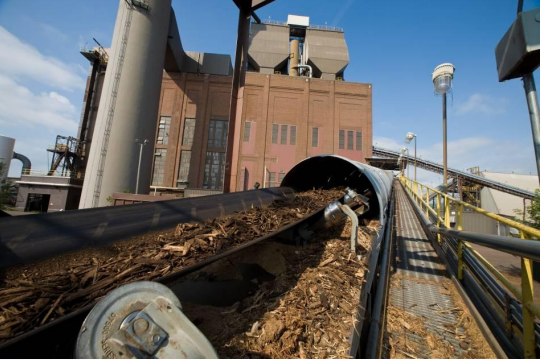
The electric grid operator itself has concluded that Hibbard is not critical to system reliability. At Minnesota Power’s request, MISO — the regional grid operator for the Midwest — studied the effects of retiring Hibbard early. MISO found that the plant could be considered for retirement, was not critical for reliability, and that constraints from retiring the plant could be mitigated with transmission infrastructure. Telos Energy confirmed this finding, concluding that the reliability concerns Minnesota Power cites could be addressed through relatively modest transmission infrastructure upgrades that could realistically be completed by 2030.
Retiring Hibbard is an urgent environmental justice priority. The plant sits adjacent to densely populated residential neighborhoods in Duluth: approximately 30,000 people live within three miles of the facility, including lower-income communities and populations with heightened vulnerability to air pollution. The community within one mile of the plant has lower income than 89% of Minnesota census tracts and is more environmentally vulnerable than 78% of the state. Continuing to operate this facility, when the grid operator itself has confirmed it is not needed, imposes real and ongoing harm on residents who have the least capacity to bear it.
Because there is no demonstrated reliability need to keep Hibbard open, and because continued operation has serious health impacts for tens of thousands of under-resourced residents living nearby, CEOs recommend that Minnesota Power retire Hibbard by 2030, invest in the transmission upgrades it has already proposed, and explore replacing the plant’s capacity with a small thermal battery.
Investing in clean energy, not new natural gas, will be cost-effective, reliable, and meet climate targets
Based on extensive modeling, technical analysis, and evaluation from industry-leading expert consultants, Fresh Energy and our CEO partners are recommending Minnesota Power avoid building a new 750 MW CC gas plant, close the highly-polluting Hibbard biomass-burning plant in West Duluth in 2030, and build more renewable energy to reduce greenhouse gas emissions and protect public health.
The CEOs recommend Minnesota Power add the following resources, in addition to Minnesota Power’s proposed carbon-free additions:
- 400 MW of wind by 2032
- 500 MW of solar by 2035
- 200 MW of battery storage by 2030
- 200 MW of new demand response and customer programs by 2030
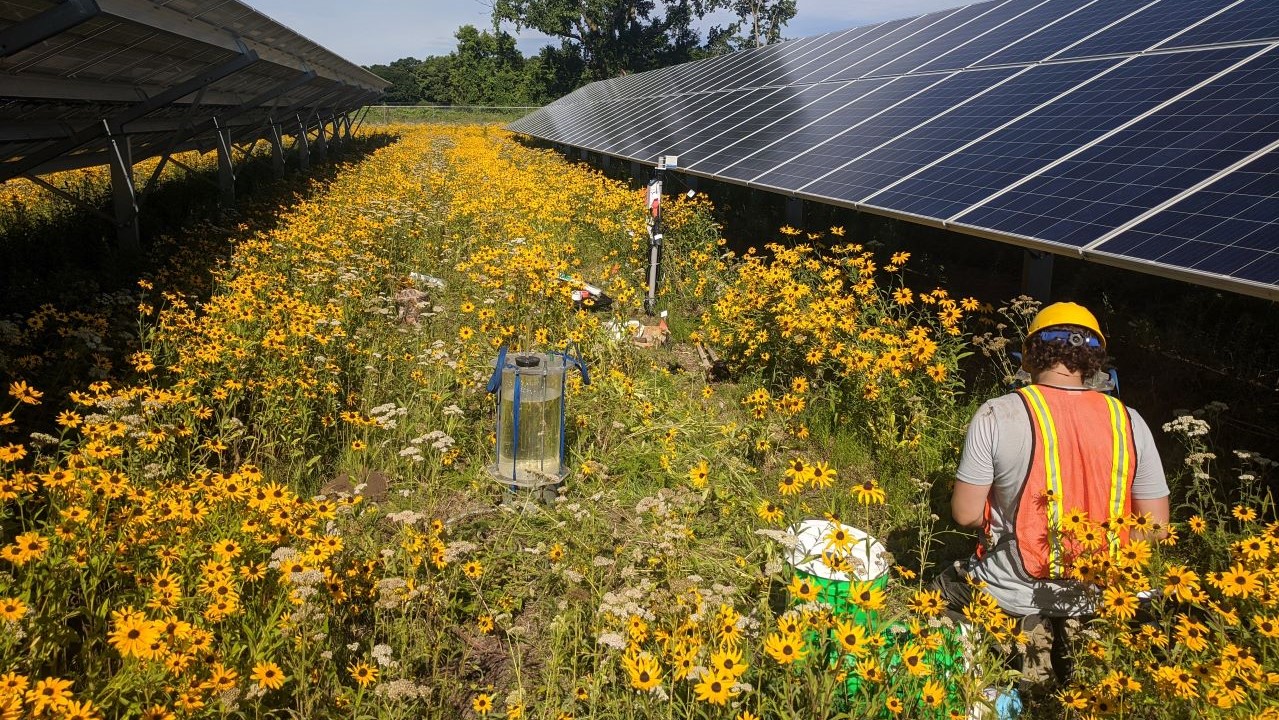
Minnesota Power can improve supplier and workforce diversity, equity metrics reporting
CEOs are recommending the Commission advance important equity outcomes in Minnesota Power’s IRP. We appreciate that the utility has demonstrated commitment to advancing equity, and our recommendations focus on improving transparency, expanding access to economic opportunities, and ensuring that the benefits of the clean energy transition are more equitably distributed.
CEOs recommend the Commission require Minnesota Power develop and maintain a public-facing service quality map, similar to Xcel Energy’s tool, to map equity metrics including energy burden, participation in low-income energy assistance programs, disconnections, and outage frequency and duration.
Minnesota Power would also benefit from a more diverse supplier ecosystem. CEOs are recommending the utility hire a diversity consultant to evaluate current procurement practices, identify barriers to participation, and develop a strategy to improve supplier diversity. We also recommend the utility create a publicly-accessible database of Request For Proposal (RFP) opportunities, a targeted outreach plan to ensure diverse suppliers are aware of contracting opportunities, and include external evaluators in its RFP process to support more diverse vendor selection outcomes.
Finally, CEOs recommend that Minnesota Power improve its workforce diversity by partnering with community-based organizations that represent underrepresented populations to improve the energy sector career pipeline, expand internship and early-career opportunities for individuals from underrepresented groups, and develop and implement strategies to increase representation in its leadership, especially for senior roles and those reporting directly to the CEO.
By improving transparency, accountability, and inclusion, Minnesota Power can better align its IRP process with equitable outcomes that ensure all communities benefit from Minnesota’s energy transition.
What’s next?
Overall, the CEOs recommend a cleaner path for Minnesota Power that carries less financial risk, reduces emission, and creates better outcomes for the Minnesotans — particularly those in overburdened communities — who depend on Minnesota Power for affordable, clean, reliable electricity.
The investment choices that Minnesota’s electric utilities like Minnesota Power make today will have ramifications on our energy system and climate emissions for decades. It is of the utmost importance that our energy system transition be affordable, reliable, equitable, and carbon-free, and that requires thorough scrutiny of utilities’ long-range electricity plans.
Fresh Energy has been engaging in Minnesota’s energy regulation processes for over 30 years, and our staff of technical experts ensure Integrated Resource Plans benefit all Minnesotans. We, along with our CEO partners, have filed our initial comments and will continue to engage in the regulatory process at the Commission over the coming months to advocate for Minnesota Power to maximize its clean investments. We anticipate the Commission will make a final decision on Minnesota Power’s IRP in August 2026.