
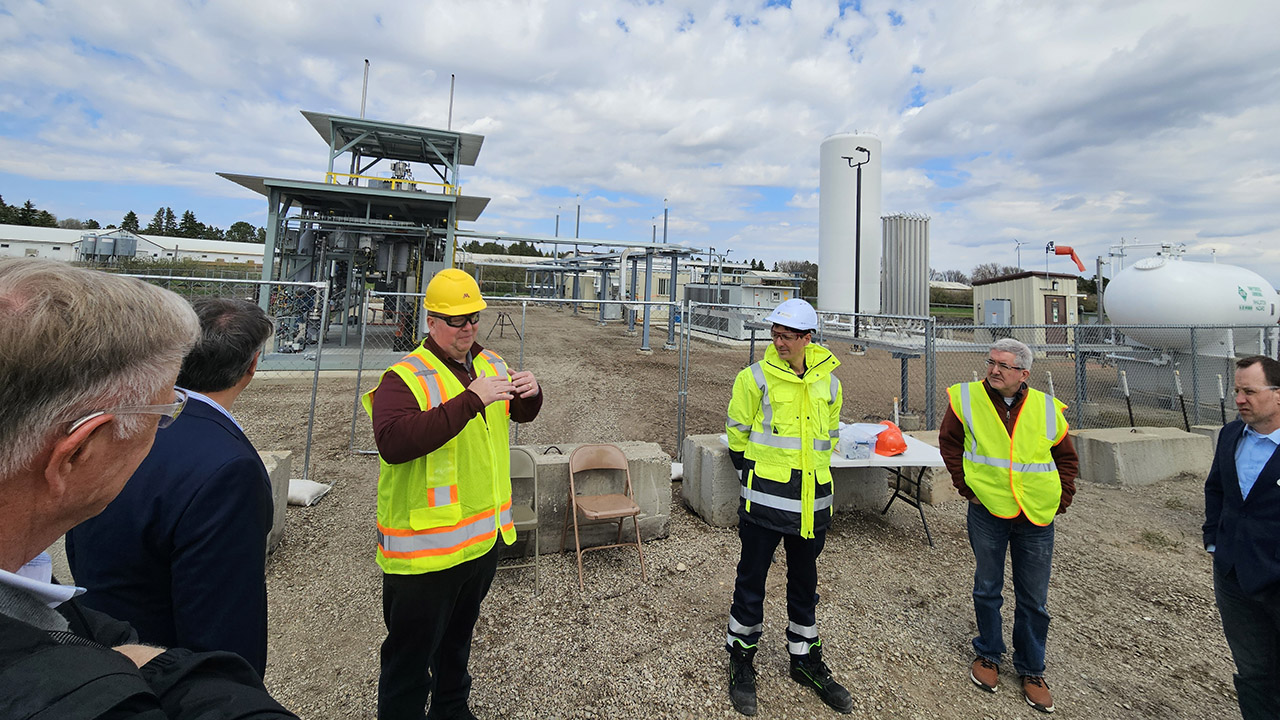
For decades, Fresh Energy has helped shape Minnesota’s clean energy landscape, driving progress across multiple critical sectors, including securing Minnesota’s landmark 100% clean electricity law. Generating steady wins throughout the Electricity, Buildings, and Transportation sectors has built necessary momentum for and dedication to transforming the systems that power our economy. Today, as Minnesota continues its transition toward a carbon-neutral future, another sector that stands out as both a challenge and opportunity is Industry.
For more than a century, Minnesota’s economy has been driven by industrial activities. From mining and manufacturing to food processing, forest products, medical technology, and advanced materials, industrial facilities provide family-supporting jobs, anchor regional economies, and produce the goods that communities rely on every day. They are also among the most energy-intensive sectors in the state and a significant source of greenhouse gas emissions.
That’s why Vision 2030: Fresh Energy’s Strategic Framework elevated industrial decarbonization as a core area of focus. Achieving Minnesota’s climate goals while strengthening economic competitiveness requires reducing emissions from the industrial processes that form the foundation of our economy.
The Challenge: Decarbonizing industrial processes and driving long-term industrial resilience
In Minnesota, the industrial sector is the fourth-largest (and growing) source of greenhouse gas emissions in the state, and it accounts for about 18% of the state’s net emissions. Unfortunately, Industrial emissions are among the most difficult to reduce because industrial facilities rely on highly specialized processes that often require significant amounts of heat, continuous operations, and custom equipment. Solutions that work for one facility may not work for another, making industrial decarbonization more complex than other sectors.
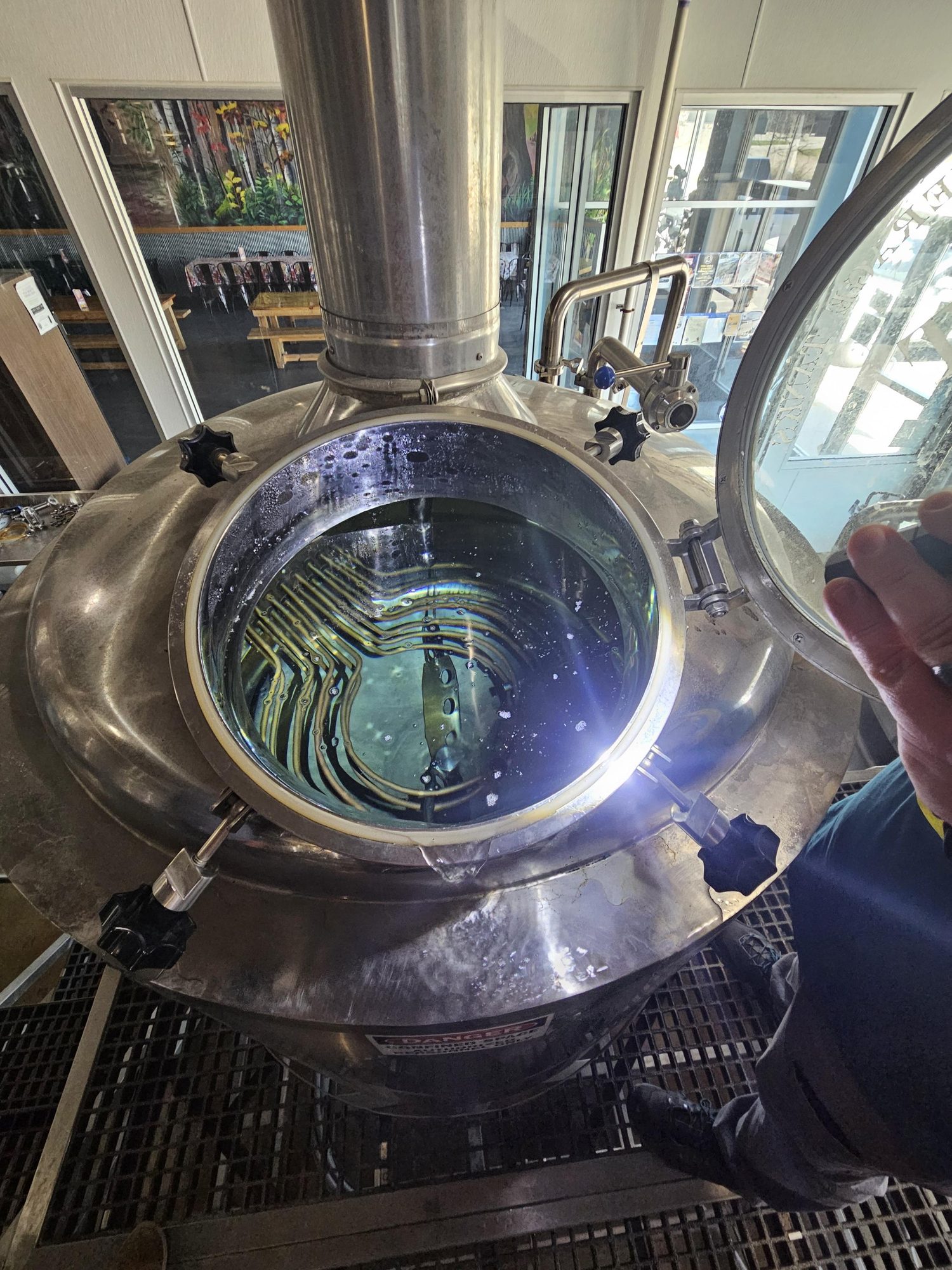
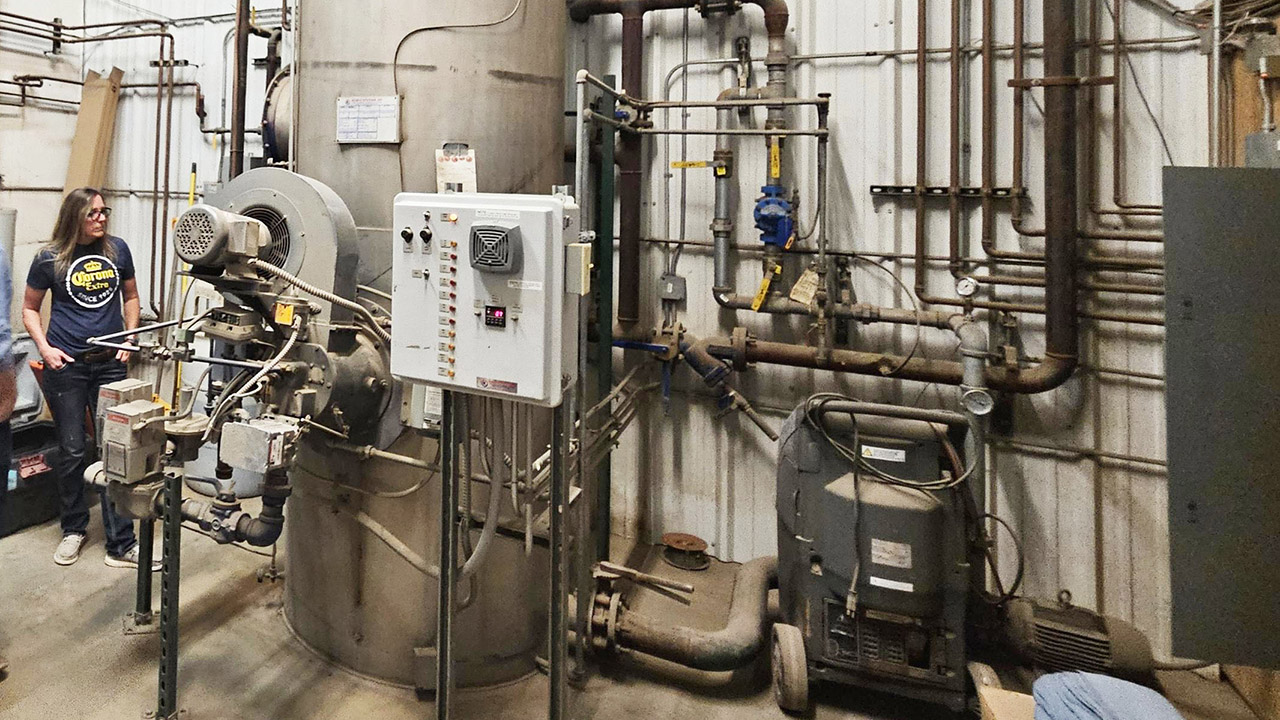
In many cases, emissions from the industrial sector are tied to heat used in the manufacturing process (known as process heating) that has historically relied on fossil fuel combustion. Boilers, furnaces, kilns, dryers, steam systems, and similar process heating equipment are frequently central to industrial operations and are often inefficient, emissions-heavy systems compared to modern energy-efficient options like industrial heat pumps. However, adopting new, cleaner technology solutions can come with a list of challenges for an operator, so that change is often slow to come.
Transitioning industrial systems can be challenging for practical reasons. Companies have invested heavily in facilities and processes that are already optimized for production. Changes can require retraining workers, modifying operations, and accepting risks to productivity. New technologies can also require significant upfront investment and, in some cases, higher operating costs. As a result, industrial change often happens gradually.
While transitioning industrial systems involves cost and operational challenges, inaction carries risks of its own. Volatile energy prices, changing customer expectations, evolving supply chains, and increasing demand for lower-carbon products are reshaping global markets. Companies that adapt will be better positioned to compete in the decades ahead.
Industrial resilience and decarbonization are critical for Minnesota’s future
Minnesota’s industrial sector contributes billions of dollars annually to the state’s economy and supports hundreds of thousands of jobs across the state, with manufacturing serving as one of the state’s largest sources of high-wage employment. The resilience and future competitiveness of these industries will increasingly depend on their ability to access clean energy, improve efficiency, reduce emissions, and meet growing market demand for lower-carbon products.
Climate change and global supply chain constraints are creating new risks for businesses, infrastructure, and communities. Extreme weather, trade volatility, rising operating costs, and changing customer expectations are reshaping markets across the globe and in Minnesota — but what states and countries do now, at this time of change, will shape the future.
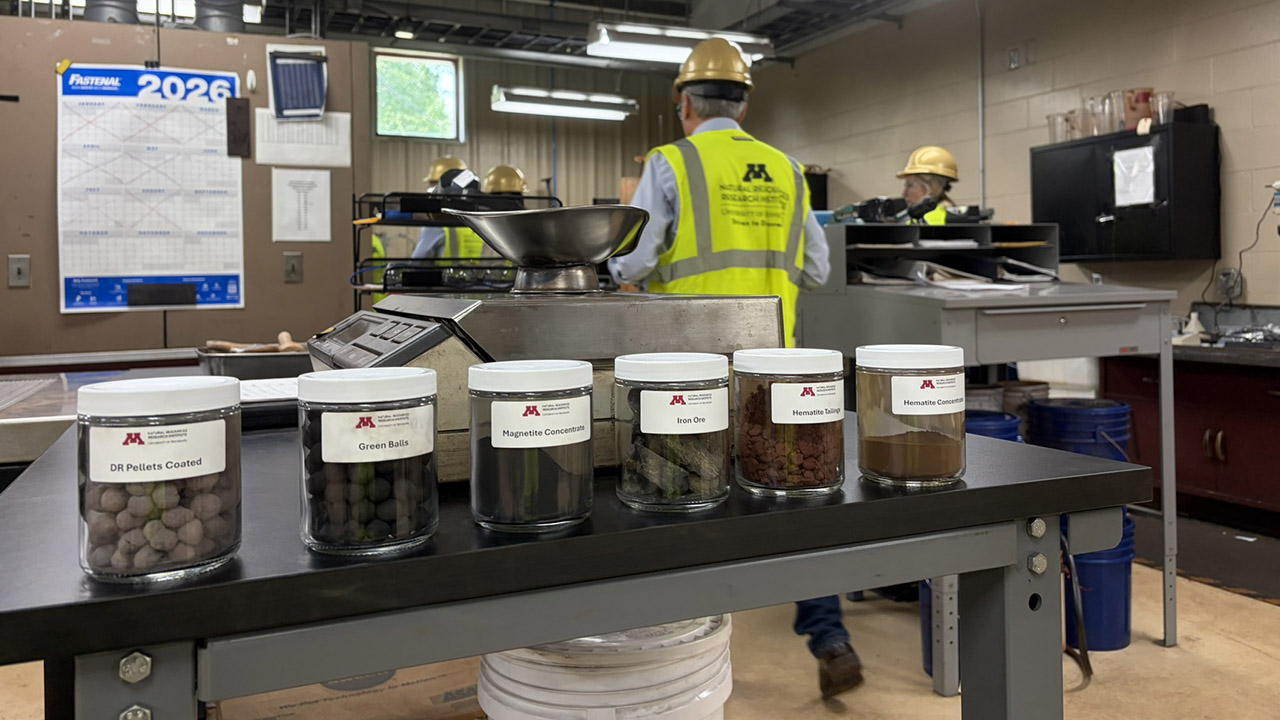
The good news is that Minnesota’s industrial sector is adept at facing and adapting to transformational industrial challenges. For example, in the mid-20th century when high grade iron ore reserves began to decline, industry leaders, researchers, and policymakers worked together to pioneer the completely new taconite “pelletization” process. That innovation transformed the global iron ore industry, preserved jobs on the Iron Range, and secured Minnesota’s place as a critical supplier of iron ore for generations and into the present.
Today, Minnesota faces another defining industrial opportunity. The question is not whether industry will evolve. The question is whether Minnesota will help lead that transformation.
When it comes to decarbonizing industry, Minnesota has a huge advantage
Minnesota enters this global industrial transition with significant strengths that put us steps beyond the competition. We have:
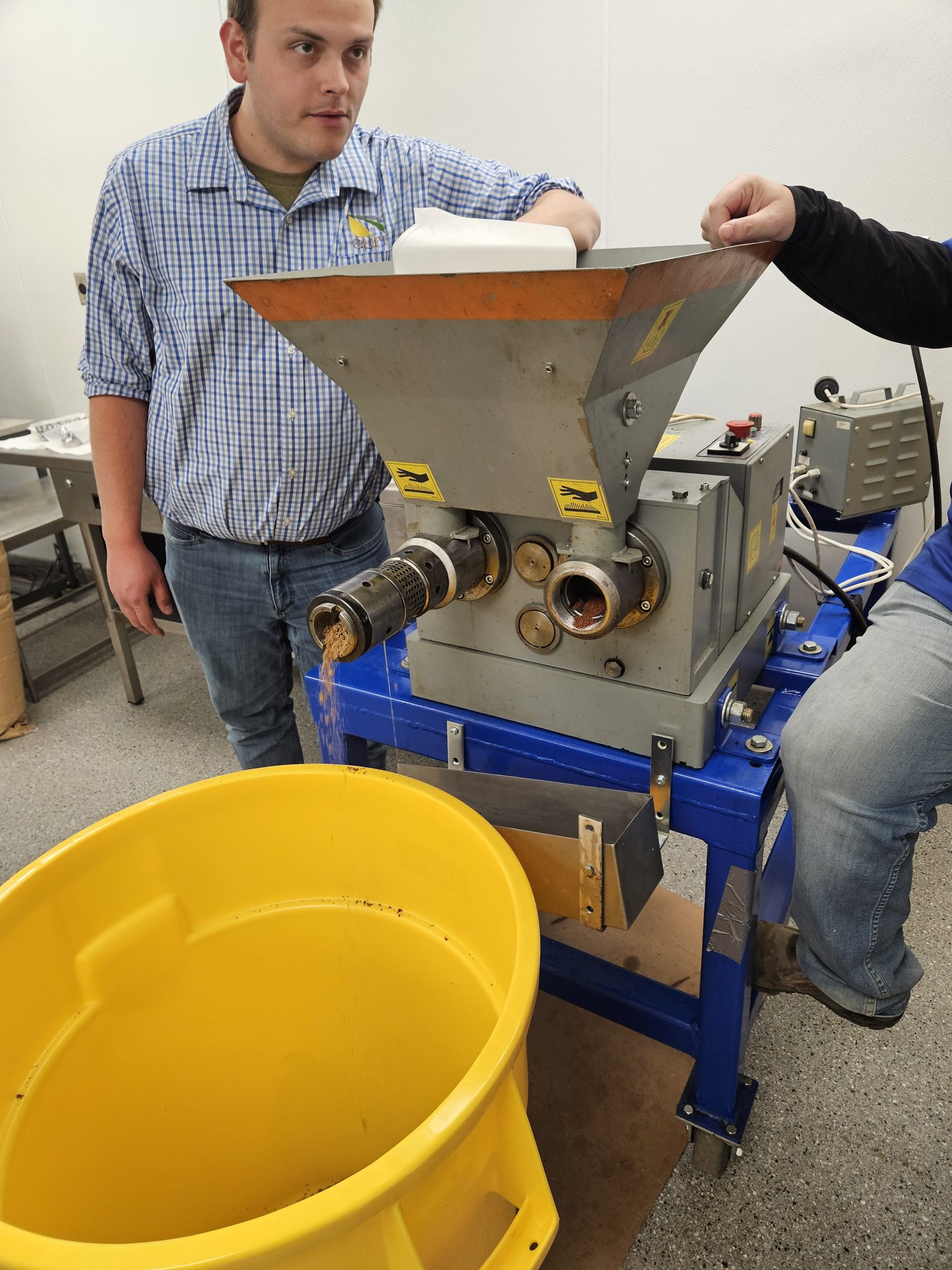
- A highly skilled industrial, engineering, and manufacturing workforce
- World-class research institutions advancing next-generation technologies
- Globally significant natural resources and robust transportation infrastructure
- Growing access to clean, reliable electricity
- Established industrial supply chains and business networks
- A strong foundation of supportive policies and programs
These key strengths position Minnesota to become a national leader in clean industrial development. Rather than viewing decarbonization as a threat to industry, Fresh Energy sees it as an opportunity to build the next generation of industrial competitiveness. The communities that successfully attract emerging industrial investment will capture jobs, supply chains, innovation, and long-term economic growth.
Fresh Energy’s approach to decarbonizing industry in Minnesota
Industrial transformation requires more than technological innovation alone. Success depends on aligning policy, infrastructure, markets, research, utility engagement, and investment strategies to support emerging technologies and help industrial facilities manage risk. Through supporting and advancing innovative policies and programs, Fresh Energy is working to create the conditions that enable cleaner industrial technologies and business models to succeed in Minnesota:
Supporting early movers
Fresh Energy works to identify emerging opportunities, connect stakeholders, and support projects that demonstrate new technologies in real-world settings. Early adopters may be large corporations pursuing sustainability goals or smaller businesses willing to test innovative approaches. Successful projects help reduce uncertainty, build confidence, and accelerate broader market adoption.
Building public-private partnerships
Industrial decarbonization requires collaboration. Utilities, manufacturers, policymakers, researchers, labor organizations, economic development leaders, and communities all play important roles in shaping the future industrial economy. Strong public-private partnerships can help de-risk investments, accelerate deployment, and position Minnesota to compete for major industrial projects.
Advancing market transformation
Technology alone does not transform markets. Policy, infrastructure planning, financing tools, and regulatory frameworks all influence whether innovative technologies can scale successfully. Fresh Energy works to advance policies that support investment, reward innovation, reduce barriers to deployment, and strengthen Minnesota’s competitive position in emerging industrial sectors.
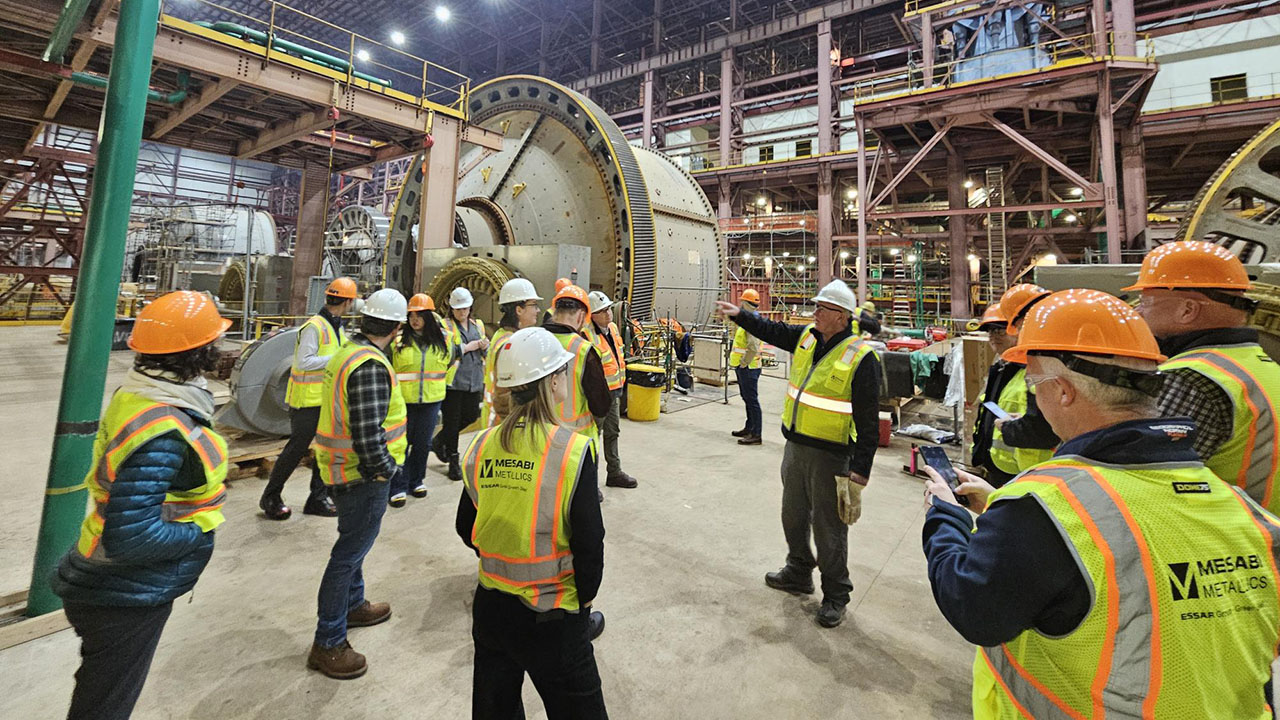
Policy solutions that can move the needle
Fresh Energy believes policy is the most effective way to drive lasting climate and clean energy progress because it transforms entire systems. Policies create the rules, incentives, and market conditions that accelerate clean energy adoption across entire sectors. These are a few of the policy solutions the Industry team is focusing on:
Industrial electrification
Many industrial processes can be powered by electricity rather than fossil fuels. As Minnesota’s electric grid continues to become cleaner, industrial electrification represents one of the most important pathways for long-term emissions reductions.
Supporting electrification requires thoughtful planning, economic and tax incentives, and policies that encourage investment while maintaining reliability and affordability. As industrial electrification grows, Minnesota will also need continued investment in generation, transmission, and distribution infrastructure to ensure reliable and affordable power for future industrial growth.
Utility rate design
Electricity costs play a significant role in industrial investment decisions. Well-designed rate structures can help industrial facilities deploy cleaner technologies, lower operating costs, and take advantage of Minnesota’s growing clean energy resources.
Demonstration projects
Many promising industrial technologies remain in the early stages of commercialization. Targeted grants, financing tools, and demonstration programs can help validate performance, reduce uncertainty, and accelerate market adoption.
Strategic industrial development
Minnesota has an opportunity to compete for major industrial investments that align economic development and climate goals. Targeted incentives and coordinated planning can help attract projects that create jobs, strengthen supply chains, and support long-term industrial growth. In some cases, strategic industrial growth and electrification can improve utilization of the electric grid, helping spread infrastructure costs across more customers and supporting long-term affordability.
Looking ahead
Industrial decarbonization is a long-term transition driven by practical investments, evolving technologies, and strategic decisions about how Minnesota’s industries will compete in a changing economy.
In many cases, the most cost-effective emissions reductions begin with industrial efficiency. Improving controls, recovering waste heat, optimizing processes, upgrading equipment, and reducing energy consumption can lower costs while reducing emissions. As the old saying goes, the cheapest energy is the energy you never have to use.
For facilities that rely on industrial heat, electrification presents another significant opportunity. Technologies such as industrial heat pumps can provide low- and medium-temperature heat far more efficiently than conventional fossil fuel systems, often delivering multiple units of useful heat for every unit of electricity consumed. Equally important is ensuring that when aging equipment reaches the end of its useful life, companies evaluate modern alternatives rather than replacing old gas-fired systems with new ones that could lock facilities into decades of continued fossil fuel dependence.
At the same time, Minnesota is uniquely positioned to capitalize on emerging opportunities in cleaner manufacturing. Perhaps no sector better illustrates this potential than iron and steel production. Minnesota’s iron resources, mining expertise, manufacturing heritage, and growing clean energy economy create opportunities to attract new investment and support the next generation of lower-carbon manufacturing. Communities that successfully attract these investments will secure jobs, infrastructure, and long-term economic growth.
Beyond steel, innovation is accelerating across the industrial sector. Advanced electrification, thermal energy storage, hydrogen production, next-generation metallurgical processes, and other technologies are creating new opportunities to rethink how materials are produced and manufactured. Fresh Energy is working to help Minnesota prepare for and capitalize on these opportunities as they emerge.
Fresh Energy’s policy work on the industrial sector happens in the spaces where long-term energy and industrial decisions are made, including at the Minnesota Legislature, the Minnesota Public Utilities Commission, and state agencies. The work comes to life through utility planning proceedings, Integrated Resource Plans, utility rate cases, Future of Gas proceedings, and through regional partnerships and industry collaborations. Decisions made in these venues increasingly shape the affordability, availability, and reliability of the energy resources industrial facilities will need in the decades ahead.
Industrial decarbonization is about more than reducing emissions. Done well, it can strengthen Minnesota’s manufacturing base, attract investment, create high-quality jobs, improve energy productivity, and position the state as a leader in the next generation of industrial innovation.
Minnesota has a long history of adapting to economic and technological change. With the right policies, investments, and partnerships, it can continue that tradition while building a cleaner, more competitive industrial economy.
Fresh Energy is committed to helping make that future possible.