
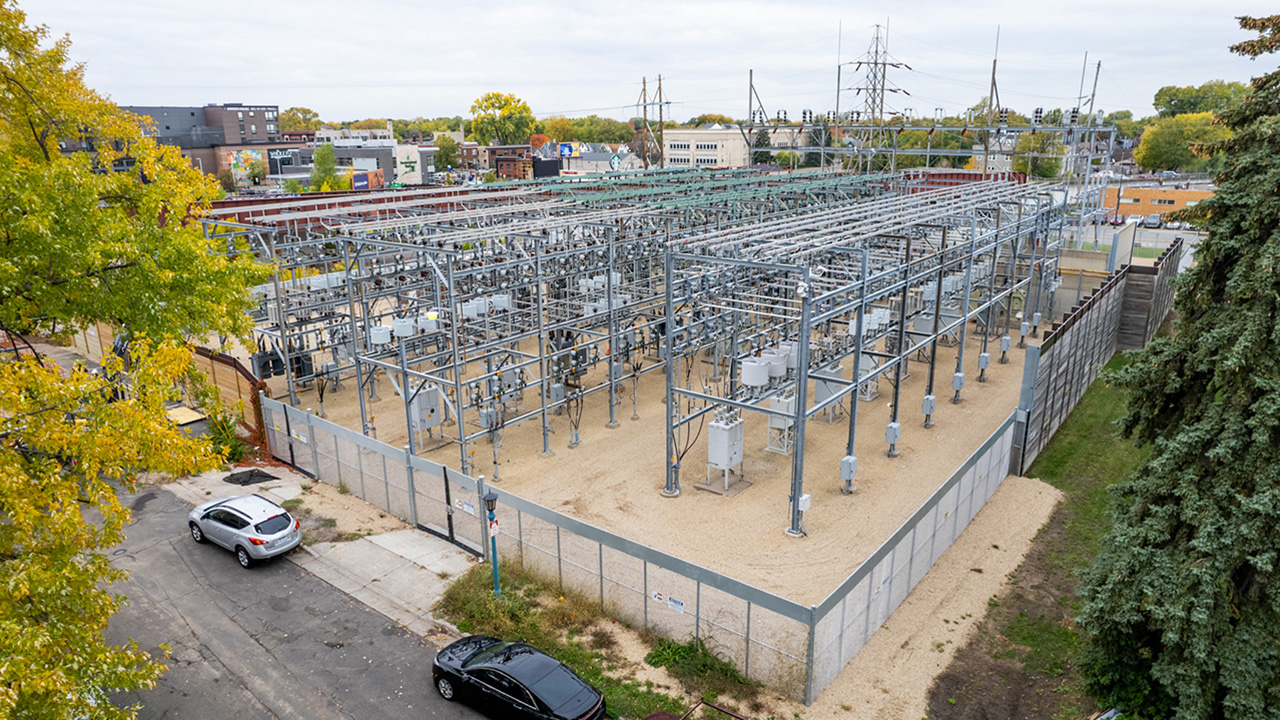
Electricity prices have climbed in recent years. A report from The Brattle Group found that the average U.S. retail electricity rate rose 0.4% per year from 2015 to 2020, then 5.6% per year over the following five years. And while Minnesota’s average residential electricity bills are among the lowest in the nation — the eighth-lowest in 2024 — electricity demand is projected to grow because of proposed data centers and electrification, which puts pressure on utilities to build more generation. This presents a challenge to grid planners and decisionmakers: how do we meet growing electricity demand while keeping rates affordable?
Minnesota will build more clean energy resources to meet growing demand. But what if, in addition to building more wind, solar, and other clean energy technologies, we also got more use out of the electric distribution grid we’ve already built?
That’s the idea behind grid utilization, a no-regrets tool we can use to make Minnesota’s electricity more affordable. By making better use of our existing infrastructure, we can reduce costs for ratepayers while meeting new demand with clean electricity while maintaining reliability.
This post explains what grid utilization is, how distributed energy resources play a part, and what it could mean for an affordable, clean energy system in Minnesota.
What is grid utilization?
When people talk about grid utilization, they’re usually considering using and planning around our existing electric distribution grid in a smarter way to cut costs and meet new electricity demand. But technically, the definition of grid utilization is simply the energy delivered over a period of time divided by the energy the infrastructure could have delivered over the same period. You can measure it at different scales — like a single feeder or substation, or all the way up to the entire regional Midcontinent Independent System Operator or Southwest Power Pool electricity grids. It essentially measures how much of a grid’s total capacity you use.
But greater grid utilization on its own isn’t necessarily a good thing — it depends on the context.
There’s a clear distinction that must be made between grid utilization on the distribution system, e.g. that operated by local utilities such as Xcel Energy or Minnesota Power, and the broader transmission system operated by the Midcontinent Independent System Operator or the Southwest Power Pool, which utilities like Xcel and Minnesota Power rely on to buy and sell electricity from other utilities across the Midwest.
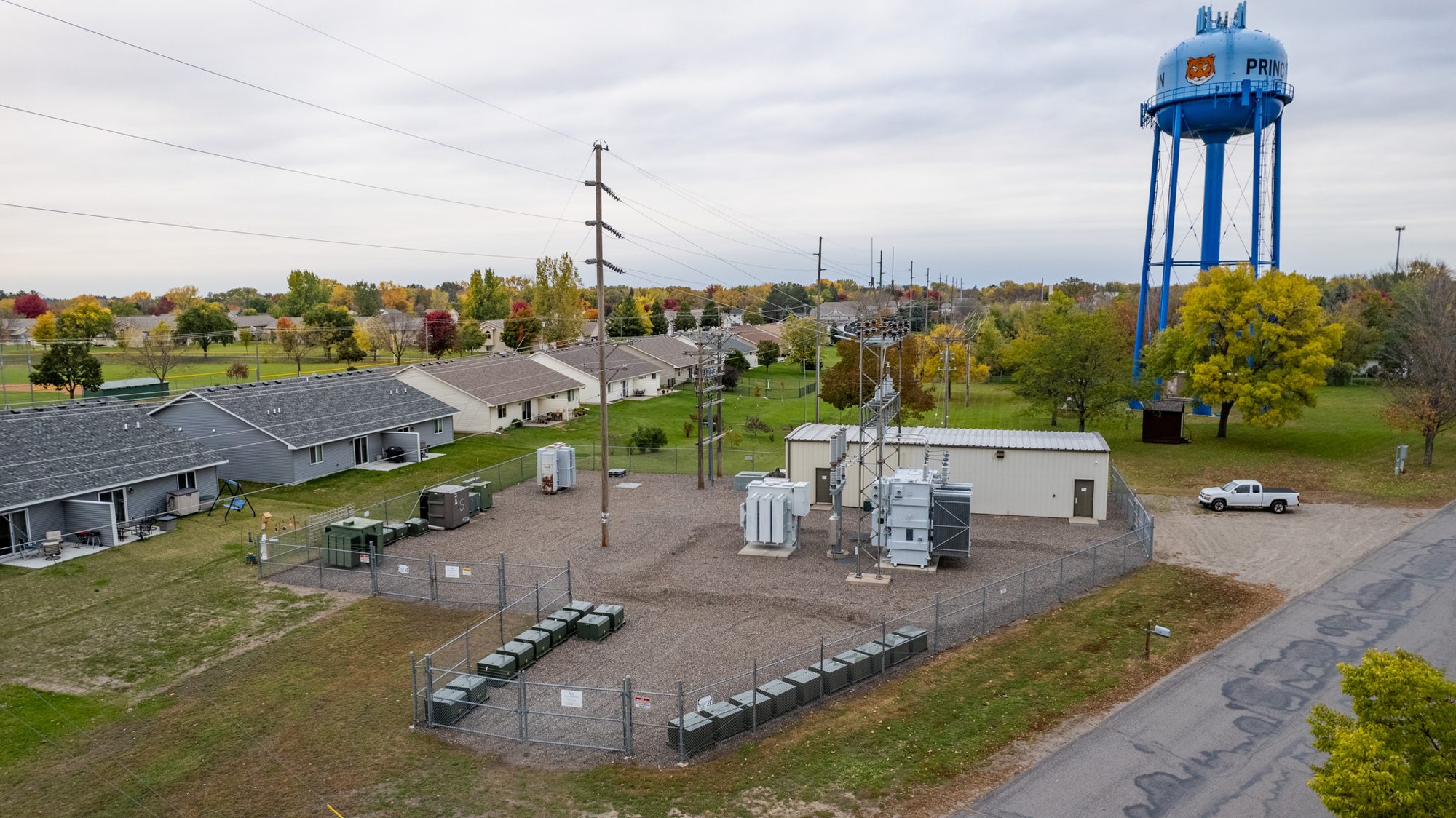
In general, greater grid utilization on the distribution system can better lead to lower relative rates while maintaining a clean energy future, but that is true for the transmission system only up to a point. Wind and solar resources on the transmission system, by their very nature, require lower utilization, but because these resources are fuel-free, they do so while also keeping rates low.
The “slack” in the transmission system that ultimately leads to lower transmission grid utilization is also what permits us to get to a fully decarbonized electric grid — it’s not windy and sunny everywhere all the time, but it’s usually windy or sunny (and often both) somewhere at all times, and when it’s not that’s where battery storage fills in the gap.
Building a transmission system that isn’t fully utilized enables a grid that is bigger than the weather, meaning that renewable electrons can be pulled in from somewhere at all times. If we sought to maximize grid utilization on the transmission system, we’d end up with more fossil fuel plants, which are more expensive to operate, and which lead to higher total costs. So, while a lower transmission grid utilization might lead to higher transmission system costs on one your bill, they also enable lower fuel costs on another part — bringing your total bill lower.
To better understand grid utilization, you first need to understand that our electric grid has historically been built around meeting peak demand. That means having the infrastructure to reliably deliver electricity when it’s used the most — usually several hours of time during summer’s hottest afternoons or winter’s coldest mornings. “Building to peak” means planning enough resources for the worst day on the electricity grid; but the rest of the time, much of our electric system’s capacity goes unused. On average, less than half the grid’s capacity is used over most of the year. With today’s technology, that’s an opportunity to cut costs for ratepayers.
Building to peak made sense when our electricity grid was first built, because utilities had few ways to manage demand. But today, we have batteries, smart thermostats, EV charging controls, virtual power plants, time-of-use rates, and a plethora of other levers we can pull to reduce demand on the grid when we need to. The distribution system was also built to supply power in one direction: to homes and businesses. But now with distributed energy systems like rooftop solar and locally sited batteries, the distribution system is increasingly becoming a two-way street. By using this new technology to shift when we use electricity, we can add load and use the grid much more cost-effectively than before.
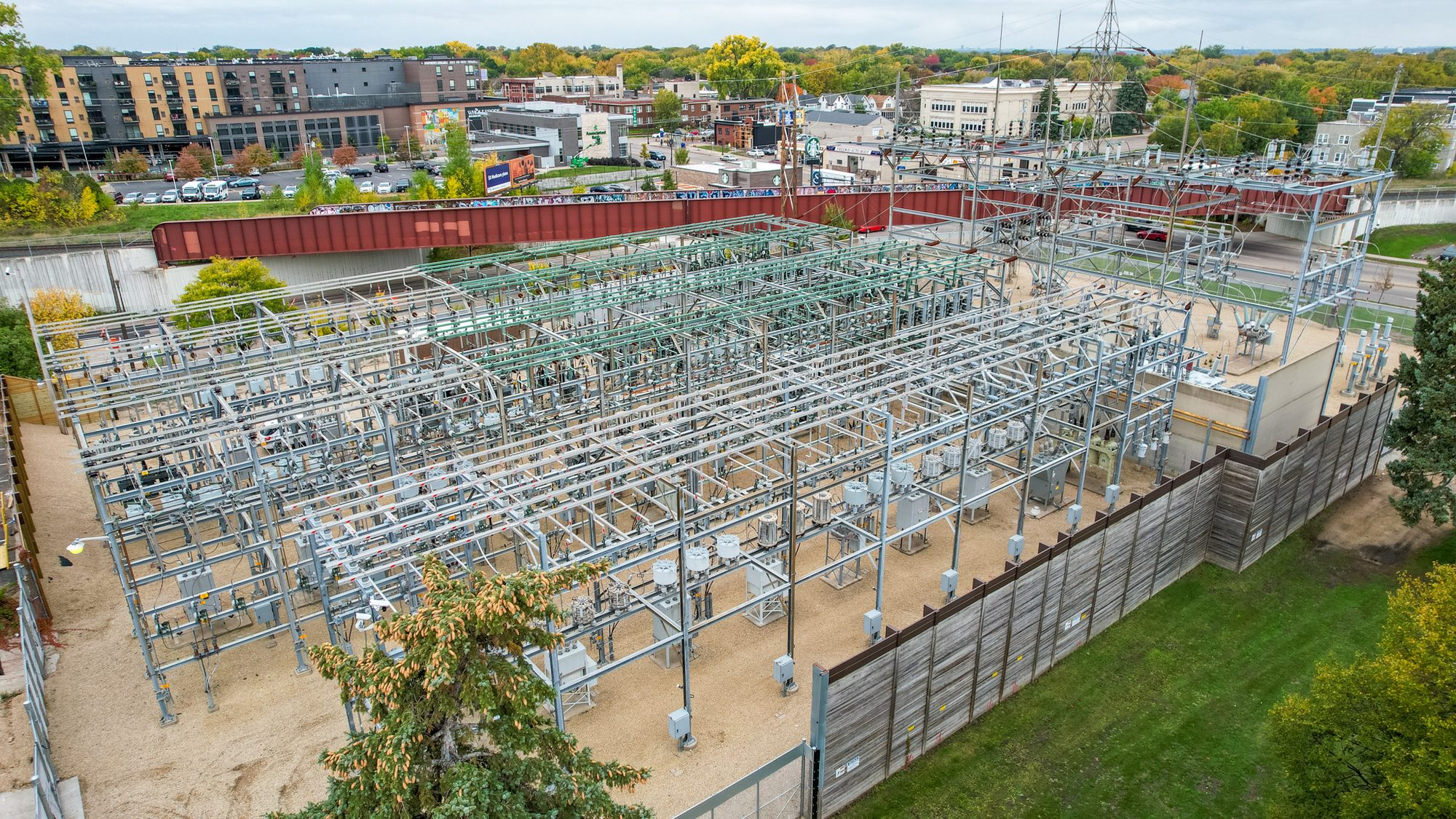
It’s a common-sense idea: we can use grid utilization to get more out of our existing distribution infrastructure to serve growing demand and reduce costs. While electric utilities, regulators, and advocates like Fresh Energy have appropriately used distribution planning based on peak demand, we now have the ability to also incorporate utilization measurements into our planning, an important tool in our affordable, clean electric system toolbox.
It’s important to note that reliability standards are maintained as an independent guardrail while improving grid utilization. Grid utilization is about shifting our energy use to get more value out of our existing grid, it’s not about sacrificing reliability. Even as we increase utilization, the electric grid will still have the same reliability standards, safety protocols, and operating margins needed to make sure our homes and businesses have power when we need them, especially during extreme weather. And to be sure our grid is ready for extreme weather, the most appropriate grid utilization metric will never aim for 100 percent. It must always have enough slack in the system to handle the most severe days.
The goal isn’t necessarily to set a utilization rate for our utilities to meet, it’s to use utilization as a tool for affordable load growth by using our existing grid better to minimize conventional infrastructure build-out.
How grid utilization can improve electricity affordability
Grid planners can use grid utilization measurements to improve how they manage load and use grid resources, which can ensure investments in our electricity system are more cost-effective.
Here’s how it works: At a very high level, most of your electricity bill goes toward the grid’s fixed costs — the infrastructure like poles, wires, substations, and electricity generators that supply and deliver your electricity. By improving our distribution grid utilization metrics, like seeing when and where the grid has extra capacity we can tap into, grid planners will have a better understanding of how we can build new loads to tap into that capacity, sell more electricity on the same system, and spread fixed costs across more customers to put downward pressure on rates.
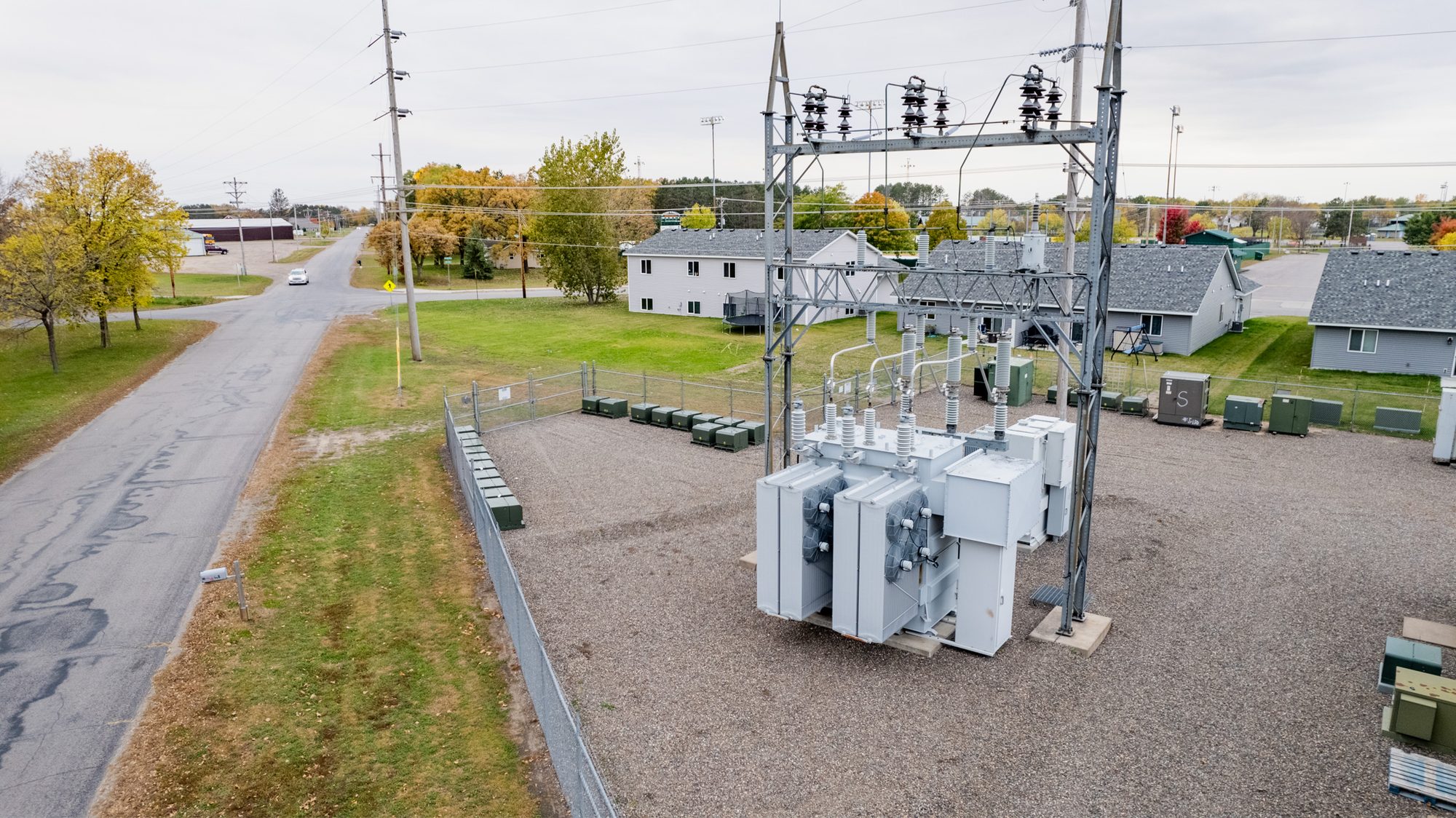
Utilization is a measurement. It doesn’t lower costs by itself, and policies that set an arbitrary utilization rate to meet miss the point. Utilization is a tool we can use to ensure we plan and use our grid more effectively, putting downward pressure on rates and ensuring infrastructure improvements are cost-effective.
What are the real, concrete ways utilization will help us increase headroom on the grid and lower costs? The Brattle report shares three ways. First is adding new load in locations where there’s extra headroom — like factories or EV chargers in specific locations where the grid has extra capacity. Second is adding new load at times where there’s extra headroom — like charging electric vehicles overnight when fewer people are using electricity. And lastly, incentivizing technologies that reduce peak demand, like discharging batteries on hot summer afternoons and cold winter mornings to create more headroom on the system. All three of these utilization pathways allow us to use the grid more effectively, putting downward pressure on rates.
These cost-saving ideas aren’t new. Minnesota is already using new technologies and programs like time-of-use rates, smart thermostats, and batteries to shift when and where electricity is used. By incorporating these technologies and grid utilization metrics in near-term decision-making, not just in long-term, peak-demand-based utility planning, our state can identify where we’re under-using the distribution grid and plan and build infrastructure more cost-effectively.
Grid utilization goes hand-in-hand with Minnesota’s clean energy transition
Minnesotans deserve a clean, affordable, and reliable electricity grid. Now that our state’s electricity sector is over halfway decarbonized, we’re in the middle of our energy transition and focusing on how to affordably scale clean energy as equitably and rapidly as possible to avoid the worst impacts of climate change.
On the distribution system, grid utilization and clean energy technologies go together like peanut butter and jelly, or — if you’ll permit me to use my favorite Minnesotan analogy — they go together like potluck and hotdish. Batteries, solar plus storage, EVs, virtual power plants, and time-varying rates are all clean technologies Fresh Energy has long advocated for — and they’re all instrumental to improving grid utilization.
Improving utilization will enable decarbonization when the distributed resources we use are clean. Plus, relieving distribution bottlenecks can help us speed decarbonization while saving ratepayers money. Smart policy will ensure grid utilization and decarbonization mutually benefit one another.
To ensure grid utilization helps, not hinders, Minnesota’s clean energy transition, Fresh Energy advocates that policy focuses on improving utilization at the distribution level, not the transmission level. The Midwest needs to build more transmission infrastructure, including interregional lines, to deliver a clean, affordable, and reliable grid. Utilization is a complement to new transmission infrastructure, not a replacement for it, much like Grid-Enhancing Technologies, and the transmission system necessarily relies on lower utilization rates to ensure the greatest reliability at the lowest cost while also using the cleanest resources available.
Grid utilization isn’t exclusively a decarbonization tool, however. The Brattle report notes that using our existing grid infrastructure — which includes coal and natural gas plants — could lead to increased output (and emissions) from existing power plants—something that is especially true with a high transmission system utilization rate. While that’s likely preferable to building new fossil fuel plants, it’s important that grid utilization policies be detailed and planned wisely to ensure that they help, not hinder, Minnesota’s affordable clean energy transition. And it also brings home the point that grid utilization isn’t just a number: there’s context needed to interpret it too.
What’s next?
Fresh Energy looks forward to engaging in the Minnesota Public Utilities Commission’s IDP Improvement Working Group which will develop a metric for measuring grid utilization in IDPs, as well as advocating for grid utilization policy in Minnesota’s upcoming 2027 legislative session next spring. An “IDP” is an Integrated Distribution Plan; you can learn more about distribution planning here.
Grid utilization is a practical tool that grid planners and utilities can use to advance affordable, clean electricity for Minnesotans. It’s important that Minnesota’s regulators, legislators, and other decisionmakers embrace smart policies that ensure it’s used effectively.
Want more details? Check out these resources to get in the weeds about grid utilization:
- Brattle Report: The Untapped Grid: How Better Utilization of the Power System Can Improve Energy Affordability (March 2026)
- Utilize Coalition Report: Beyond Peak: Defining, Measuring, and Optimizing Grid Utilization (September 2026)
- Deploy Action: Grid Growth, Utilization, and Affordability: A Playbook for States (February 2026)
- Volts Podcast: Using More of the Grid We’ve Already Built with Ian Magruder (April 2026)
- Energy Empire Podcast: The Cheapest Grid Is the One We Already Paid For with Arnab Pal (March 2026)
- Grid Strategies, for the Niskanen Center: “Winter Storm Fern Shows the Value of Transmission and Diverse Generation” (March 25, 2026)