
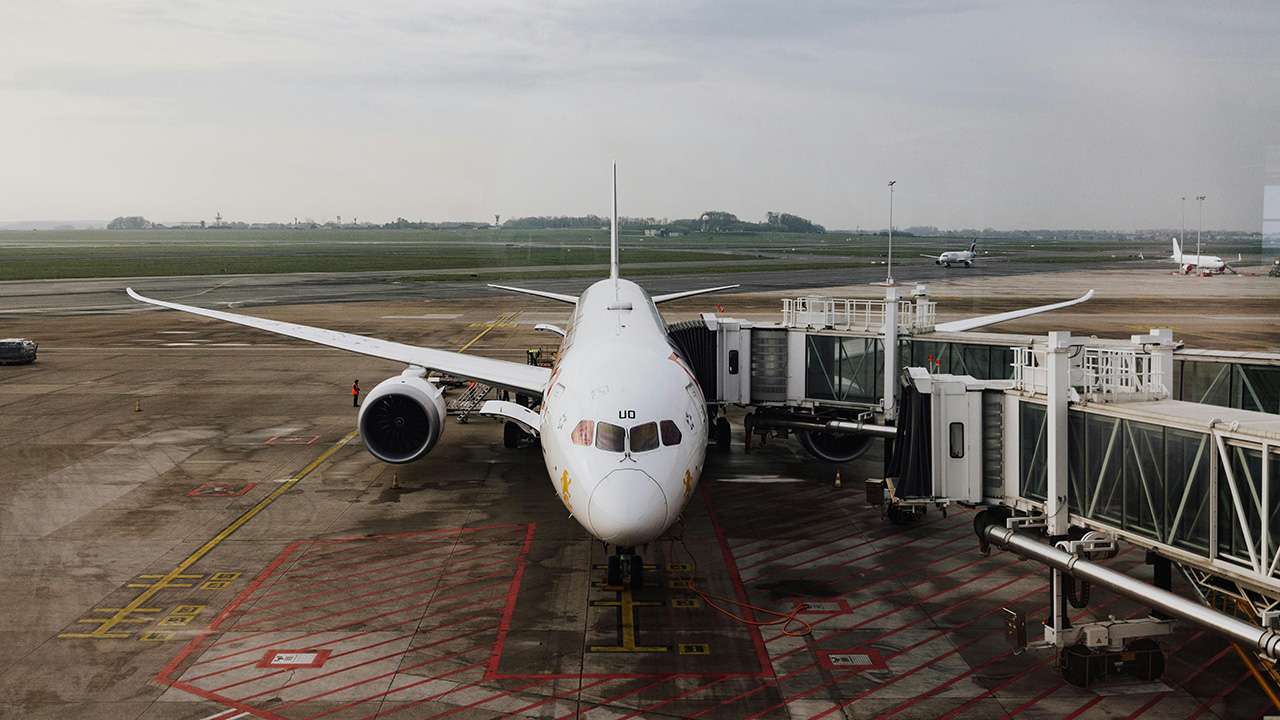
Fresh Energy’s mission is to achieve an equitable, carbon-neutral economy in our region, and that means lowering greenhouse gas (GHG) emissions in Minnesota’s highest-emitting sector: transportation. We’ve made steady progress on transitioning Minnesotans to electric vehicles charged with clean electricity, but some corners of the transportation sector don’t have an easy swap-it-for-a-battery solution. Climate folks like to call these “harder to abate” sectors, and aviation is a stubborn example.
Fortunately, technologies to reduce aviation emissions already exist, and policy advancements can help them scale to make a meaningful impact. Sustainable Aviation Fuel (SAF) is an umbrella term for alternative jet fuels that emit at least 50% fewer climate emissions than oil-based jet fuel. Especially-climate-friendly SAF can be made from green hydrogen, another clean technology, to help Minnesota and the world chart a cleaner future for air travel. Together, these two clean technologies could help Minnesota reduce GHG emissions and grow a new, local clean industry in our state that meets state, national, and international demand. Here’s how Fresh Energy is working to help the SAF industry and green hydrogen take off in Minnesota.
Sustainable Aviation Fuel is the best tool we have for cleaner skies
Aviation contributes about 2.5% of global climate emissions, a statistic that is increasing over time. In Minnesota, aviation makes up almost 10% of our transportation sector emissions and is likely to rise as other modes of transportation like cars, buses, and trucks become increasingly electrified.
Making things defy gravity generally takes an enormous amount of energy. Changes to aircraft design and flight operations can help improve efficiency and reduce some energy use, but how we power planes holds the most potential for decreasing climate emissions. While batteries can help to electrify smaller, short-haul flights and hydrogen-powered aircraft could help reach net-zero emissions for long-haul flights in the long-term, the use of clean fuels that can be dropped into existing aircraft holds the most promise for addressing the near-term climate emissions reductions we will need to meet our 2050 climate goals. This is particularly important given modern long-haul aircraft can stay in use for over 20 years.
That’s where Sustainable Aviation Fuel comes in: it’s a cleaner type of fuel that produces at least 50% fewer lifecycle climate emissions than traditional, petroleum-based jet fuel. There are many ways to produce SAF — some better than others, from a climate perspective — including agricultural and forestry waste, used cooking oils, traditional crops like corn and soy, and more advanced methods that use clean electricity and captured carbon dioxide. Each pathway has different costs, climate benefits, and potential to scale to meet the aviation industry’s needs.
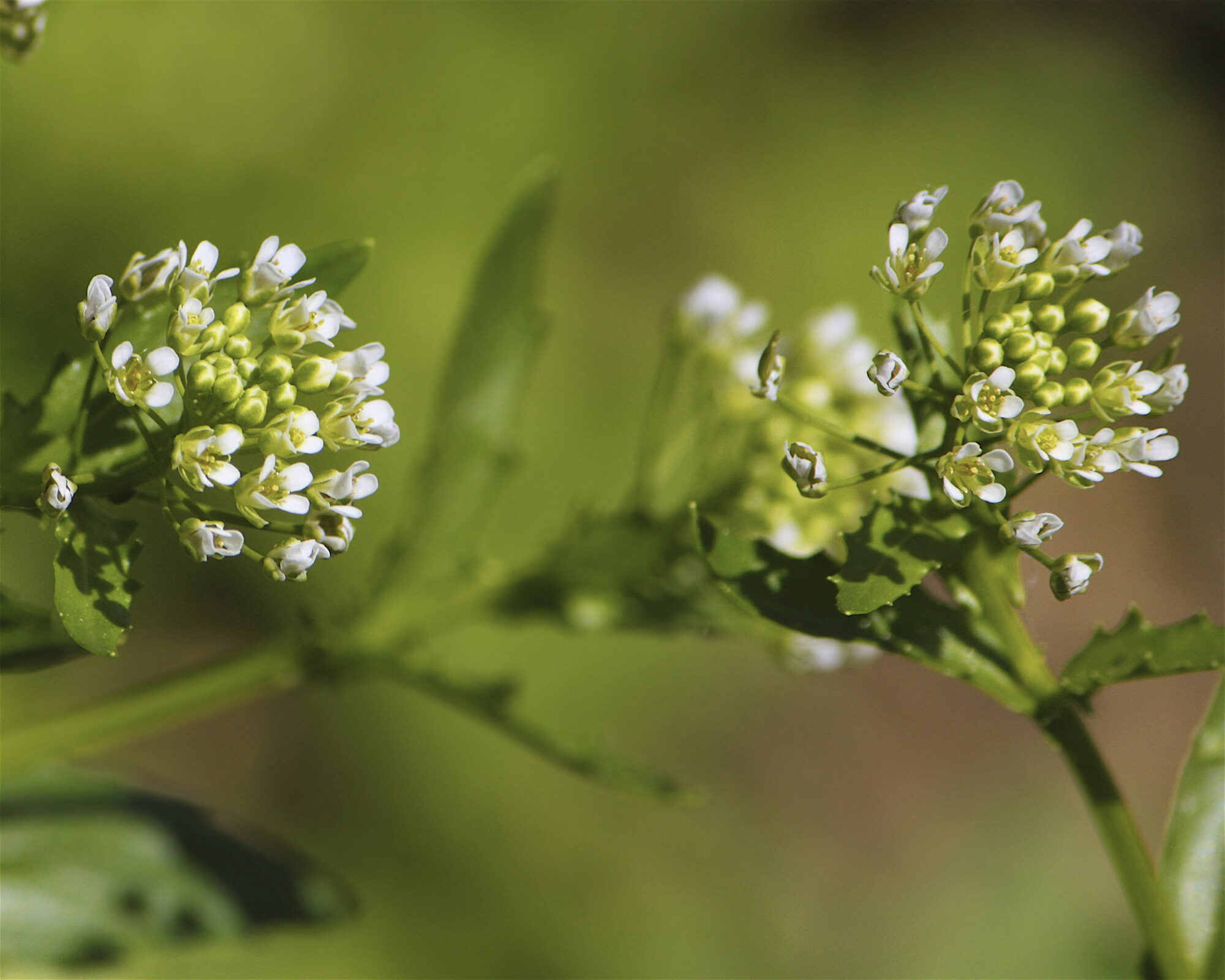
Minnesota is a strong candidate to become a hub for SAF production. We have a rich supply of potential feedstocks, including winter annual oilseeds like camelina and pennycress that can be grown in farmland in the off-season. We have an existing rail network capable of moving fuel efficiently, existing blending facilities that are being adapted to produce SAF, and a motivated buyer right in our backyard: Delta Air Lines, which operates a major hub at Minneapolis-Saint Paul International Airport. Add in interested partners like Ecolab, Cargill, and Xcel Energy; international plane makers like Airbus; and strong environmental and clean energy standards, and it’s clear that Minnesota has a rare combination that could make our state a national model for how to build this new, sustainable industry responsibly.
The Minnesota Legislature passed incentives for cleaner SAF pathways this year
Fresh Energy knows the importance of equitable, bold policy to advance clean technologies in Minnesota. We helped advocate for Minnesota’s 100% clean electricity law, which is guiding our state decarbonize our electricity sector (which is already halfway decarbonized) by 2040. More recently, we’ve been deeply engaged in shaping SAF policy at the State Capitol, managing stakeholder conversations, and helping steer legislation to ensure Minnesota’s SAF policy the cleanest, most responsible fuel pathways.
We have focused on ensuring policy incentives support the cleanest SAF fuel pathways, especially what’s called “Power-to-Liquid” or “e-fuel,” which is made by using renewable electricity to split water molecules and then combining the resulting hydrogen with captured carbon dioxide to create SAF.

Unfortunately, the previous SAF production tax credit that passed in 2024 primarily focused on bio-mass, crop-based fuels, and did not clearly allow non-biomass-based SAF to qualify for the production tax credit. While biomass-based pathways have a role to play in the near-term to build the SAF industry and decarbonize aviation fuel, we also need to allow SAF pathways like “Power to Liquid” – which require more time and investment to commercially develop – to access state incentives.
Fresh Energy successfully advocated in the spring of 2026 to broaden SAF production tax credit eligibility to include Power-to-Liquid. This approach holds the greatest potential to reduce lifecycle carbon emissions – over 90% fewer emissions than traditional jet fuel — and we need it to be part of the SAF ecosystem here in Minnesota if we want to build a sustainable, long-term SAF economy here.
Through a broad coalition of business, environmental, agriculture, and labor interests, and strong support from lawmakers in the Minnesota House and Senate from both parties, other improvements to the previous SAF policy were also successfully passed, including stronger environmental guardrails; additional tax credit funding for SAF with better “carbon intensity” scores, up to an additional $1/gallon on top of the baseline $1/gallon credit; extension of the tax credit out to 2035; and additional funding added to the tax credit for those remaining years. The timing could not have been better, given a reduction in the federal SAF tax credit in 2025 from $1.75/gallon to $1/gallon and a new SAF blending facility opening this year.
SAF has genuine bipartisan support in Minnesota. This cross-aisle interest has allowed Fresh Energy to build new relationships, bring new stakeholders to the table, and grow momentum for a promising clean technology that’s poised to scale and grow Minnesota’s carbon-free economy.
Using green hydrogen to produce Sustainable Aviation Fuel is a climate solution
As Minnesota looks to grow Power-to-Liquid fuel pathways to power aviation more sustainably, green hydrogen is a key technology to make it a reality.
Green hydrogen is made by using renewable electricity — which Minnesota has a lot of — to split water molecules into hydrogen and oxygen, a process called electrolysis. (One Minnesota company operates a factory building these electrolyzers to produce green hydrogen.) That hydrogen can then be combined with captured carbon dioxide from industrial processes like cement or steel production (called “point-source emissions”) or from the ambient air via direct air capture (called “indirect emissions”). The result is a liquid hydrocarbon, which is refined into SAF.
Fresh Energy supports using green hydrogen to produce SAF in Minnesota because it’s one of the cleanest, most scalable pathways. It has an ultra-low lifecycle carbon intensity score, which makes it one of the most climate-friendly aviation fuels available. It’s also a “drop-in” fuel, meaning you can fill up existing jet engines without any modifications — which makes it much quicker (and cheaper) to scale since it utilizes existing airport infrastructure.
As nascent technologies, Power-to-Liquid and green hydrogen are more expensive to make and use in SAF than other feedstocks and have a longer commercialization horizon, making the tax credit for cleaner SAF fuels and timeline extension included in this year’s update to our SAF production tax credit especially crucial.

Green hydrogen is a promising technology beyond the aviation industry, too — it can be used to clean up Minnesota’s steel manufacturing, ammonia production, and other industrial processes that Minnesota is beginning to target for decarbonization. By investing in green hydrogen now, Minnesota can grow the production base we need to decarbonize sectors that were previously hard to abate — like aviation, marine, and industry — that we are now capable of decarbonizing.
This isn’t completely new. Several Power-to-Liquid SAF facilities are already operating in Europe, and the U.S. has already proved the technology works through several pilot projects. Minnesota has begun using green hydrogen for green ammonia, a clean technology that will help decarbonize our heavy industry and agriculture sector. By ensuring Minnesota’s policy incentives support developing a local green hydrogen market, we can attract new investments that ensure our state benefits from this exciting clean technology. Policy support has already helped us make wind and solar a clean and affordable backbone of our power sector; it can similarly be used to help scale green hydrogen and SAF to decarbonize our transportation and industrial sectors, too. This policy support is essential to meet our state’s climate targets.
What’s next?
Fresh Energy is advocating for bold policy solutions to advance green hydrogen and SAF and engaging in stakeholder discussions to build support for the industry. Anjali Bains, our managing director, transportation, and Brandon Isakson, managing director of heavy industry and agriculture, are hard at work with partners and at the Minnesota Legislature advancing these new technologies.
Minnesota has a critical opportunity to build an equitable, clean technology that can benefit underserved communities, create economic growth for communities throughout our state, and reduce GHG emissions to mitigate climate change. Fresh Energy is ensuring SAF market development will prioritize the cleanest pathways for SAF in an equitable and responsible manner to ensure Minnesota creates a just, decarbonized future.