
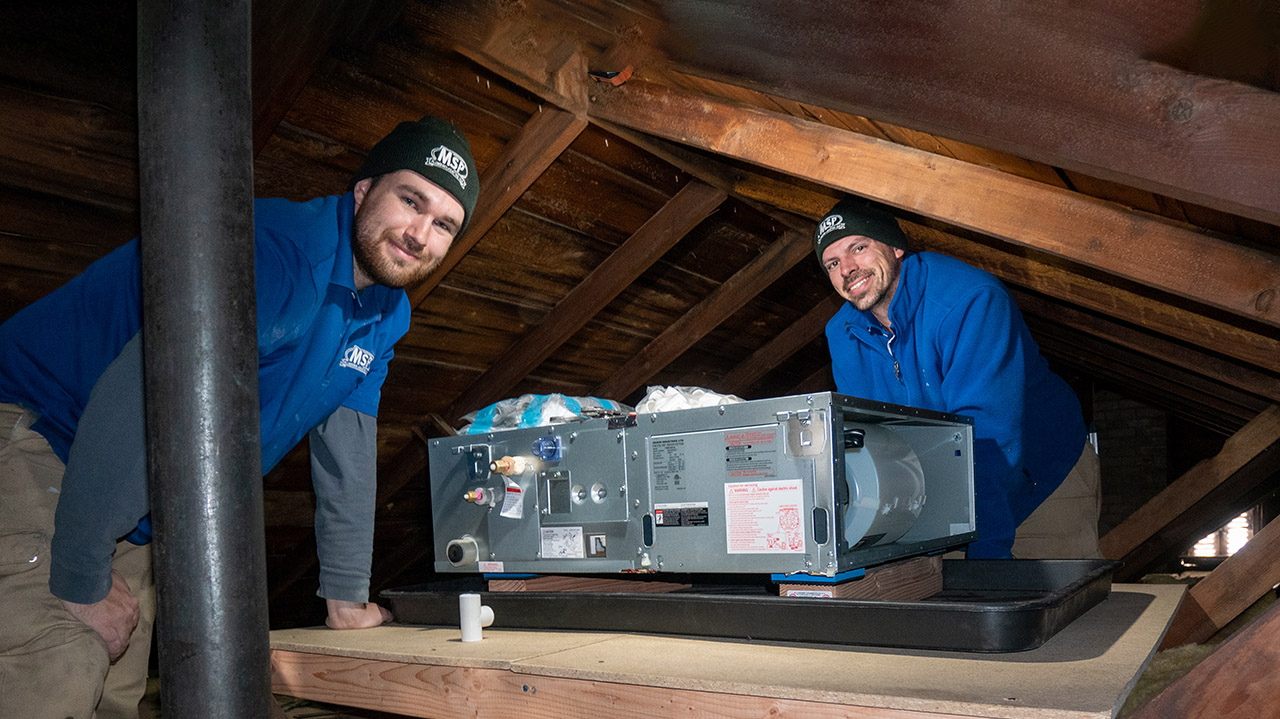
Fresh Energy has filed comments with the Minnesota Department of Commerce on five utilities’ proposed 2027-2029 Energy Conservation and Optimization (ECO) Triennial Plans, namely Xcel Energy, CenterPoint Energy, Minnesota Power, Otter Tail Power, and Minnesota Energy Resources Corporation (MERC). These filings are an important opportunity for Fresh Energy to influence ratepayer-funded investments in energy efficiency, electrification, and load management that Minnesota utilities will make over the next three years.
The ECO program requires investor-owned utilities to file Triennial Plans every three years. The latest plans were filed earlier this summer, launching the current public comment process. Background on the Triennial review process is available in our July 2026 blog post, “Minnesota’s 2027-2029 ECO Triennial review process is underway,” and the background on this year’s ECO framework updates is available in “Minnesota improves ECO to advance electrification, efficiency, and equity ahead of filings.”
Fresh Energy’s comments on each of the five plans recognize strengths in the proposed portfolios while identifying gaps and opportunities to better align ECO investments with Minnesota’s energy and climate targets. Across the filings, we emphasize the importance of expanding heat pump adoption, weatherization, electric vehicles, and other efficient electrification opportunities, while shifting ECO funding away from natural gas equipment and toward measures that provide greater energy savings and long-term customer benefits, as well as strengthening utility program design and implementation.
Xcel Energy (Docket No. E,G002/CIP-26-110)
Xcel’s proposed Triennial Plan includes nearly $193 million in combined electric and gas efficient fuel-switching investments over the next three years, growing from 16% to 24% of the electric portfolio and from 31% to 39% of the gas portfolio between 2027 and 2029. Xcel’s actual spending on efficient fuel-switching has also exceeded its projected budgets in both 2024 and 2025, indicating strong customer interest in efficient electrification and underscoring the importance of ensuring investments can keep pace with growing demand.

In our comments, Fresh Energy recommended that Xcel continue expanding these investments as customer demand for heat pumps and other electric technologies grows. Our comments further recommend strengthening incentives that pair heat pumps with insulation and air sealing, ensuring rebate levels and customer programs support heat pump adoption, completing the transition from central air conditioner rebates to heat pump incentives, and continuing to reduce natural gas furnace incentives. We also recommend expanding cost-effective electrification in multifamily and income-qualified programs and supporting emerging technologies, including air-to-water and window-mounted heat pumps and thermal energy storage, as they become commercially available.
Fresh Energy is generally supportive of Xcel’s demand response programs, noting excitement for the revived Custom Load Management product for its load-shifting opportunities and its focus on energy storage, including battery storage where cost-effective, in equipment upgrades. Fresh Energy was also pleased to note that battery storage was not limited to the Custom Load Management product, but that Xcel is launching Battery Connect — a new program for battery energy storage systems (“BESS”) with revised “incentive mechanisms to better align with programs at peer utilities.” As we discussed in our initial comments, we hope Xcel’s “decision to remove the 50kWh cap on battery size […] will accelerate program deployment across Xcel’s service territory by enabling customers with existing BESS that are larger than that initial cap to participate. Battery Connect is an important step toward building out distributed energy resources (DERs) within Xcel’s system and to meet Minnesota’s decarbonization goals.”
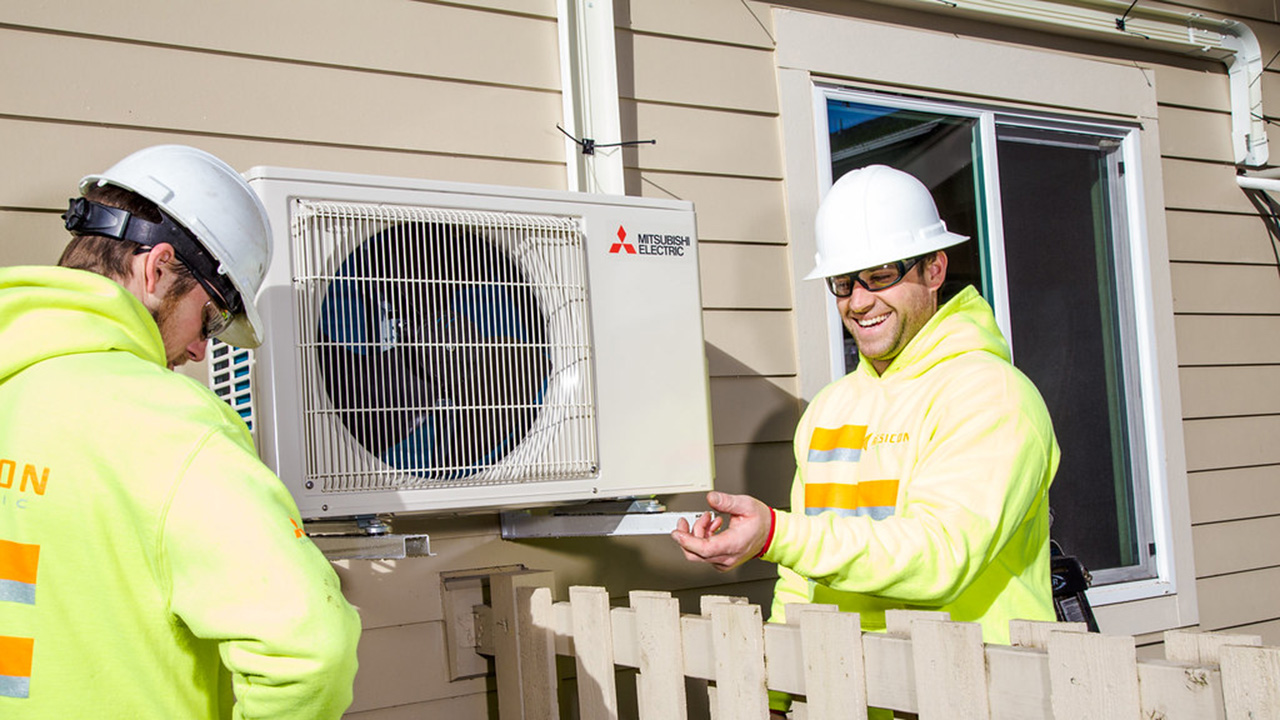
Fresh Energy also filed comments with a coalition of our clean transportation partners where we recommend that the Department approve Xcel’s proposed Commercial Electric Vehicle Infrastructure (CEVI) Rebate Program. This program would create rebates for electric vehicle chargers for multifamily buildings and commercial fleets as well as for public charging stations. While these investments are much needed, Fresh Energy made several suggestions to improve equity and reach of these programs.
Our top priorities for improvements are adding a rebate tier for Level 1 chargers for multifamily buildings, expanding the higher equity-eligible rebate to be more inclusive of all underserved groups, and expanding equity-eligible rebates to public entities, such as transit providers and Evie Carshare. We also recommend a more rigorous methodology for calculating the fuel-switching savings from this program, and we encourage Xcel to pursue direct EV purchase rebates as Minnesota Power and Otter Tail Power have already done.
CenterPoint Energy (Docket No. G008/CIP-26-93)
CenterPoint’s proposed Triennial plan continues to direct significant ratepayer funds toward gas furnace rebates and other gas equipment incentives, while proposing relatively limited opportunities for heat pumps and other efficient fuel-switching measures. Fresh Energy supports several of CenterPoint’s proposed enhancements to weatherization and income-qualified programs, including expanded weatherization measures, increased cost-sharing, and efforts to reduce barriers to participation.
Fresh Energy recommends strengthening CenterPoint’s efficient fuel-switching investments and shifting ECO funding toward measures that provide greater energy savings and long-term customer benefits. Our comments recommend eliminating rebates for lower-efficiency gas furnaces, reducing rebates for higher-efficiency gas furnaces, and redirecting trade ally incentives from established gas appliances toward heat pump technologies where market barriers remain. We also recommend increasing the bonus for pairing weatherization with heat pumps, expanding heat pump opportunities in residential, income-qualified, and multifamily programs, and revising hybrid heating incentives so that ECO investments and savings reflect the portion of projects that actually advances fuel switching.
Minnesota Power (Docket No. E015/CIP-26-91)
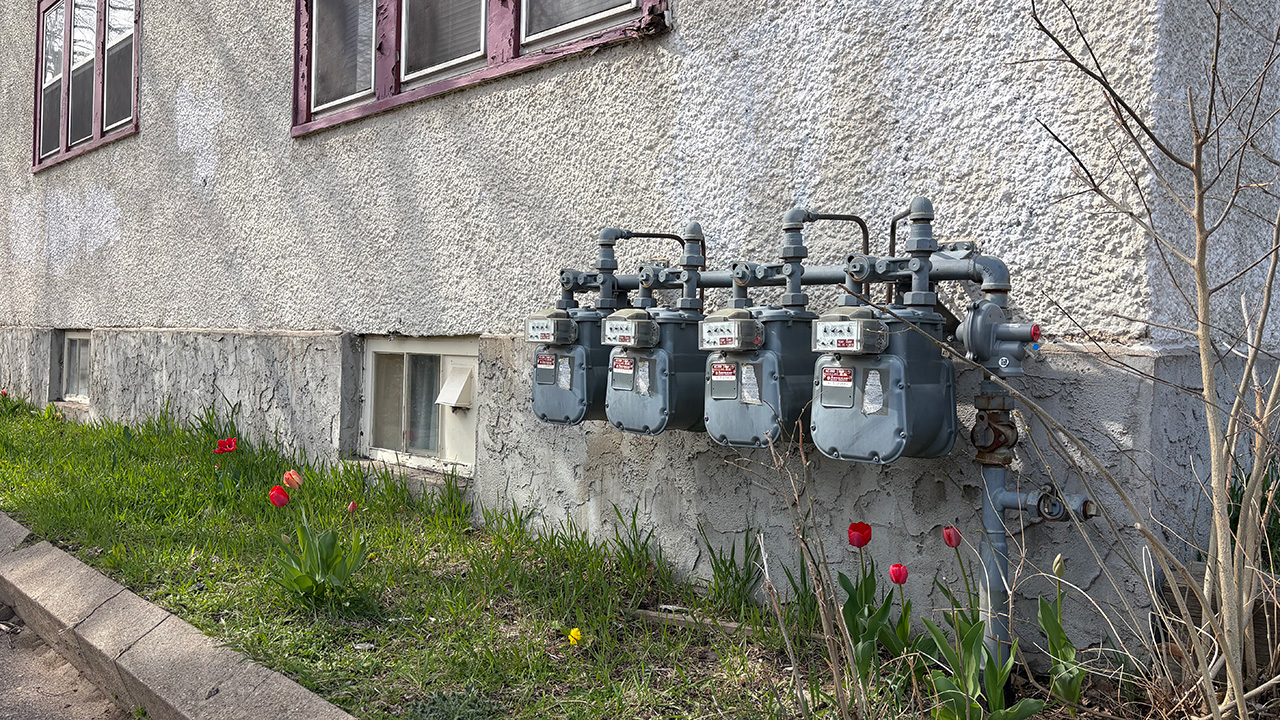
Minnesota Power’s plan reflects the company’s first full triennium of efficient fuel-switching across its residential, multifamily, business, and income-qualified portfolios, with about 7% of its total ECO budget dedicated to efficient fuel-switching. Fresh Energy supports this expansion and encourages Minnesota Power to continue expanding these investments as customer demand, contractor capacity, and market familiarity grow.
We also recommend strengthening pathways for comprehensive electrification, including by pairing weatherization with heat pump installations, ensuring sufficient pre-weatherization support for income-qualified households, and continuing to evaluate emerging technologies that can expand access to electrification. Minnesota Power should also begin phasing out central air conditioner rebates in favor of cold-climate heat pumps and continue integrating heat pumps and other flexible electric technologies with its load management programs.
Fresh Energy and our clean transportation partners also filed comments recommending the Department approve the utility’s Triennial Plan, while also recommending that the utility work with stakeholders to improve existing efficient fuel-switching rebates. Minnesota Power started offering e-bike and EV rebates through ECO earlier this year. It is heartening that Minnesota Power has proposed nearly doubling their EV incentive from their initial offering, but we still think there’s room for improvement, particularly for underserved and low-income customers. Minnesota Power’s proposed EV rebates ($1,250-1,600 for new EVs, $750-1,000 for used EVs) remain significantly lower than those proposed by Otter Tail Power ($5,000 for new EVs, $2,500 for used EVs). EV rebates like this can help overcome the slightly higher price tag of these vehicles and help folks more quickly realize EVs’ cost saving potential.
Otter Tail Power (Docket No. E017/CIP-26-92)
Fresh Energy and our coalition of clean transportation organizations filed comments recommending the Department approve the utility’s Triennial Plan, calling its expanded scope and scale of electric vehicle and charger rebates a welcome sign of progress. We supported their proposed increase in EV rebates from $3,000 to $5,000 for a new EV and $1,500 to $2,500 for a used EV, as well as its proposed rebates for electric school buses and leased vehicles. Otter Tail Power also continued its innovation in this ECO Triennial by offering rebates for some super fun commercial electric vehicle types, including street sweepers, garbage trucks, and other medium- and heavy-duty vehicles.
Minnesota Energy Resources Corporation (Docket No. G011/CIP-26-96)
MERC’s Triennial plan proposes adding air-source heat pumps to multiple residential, low-income, commercial, and industrial programs. Fresh Energy supports this expansion but recommends that MERC prioritize electric heat pumps and weatherization over continued investment in gas equipment. Our comments raise the concern that a significant share of MERC’s efficient fuel-switching incentives may flow toward replacement gas furnaces rather than the heat pump itself in dual-fuel installations.
We recommend that MERC strengthen its heat pump incentives, including a higher incentive tier for cold-climate heat pumps and additional incentives for customers who pair heat pumps with weatherization. We also recommend allowing heat pumps to qualify when paired with existing furnaces, removing proposed rebates for natural gas heat pumps, and phasing out trade ally incentives for residential gas appliances.
What’s next?
Fresh Energy looks forward to engaging further in these dockets as the Minnesota Department of Commerce reviews the proposed plans and considers stakeholder recommendations. Staff’s Proposed Decision on these Triennial plans is expected October 16, followed by stakeholder comments on November 2 and the Assistant Commissioner’s final decision on November 20.
The Minnesota Public Utilities Commission will also hold a planning meeting on September 22, 2026, to discuss the review of utilities’ ECO Triennials. Fresh Energy will present at the meeting alongside several of our partners.
Stay tuned for updates as this process continues.