
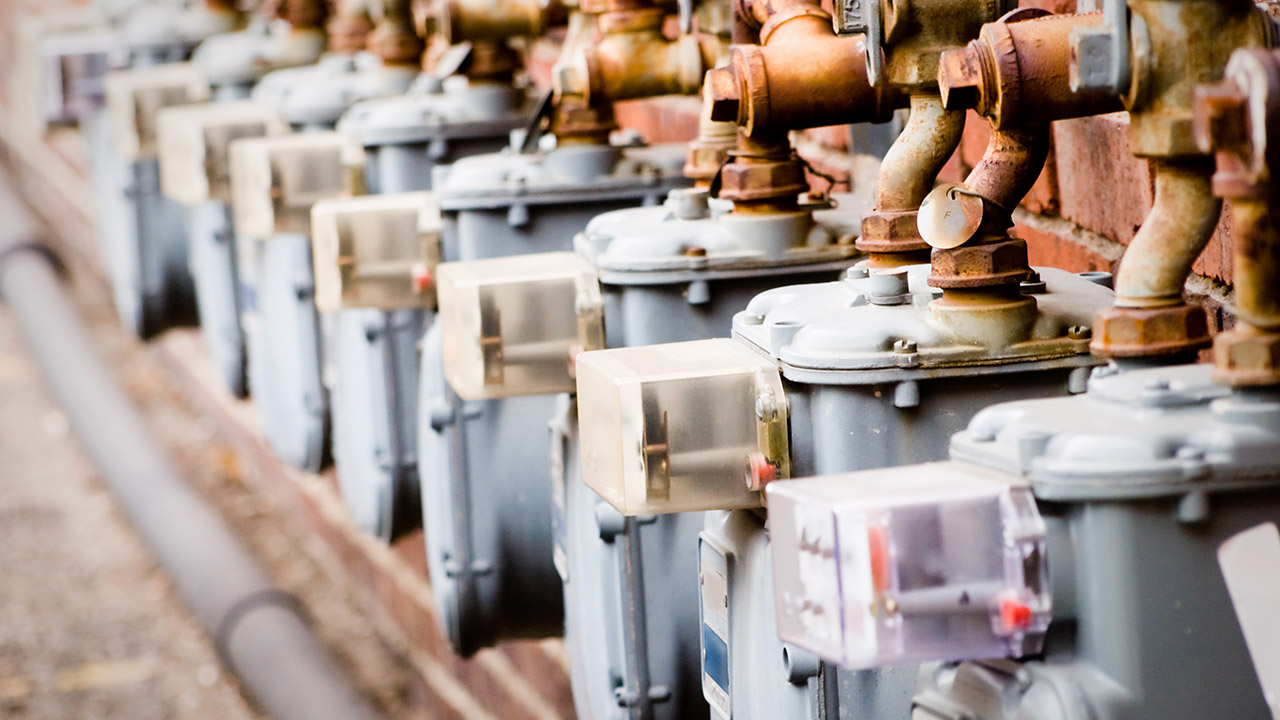
Minnesota’s buildings are the fastest-growing source of greenhouse gas (GHG) emissions in the state. Emissions from the commercial and residential sectors are up 48% and 38%, respectively, and are expected to grow. As Fresh Energy works to equitably transition Minnesota’s economy to clean energy, a key opportunity is changing the way we heat our homes and businesses from furnaces and boilers that burn natural gas, propane, or other fossil gases to clean technologies like heat pumps, geothermal systems, thermal energy networks, and more.
Fresh Energy’s Buildings team works with Minnesota regulators, utilities, and various stakeholders to implement Minnesota’s transition to more efficient, carbon-free buildings that utilize cleaner heating systems. We provide future-focused research and evaluation, vision, and transitional solutions to Minnesotan investor-owned utilities and regulators by engaging in various processes, frameworks, and dockets.
There are many different opportunities to reduce emissions in Minnesota’s gas distribution system through regulatory processes, and keeping them all straight can be difficult. This post will outline the key gas regulatory processes in Minnesota and how Fresh Energy engages in them to advocate for a clean energy transition.
Natural Gas Innovation Act plans
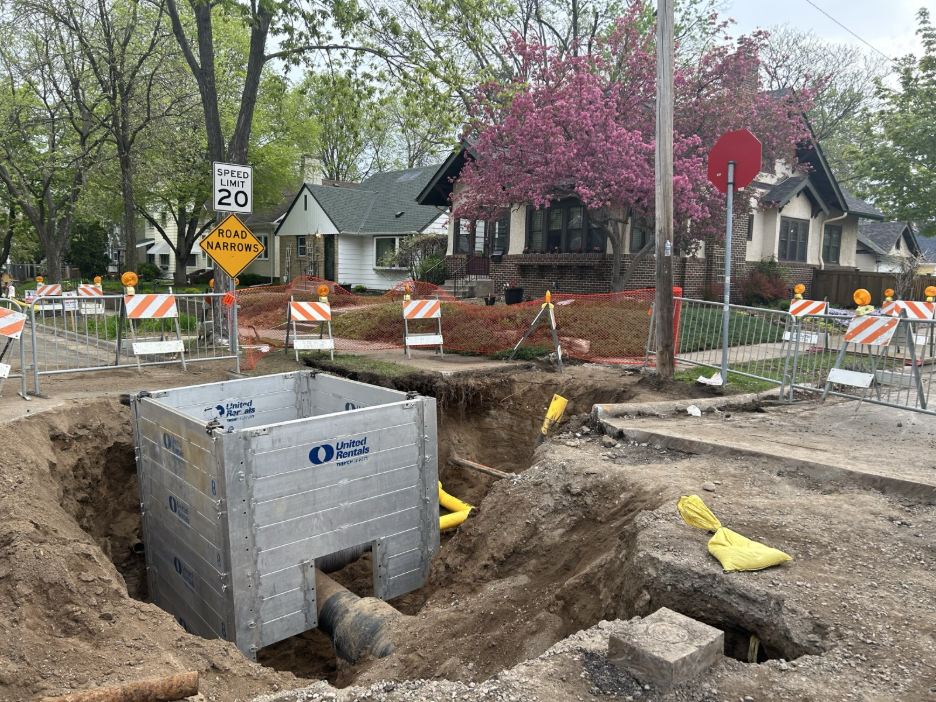
Natural Gas Innovation Act (NGIA) plans allow gas utilities to pilot alternative lower-emission resources than gas, such as geothermal systems, thermal energy networks, or renewable natural gas. The bipartisan NGIA, advocated for by Fresh Energy, passed the Minnesota Legislature in 2021, and helps Minnesota gain a deeper understanding of the role of natural gas and dual-fuel utilities as the state decarbonizes its economy.
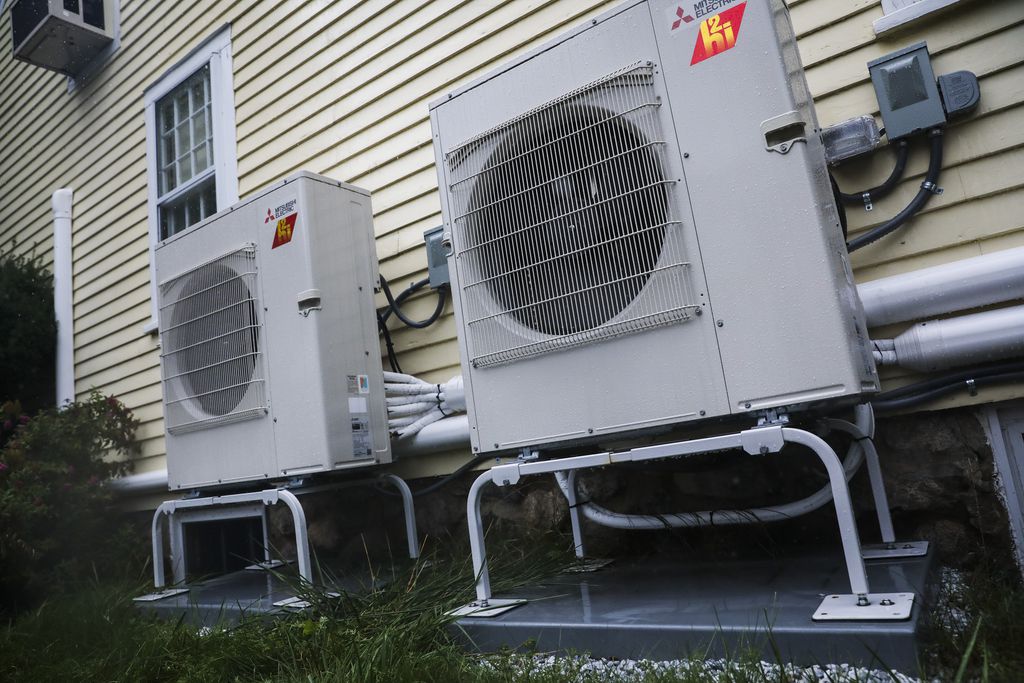
The NGIA allows utilities to propose “innovation plans” with the Minnesota Public Utilities Commission (PUC, or Commission) to advance a diverse range of measures and technologies that will contribute to decarbonization — like the deployment of strategic electrification including cold climate air-source heat pumps, carbon-free ground-source district energy systems, and energy efficiency measures.
When filing an innovation plan, a utility is required to also submit a “utility system report and forecasts,” detailing infrastructure characteristics, projected capital and fuel investments, carbon emissions, and incentive programs with respect to natural gas. This data will equip the Commission to evaluate a utility’s innovation plan in the context of its other planned investments and activities related to natural gas.
Fresh Energy plays a leading role in implementing and strengthening the NGIA at the Commission through formal regulatory proceedings. We actively engage in NGIA Innovation Plan dockets for both Xcel Energy and CenterPoint Energy, reviewing proposed pilot portfolios and pushing for greater emphasis on building electrification, energy efficiency, and geothermal solutions — including thermal energy networks — over natural gas alternatives such as renewable natural gas (RNG) or hydrogen blending.
Energy Conservation and Optimization Triennial plans
Minnesota’s Energy Conservation and Optimization (ECO) framework and programs are about energy efficiency and strategic electrification, helping Minnesotans use less energy overall and switch to electric technologies when it makes sense. ECO Triennials are the successor to Minnesota’s long-running Conservation Improvement Program (CIP), updated in 2021, and have increased funding for under-resourced households to make energy efficiency improvements. It also helps optimize energy use and delivery through load management and efficient fuel-switching programs.
Gas utilities must file their “ECO Triennial Plans” every three years to the Minnesota Department of Commerce, Division of Energy Resources. Through comments, testimony, stakeholder processes, and coalition work, Fresh Energy has advocated for modernizing utility efficient programs to center efficient electrification rather than fossil-fuel equipment. This includes phasing out outdated gas appliance rebates in favor of electric heat pumps, expanding programs that enable under-resourced households to weatherize and adopt clean heating technologies, and designing incentives that align with Minnesota’s climate goals.
By engaging in ECO Triennials, Fresh Energy advocates for strong alignment with Minnesota’s policy goals of reducing emissions, improving affordability, and advancing equity.
Gas Integrated Resource Plans
Gas Integrated Resource Plans (IRPs) outline how large gas utilities forecast their future needs and identify the most affordable, reliable, and climate-aligned mix of energy sources. While electric utilities have long filed their own IRPs, gas utilities began filing their IRPs in 2026, and they’re a step toward smarter, fairer, and more transparent gas utility regulation.
Minnesota’s three largest gas utilities — Xcel Energy, CenterPoint Energy, and Minnesota Energy Resources Corporation (MERC) — will now file detailed gas IRPs every three years with the Minnesota Public Utilities Commission. These gas IRPs forecast future demand and evaluate resource mixes to meet that demand, assess how the utilities are preparing for price volatility, and, crucially, examine how resource plans align with Minnesota’s climate targets.
Fresh Energy and our partners helped advocate for the Commission to establish gas IRPs to identify the resources that gas utilities need to provide reliable service, protect consumers from volatile fossil fuel markets, and prepare for a decarbonizing economy. We engage in gas IRP proceedings by working with utilities and stakeholders to advocate for gas IRPs to align with state greenhouse gas emissions reduction goals, account for declining gas usage as buildings electrify, and consider non-pipeline alternatives (NPAs) and demand-side strategies before committing to costly new gas infrastructure.
Future of Gas docket
The Future of Gas proceeding at the Minnesota Public Utilities Commission examines the long-term role of gas utilities in a decarbonizing energy system — addressing questions of affordability, equity, and stranded assets. This docket at the Commission was established through the NGIA in 2021, thanks in part to advocacy by Fresh Energy.
Fresh Energy’s first comments in this docket in 2022 proposed a three-phase roadmap for the Future of Gas docket, including addressing the current natural gas regulatory system, how forward-looking investigation and technical workshops could reduce emissions, and implementing the best policies and pathways to meet or exceed Minnesota’s GHG reduction targets. More recently, Fresh Energy and partners filed extensive comments and expert analysis in the docket urging the Commission to phase out outdated gas line extension allowances that subsidize the expansion of the gas distribution system.
Gas rate cases
Minnesota has long regulated the rates that gas utilities can charge their customers for services. The modern utility regulation we know today was established in 1974 when the Commission began regulating natural gas rates.
We like to use a pie analogy when talking about rate cases. First, the size of the pie, technically known is the “revenue requirement,” is the amount of money a utility claims it needs to cover expenses and cover a financial return. Second, a utility proposed the size of its slices as different customer classes, like residential customers or industrial customers, and charges different rates to different classes. The Commission regulates both the size of the pie (the costs the utility may cover) and the size of the slices (which customer classes pay for how much).
Some gas utilities also use a rider called the Gas Utility Infrastructure Cost (GUIC) rider to recover the costs of certain gas infrastructure replacement projects through an expedited review process outside of a traditional rate case. Fresh Energy and our partners have voiced concerns that this process results in a less comprehensive review of the need for those investments and their costs to customers.
Fresh Energy has intervened in gas rate cases in the past to evaluate utilities’ policies and investments related to gas system expansion and replacement, including line extension policies.
What’s next?
Fresh Energy has been advocating for an equitable clean energy transition in Minnesota for 35 years. Our staff experts file comments, provide testimony, and advocate for an equitable, affordable, and reliable clean energy transition as we engage with utilities, public agencies, local governments, and Minnesotans themselves to ensure our state enjoys good health, a vibrant economy, and thriving neighborhoods for generations to come.