

Note: The current status of many of the programs described below is an evolving situation. We will endeavor to keep this post up to date as new information becomes available.
▶️ Tune into the recording of a Fresh Energy webinar on this topic hear Fresh Energy experts discuss how this new law impacts the energy transition.
Until recently, the American economy has benefited from federal legislation that advances our country’s clean energy future while also addressing the climate crisis.
Successfully implemented laws like the Infrastructure Investment and Jobs Act (IIJA) in 2021 and Inflation Reduction Act (IRA) in 2022 put the country into high gear, incentivizing large-scale clean energy development and innovation, creating and expanding financial incentives for property owners interested in electrification and energy efficiency, stimulating the growth of the country’s electric vehicle (EV) market, expanding innovation on emerging areas like green hydrogen and geothermal, and beyond.
However, on July 4, 2025, this progress and potential was halted when the federal budget reconciliation bill, also known as H.R. 1, was signed into law. The law, which prioritizes tax cuts for the wealthy at the expense of programs and services that support vulnerable populations, also includes devastating cuts to existing clean energy and clean technology programs and incentives. It is clear that these changes will unequivocally harm Minnesota’s economy, increase the cost of living for Minnesotans, lead to job cuts, negatively impact Minnesotan’s ability to participate in the workforce, and significantly impact the state’s burgeoning clean energy sector.
At Fresh Energy, we know that achieving the greenhouse gas emissions reduction necessary to avoid the worst impacts of climate change means that we must move away from fossil fuels. Fresh Energy works toward our mission by advancing policy change focused on equitably decarbonizing five key areas of the economy: electricity, buildings, transportation, heavy industry, and agriculture. (You can learn more about our approach to this work in Vision 2030: Fresh Energy’s Strategic Framework.) So, when we analyze this new law, we look at it through the lens of how it will impact these key areas of organizational focus.
The full implications and ripple effects of this damaging law are yet to be truly seen — especially when you consider that it also highly incentivizes fossil fuels — but what we do know now is that the cuts will ensure higher energy bills for Minnesotans, fewer jobs, and stifled innovation. Here is what Fresh Energy staff have been discussing when reviewing the new law:
Impact on clean electricity generation
The reconciliation law will dramatically reshape the clean energy finance landscape, particularly for large-scale wind and solar projects, by modifying the technology-neutral production and investment tax credits (sections 45Y and 48E of the U.S. tax code).
The law requires wind and solar projects to either begin construction by July 4, 2026, or be placed in service by the end of 2027 to receive the tax credits.1 While battery storage projects that begin construction before 2033 will remain eligible for both the production and investment tax credits, the new Foreign Entity of Concern (FEOC) provisions will limit how many projects qualify for the credits.
To date, these tax credits have played a major role in driving investment in big clean energy projects in Minnesota and across the country. Without them, many experts expect a dramatic decrease in clean energy investments. One report estimates Minnesota will install 2 gigawatts (GW) less cumulative new clean energy capacity by 2030 and 3.9 GW less by 2035 than it would have with the tax credits in place.2
With less low-cost clean energy on the grid, utilities may rely more heavily on fossil fuel plants to meet growing energy demand. In addition to emitting climate change-causing greenhouse gases, these plants are more expensive to operate than renewables. As demand increases, fossil fuel prices are likely to rise, putting consumers on the hook for increased fuel costs. Minnesota households would see an estimated $230 increase per year in household energy spending in 2030 and $640 per year by 2035.3
Geothermal power and nuclear power are not mentioned directly in the law, but the ripple effect of tariffs on key materials like steel and aluminum, paired with FEOC provisions, could impact progress on these fronts as well.
A shining light for Minnesota is that the Minnesota Public Utilities Commission regulates the state’s investor-owned utilities and that the state has passed strong clean energy laws, including the 100% clean electricity law that commits all utilities to providing Minnesota customers with 100% carbon-free electricity by 2040 and a goal of net-zero emissions by 2050.
Fresh Energy’ staff are deeply engaged at the Commission on many regulatory dockets. We will work hard to continue presenting data-driven, technical expert testimony on all the dockets we work on, including those impacted by federal changes, as we strive to keep Minnesota on track to meet the state’s clean energy commitments and greenhouse gas reduction goals.
Impact on clean transportation
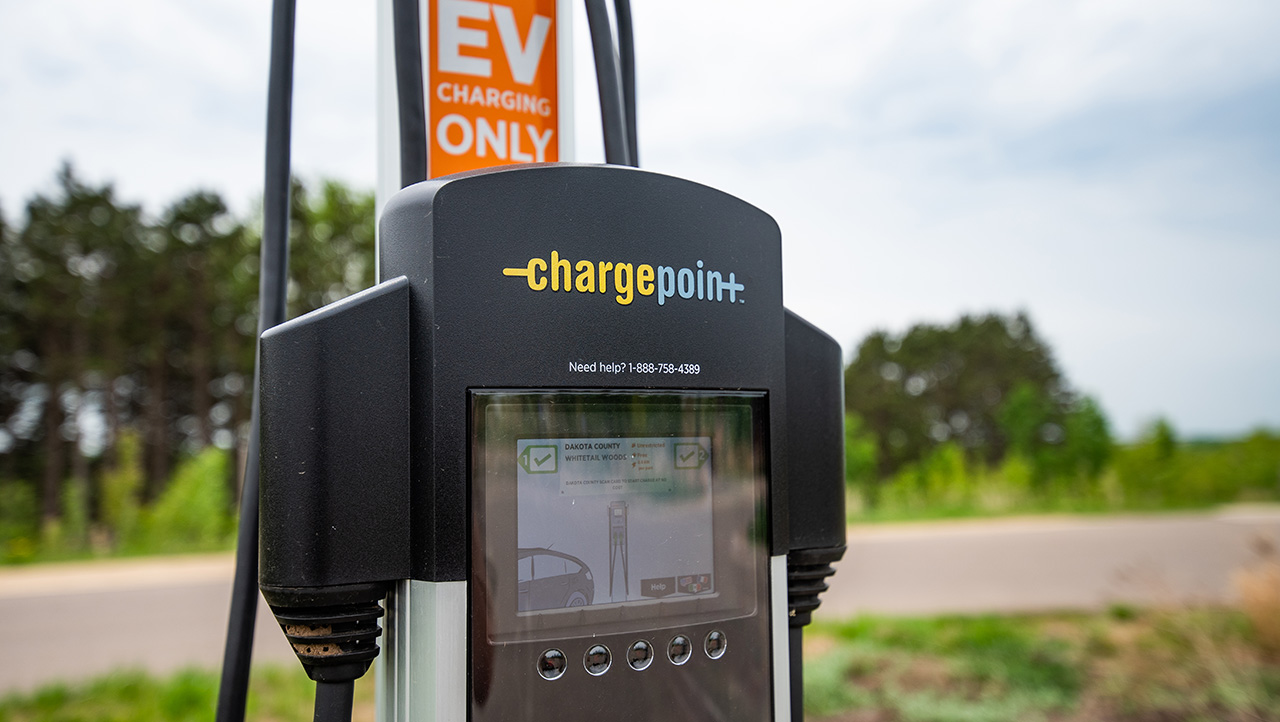
The federal budget reconciliation law walks back several incentives for domestic manufacturing and adoption of clean transportation technologies, including EVs. Most notably, Minnesotans will soon no longer be able to access certain tax credits that have made it cheaper to buy, lease, and charge electric vehicles.
The $4,000 used EV tax credit (25E) and the $7,500 new EV tax credit (35D) approved in the IRA were repealed and will no longer be available for vehicles purchased after September 30, 2025 — which means if Americans were planning to buying a new or used EV and want to claim the tax credit, they should make an EV purchase before the end of September. A tax credit for installing alternative fueling equipment, such as electric vehicle charging stations, will only be available until June 30, 2026.
Over the last three years, these tax credits have played a critical role in reducing the sticker price of EVs, which has dramatically accelerated their adoption in Minnesota. In 2024, 7.6% of new vehicle sales were electric in our state.4 Buying a federal tax-credit qualifying EV saves households between $3,000 and $8,000 over a seven-year period when compared to purchasing a comparable internal-combustion engine vehicle.5 Without the federal tax credit, these cost savings are almost all wiped out. Fresh Energy will be working hard to find other avenues to make sure that Minnesotans are adequately incentivized to make clean transportation choices.
There are several other provisions in the bill that will affect transportation in Minnesota. On the production side, Minnesota does not have any EV battery manufacturing plants,6 and is economically shielded from the adverse effects of the repeal of the 45X Battery Manufacturing Tax Credit. However, our state is home to several manufacturers of clean vehicles, such as the New Flyer bus manufacturing facility in Saint Cloud, as well as charger manufacturers, including Design Ready Controls in Albert Lea, ZEF Energy in Minneapolis, and EvoCharge in Eden Prairie. These facilities may face increased costs in their supply chains as well as reduced demand from potential buyers no longer able to apply for U.S. Environmental Protection Agency (EPA) Clean Heavy-Duty Vehicles Grants or Diesel Emissions Reduction Act grants, which were cut in the bill.7
Despite the loss of significant federal funding for the clean energy transition in our transportation sector, which will delay the shift to zero-emission vehicles, EVs will nonetheless continue charging ahead.
EV fast chargers funded through the National Electric Vehicle Infrastructure (NEVI) law (a part of IIJA) will be operational at 12 locations along I-94 and I-35 corridors later this year. We also hope to see utility companies, the state, and local governments double down on their transportation electrification investments to help maintain the rapid pace of decarbonization needed to avert the worst impacts of climate change.
In Fresh Energy’s view, Minnesota’s electric utilities will play an especially key role, as they prepare their two-year Transportation Electrification Plans this year, as well as state agencies looking to fulfill the goals of the Minnesota Climate Action Framework and private companies seeking to electrify their fleets.
Impact on buildings
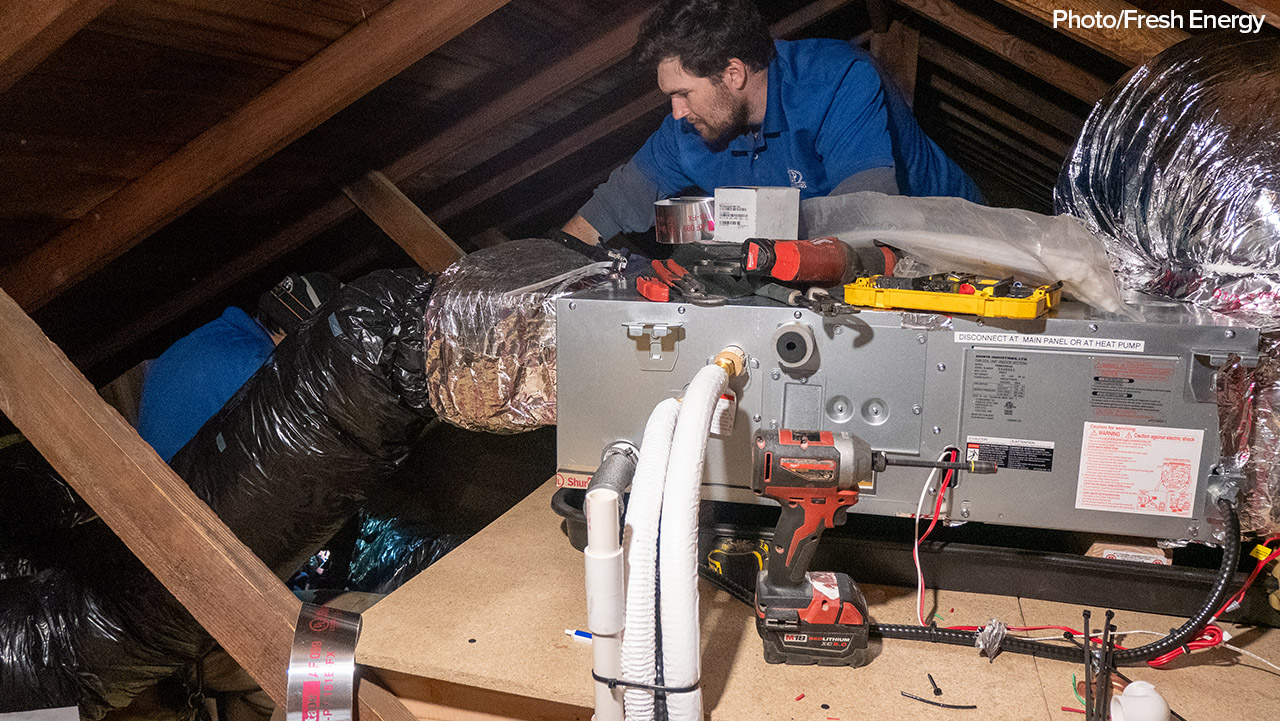
The reconciliation law cuts many incentives and supports for efficiency and electrification in buildings which will lead to less comfortable, less resilient homes, offices, and other buildings that are more expensive to heat and cool.
Tax credit rollbacks
The budget reconciliation law rolls back home efficiency and electrification tax credits for existing homes that were supercharged in the IRA by bringing to a swift end (by December 31, 2025) the Energy Efficient Home Improvement Credit (25C) and the Residential Clean Energy Credit (25D), previously extended through 2032 by the IRA.
The Energy Efficient Home Improvement Credit is worth up to $3,200 annually for homeowners making energy-efficient improvements including exterior doors, exterior windows, insulation and air sealing, home energy audits, heat pumps, heat pump water heaters, and more. In 2023, Americans claimed over $2 billion in credits, for an average tax relief of $880 per household. Millions of households have used the credit, which ACEEE estimates helps families save an average of $130 a year on energy expenses.
The Residential Clean Energy Credit is an uncapped tax credit worth 30% of the cost of projects like installing solar panels, geothermal heat pumps, battery storage, and beyond. According to the U.S. Treasury, American families claimed more than $6 billion in this credit in 2023.
To qualify for the Energy Efficient Home Improvement Credit, consumers will need to have placed that improvement into service by December 31, 2025; to get the Residential Clean Energy Credit, consumers will need to have spent money on that upgrade by December 31, 2025.
For residents who don’t get their own solar panels installed in 2025, there is an option: leasing panels from a company who can use the longer-running 48E credit which lasts through 2027.
Additionally, the law strikes tax credits for energy efficient commercial buildings and homes (179D, 45L), representing divestment and withdrawal from a commitment to making buildings more affordable to own and operate. This will ultimately reduce investment in the building sector, costing Minnesotans into the future.
For new homes, the New Energy Efficient Home Tax credit (45L) is cut short, ending in 2026 rather than 2032. This credit offers $2,500 for ENERGY STAR certified homes and $5,000 for Zero Energy Ready Homes. ACEEE found that in 2023, the 45L credit supported the construction of 350,000 efficient new homes, which will provide roughly $450 of energy bill savings per year, per home. To qualify, builders and developers will have to complete construction and have residences sold or leased before June 30, 2026, potentially pulling the rug out from under projects counting on the credit, but unable to meet this sudden deadline.
For commercial buildings, the Energy Efficient Commercial Buildings Deduction (179D) tax credit, which incentivizes efficient construction and renovation of commercial and large multifamily buildings, will expire after June 2026.
It’s important to note residents can still benefit from utility rebates to help purchase and install efficient upgrades and equipment. Minnesota’ ECO law requires individual utilities to design their own Energy Conservation and Optimization plans, so rebates vary by where you are. Look up your utility rebates here: Utility Rebates | Citizens Utility Board.
Impact on state rebates
State-run rebates for efficiency and electrification are a mixed bag. This includes the Home Efficiency Rebate Program (HOMES) and Home Electrification and Appliance Rebate Program (HEAR), as well as the Residential Heat Pump Rebate Program and Electric Panel Upgrade Program.
The state’s HOMES program and funding of approximately $55 million, which will provide rebates for whole-home energy saving improvements for single and multifamily homes, was conditionally approved by the U.S. Department of Energy (DOE). However, federal interference in this program’s “conditional approval” — as has been seen with other programs — has caused a delay in planning and launching the program. The state’s HEAR program and funding of approximately $55 million, which will provide rebates to income-qualified households to replace inefficient appliances with more efficient electric appliances (like heat pumps) and to upgrade a home’s electrical service, is still awaiting the green light from DOE to launch.
Thanks to proactive state legislation, Minnesota has critical funding for some state rebates that will provide additional funding for home electrification projects. In 2023, the Minnesota Legislature established the Residential Heat Pump Rebate Program and the Electric Panel Upgrade Program, and set aside state funding for them. These two programs have been appropriated a total of $19.5 million to date and are expected to be launched soon.
Even though the majority of consumer tax incentives are going away, all-electric appliances are increasingly affordable and competitive with older, gas-powered equipment. While federal rollbacks may slow the transition, Minnesotans are already installing more heat pumps, heat pump water heaters, insulation upgrades, and other efficient electric technologies and techniques. Slowly but surely, HVAC installers and other contractors are gaining excitement and expertise with this technology. While these cuts aim to curb the momentum for electrification, they will not undo the progress that has already been made and will continue to be made.
We anticipate that the federal budget reconciliation law as a whole will have a significant impact on the trades and industry workforce, as the sunsetting tax credits also slow spending on upgrades and better construction. One small silver lining: 529 education savings plans, previously only for college, can pay for career certifications, apprenticeships, and licensing programs, including HVAC training.
While these are substantial hits to building electrification and efficiency, Minnesota is a leader in sustainable building and still has many robust backstops that will help transition our buildings to clean energy. The momentum we have, to date, has created a wave of growth and investment that will continue to benefit Minnesota as we continue our state-level leadership in building efficiency and investment.
Additionally, while the federal government has backed off on its commitment to being a leading innovator in the buildings sector, other countries are charging forward on this path and will continue to advance clean heating and cooling technologies, lowering costs in the short-term while pivoting away from the manufacturing of legacy emissions producing systems in the long-term.
Impact on equity programs
A positive outcome is that the law actually strengthened the Low-Income Housing Tax Credit (LIHTC). State and local governments award this credit to developers on a competitive basis, often encouraging efficient, climate-smart construction with additional points, making this an important investment in affordable, efficient housing.
Additionally, a bedrock federal energy assistance program, the Low-Income Home Energy Assistance Program (LIHEAP) established in 1981, was not cut in the law. This program is crucial to reducing the energy burden for low-income households by providing direct financial support for energy bills.
As we push toward an equitable clean energy future, relieving high energy burdens for households across the state is a key priority to ensure energy is affordable for all Minnesotans.
Impact on heavy industry and agriculture
The Fresh Energy Industry team has been keeping a close eye on the 45V Clean Hydrogen tax credit, which was a key component of the IRA. By providing a credit of up to $3 per kilogram of clean hydrogen produced, it provides critical incentive for advancing clean hydrogen development in the U.S., with Minnesota being considered as part of a potential “Hydrogen Hub.”
Hard-to-abate sectors are not easily electrified, and they will rely on clean fuels, generated with renewable energy, to transition off fossil fuels. As such, hydrogen can play a significant role in introducing new industry opportunities in Minnesota, like Sustainable Aviation Fuel (SAF) and green ammonia production. It could also provide new opportunities for iron and steel, incentivizing co-located production facilities, and potentially encouraging clean steel manufacturing to move into Minnesota. Without incentivizing hydrogen production, these clean energy and economic opportunities will be less likely to move forward.
As written in the IRA, the 45V credit would have applied only to projects that begin construction before Dec 31, 2032. After passage of the federal reconciliation bill, the window of opportunity has been truncated by five years. Now, any project starting construction after December 31, 2027, will no longer be eligible for the credit. Although it is positive to see some continuation of the credit, rather than outright cancellation, the significantly reduced timeline will eliminate many viable projects from moving toward construction.
Green ammonia production is a good example of an industry opportunity for Minnesota that will be challenged by the 45V tax credit’s early expiration. Ammonia is required for fertilizer production, and although Minnesota is one of the largest ammonia consumers in the United States, we have no commercial production in the state. Instead, we spend $500 million – $1 billion annually importing ammonia from other states, mainly near the Gulf Coast, where it is predominantly produced with hydrogen made with fossil fuels. Additionally, farmers are subjected to volatile price swings, with over 75% of domestic production coming from four producers.
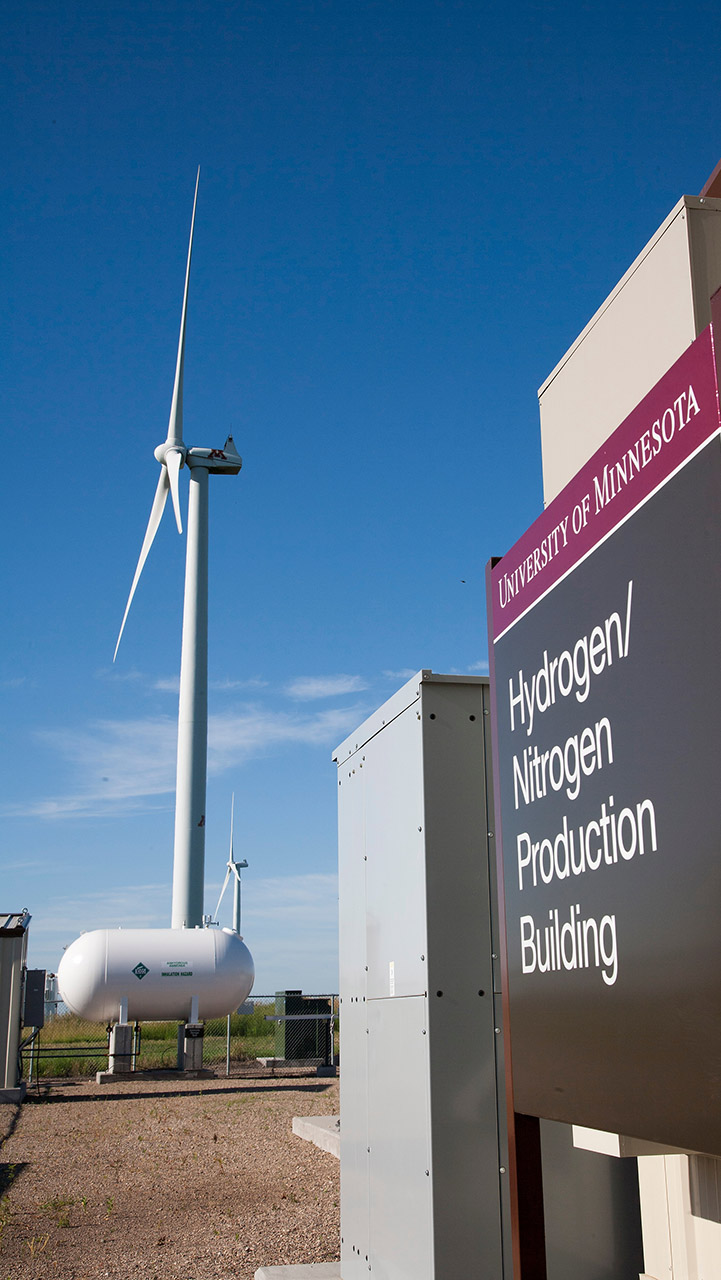
However, the University of Minnesota’s West Central Research and Outreach Center is a world leader in advancing “wind-to-ammonia” research. Their facilities are showcasing the opportunity to capture wind energy, use it to produce hydrogen through electrolysis, and then synthesize ammonia — all in a co-located facility.
Production costs are already shown to be at-or-near parity with conventional production, and studies suggest that localized green ammonia could be produced cheaper than conventional by 2030. Commercial pricing mechanisms also provide opportunities for local farmers to lock in steady rates and insulate themselves from extreme price volatility. As such, the technology has attracted commercial producers who aim to be early adopters, bringing distributed production closer to where the demand is, creating a more circular economy for rural Minnesota.
As 45V was originally written into the IRA, it provided enough time and incentive to encourage early adopters to invest in spaces like green ammonia. Unfortunately, with the new deadline for construction less than 30 months out, it will be nearly impossible for any new manufacturers to receive the credits, preventing a number of potential early adopters from moving forward.
While the 45Z Clean Fuel Production tax credit, which SAF qualifies for, was extended from 2027 to 2029, the SAF incentive amount was cut almost in half, from $1.75 per gallon to $1 per gallon. The federal tax credit provided the bulk of the financial incentives for producing SAF in the U.S., with our state tax credit layering on to bring that production to Minnesota. With the federal incentive diminished, and costs for renewable electricity likely rising as a result of this bill, the cleanest SAF fuel pathways such as “Power-to-Liquid” may face delays or higher costs on their path to commercialization, while Minnesota’s broader efforts to build a global SAF hub in the state could be adversely impacted.
The federal budget reconciliation law also made dramatic cuts to EPA program funding, rescinding all unobligated funds for nearly every program created through the IRA. With billions of dollars immediately rescinded, Fresh Energy has been closely watching to see which state-level programs may be impacted.
One program of importance for Minnesota’s industry is the EPA’s Climate Pollution Reduction Grants (CPRG), which was designed to distribute approximately $5 billion in clean energy funding to states, local governments, and tribal communities. Through the CPRG, the Minnesota Pollution Control Agency (MPCA) was set to be awarded $200 million, which was folded into a new program called Climate Smart Food Systems (CSFS).
Although all non-obligated CPRG funds were immediately rescinded, Fresh Energy is happy to confirm that the $200 million in CSFS funds are officially obligated, and the MPCA will be able to move forward with the program as planned. These funds will be critical for improving the carbon footprint of Minnesota’s food and beverage industry, which accounts for significant emissions throughout the state.
Impact on clean energy project funding
While “green banks” (like the Minnesota Climate Innovation Finance Authority, or MnCIFA), grant recipients, and project developers have been in litigation over frozen funds, Congress has severely impacted the financial and investor landscape for clean energy and climate friendly projects through the passage of the budget reconciliation bill. Since the passage of the IRA, the EPA and DOE have funded innovative projects, nascent technologies, and environmental justice initiatives through loans, grants, and tax incentives. The reconciliation law rescinds funds, retools requirements for greenhouse gas emissions reductions, and in the case of the Greenhouse Gas Reduction Fund, repeals the statutory authority of the program.
Among financing authorities being damaged by the federal budget, the DOE’s Loan Program Office is facing significant retooling of their loaning authority. Once a reliable partner in green capital, the federal budget rescinds funds appropriated for covering the costs of loan programs, curtailing investment in new clean energy and manufacturing projects.
Also cut deeply, nearly all IRA created or funded programs within the EPA have been rescinded. Including funds for methane reduction programs, environmental justice block grants, pollution monitoring, and many others. These cuts will stifle progress in environmental justice communities in addressing and mitigating the impacts of climate change. In Minnesota, this means funds awarded to MnCIFA through the Greenhouse Gas Reduction Fund remain frozen and their future uncertain.
These changes to the investment landscape in Minnesota leave developers, communities, and the clean energy economy at a standstill. Despite the federal government completely changing the financial landscape for the clean energy economy, Minnesota continues to lead from the North through bold leadership and investment in state and local policies and tools.
Leading from the North involves Minnesota controlling what it can control. In that respect, there are some bright spots. One is the transfer of $60 million of State Competitiveness funds to MnCIFA bringing its current lending capacity to $100 million. When viewed in the context of MnCIFA’s strategic commitment to 50% of its lending serving environmental justice communities, this is a significant resource.
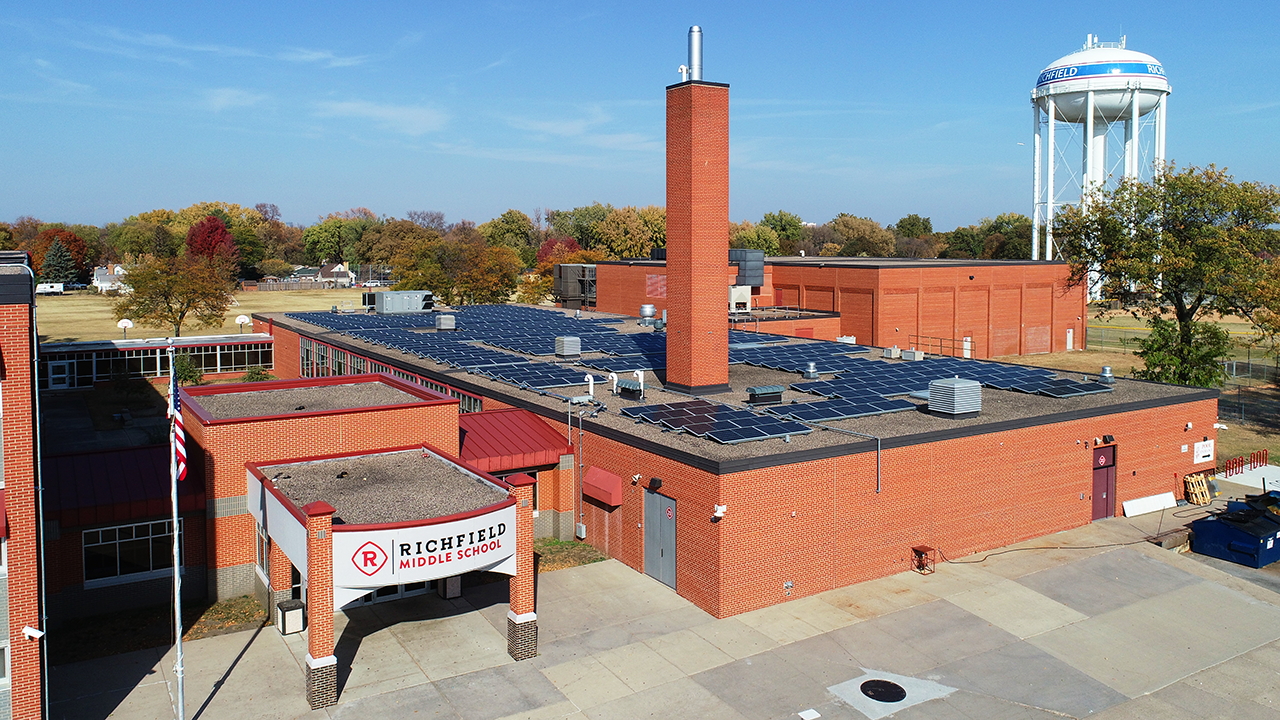
Another program that is a clear success story is Solar for Schools — a partnership between the Minnesota Department of Commerce and CERTS (Clean Energy Resource Teams) that in less than five years has completed projects on 190 schools totaling 23 megawatts, rapidly taking Minnesota to #11 nationwide for number of schools with solar.
Although the EPA funding for the MPCA’s Climate Change Planning grants has been blocked, dozens of communities throughout the state have either completed or are in the process of developing their plans. These grants support the deep engagement that is often financially difficult for communities to self-support. These local processes create the kind of enduring dedication to climate work that will help bridge federal recissions. Finally, as Fresh Energy partners with communities and organizations across the state, there’s a strong attitude of commitment. People understand what needs to be done and will find ways to move forward regardless of headwinds.
Closing
It’s crystal clear that we are at a time in history where states and communities must lead, and Fresh Energy is helping Minnesota do just that. That’s why our leadership across regulatory venues, the Minnesota Legislature, and beyond is so important.
We are in the midst of a climate crisis. Our crisis is further compounded by a federal government that is in a state of adversarial climate denial. However, by furthering reliable, clean, and cost-effective energy solutions, we can improve public health, lower the cost of the electricity that powers our lives, and boost Minnesota’s economy with family-sustaining jobs — to name just a few of the benefits.
We are at an absolutely critical time to keep advancing clean energy policy that fights climate change, and Fresh Energy will not back down. We are committed to continuing to play a pivotal role leading this work in Minnesota through our unrelenting advocacy, providing a defensive bulwark against policies that aim to undo the progress we have already made here in Minnesota.
Stay up to date and get involved with Fresh Energy’s climate and energy work by signing up for our monthly e-newsletter, Powering Progress, or by joining our Action Network, a group of dedicated clean energy and climate advocates plugged in to local, state and federal opportunities for action.
Sources:
1. Effects Of “One Big Beautiful Bill” On Projects | Norton Rose Fulbright – July 2025
4. https://www.mprnews.org/story/2025/04/09/electric-vehicle-sales-in-minnesota-face-challenges
7. https://www.eenews.net/articles/clean-energy-for-cities-no-thanks-trump-says/
Additional reading: A handy cheat sheet from Canary Media can be found here.