
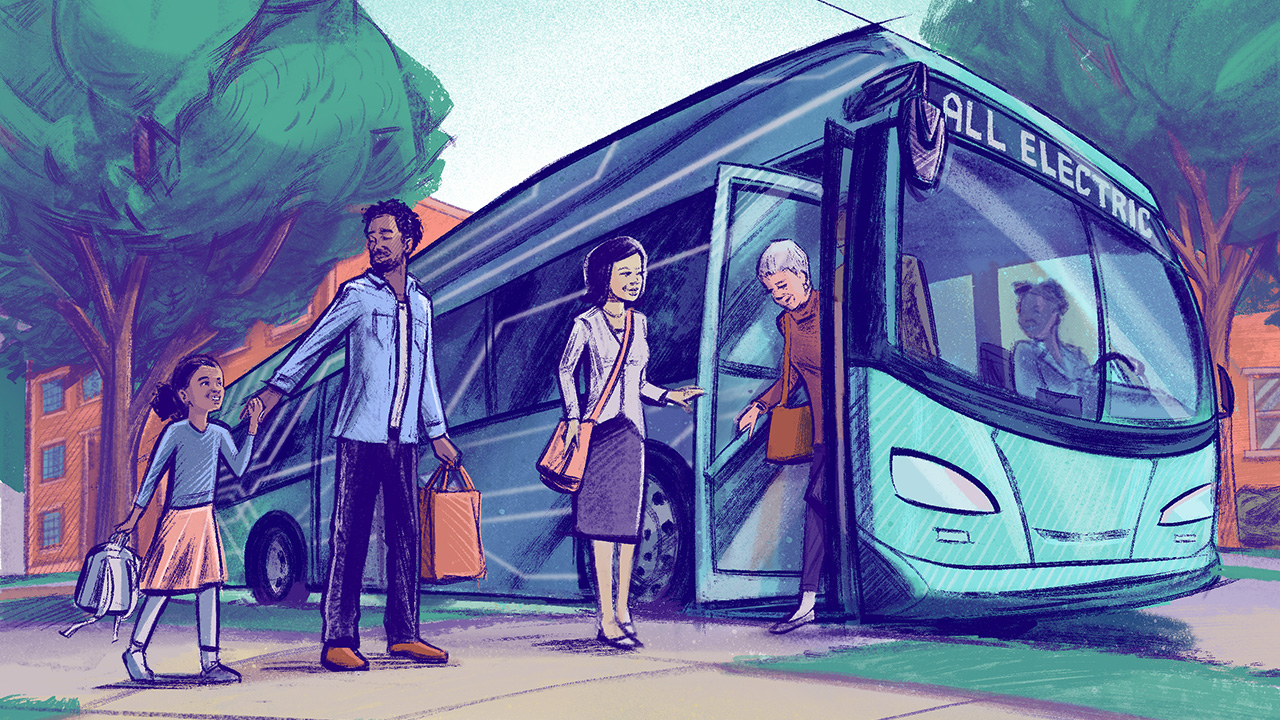
Electrifying transportation feels like a modern and forward-looking activity, but it really isn’t anything new. In the late 19th and early 20th century, electric streetcars were built in the Twin Cities, powered by clean hydropower from Saint Anthony Falls. This shift to electric streetcars famously was a response to the public health and pollution crisis caused by horse manure, which parallels the current need to clean up our transportation sector by eliminating the use of dirty fossil fuels. Transportation now represents the largest sectoral source of carbon emissions in our state, and Fresh Energy is looking for solutions both old and new as we work to clean it up.
Many of these solutions require electric utilities to invest in the grid to support transportation electrification. Luckily, utilities are guaranteed to make money when they invest in approved infrastructure, so they are naturally inclined to seek out opportunities to increase electricity use and get new projects approved. Utilities want people to buy electric vehicles so they can sell more electrons and build more solar fields, transformers, transmission lines, and substations. This is not just good for the utility, it’s good for consumers (who save money on fueling their vehicles) and good for the climate and air quality to boot!
Even though utilities are naturally incentivized to invest in transportation electrification, we still need to make sure that this investment is done with appropriate speed, efficiency, equity, and with state climate goals in mind. The right investments can drive down emissions, improve public health, and increase clean transportation access for all Minnesotans. The wrong investments could exacerbate congestion on our roadways, raise electricity costs without corresponding grid or climate benefits, or leave underserved Minnesotans further behind in the clean energy transition.
That’s why – following a Minnesota Public Utilities Commission inquiry into the topic — the Minnesota Legislature passed a law in 2023 that formalized the requirement for public utilities to develop a Transportation Electrification Plan (TEP) for approval by the Commission. These plans come out every other year, and the next ones are due to be released for public comment in November 2025.
Fresh Energy engages with utilities and other stakeholders on the development and approval of these TEPs to ensure that utilities are investing ratepayer dollars to implement equitable and climate-and-grid-friendly transportation programming.

What makes for a good TEP?
A good TEP maximizes grid benefits
One of the simplest and most directly cost-effective ways that utilities support transportation electrification is by incentivizing electric vehicle (EV) drivers to charge their vehicles at times that benefit the grid. Most consumers currently pay a flat rate for their electricity use, but it costs the utility company more to deliver electricity during peak use times than during times when demand is low, such as overnight. This also corresponds with when most electric vehicles are parked and can be charged. It is a natural fit for utilities to offer time-varying rates that incentivize EV owners to charge their vehicles at times most advantageous to the grid.
Fresh Energy has long supported these policies as they provide enormous decarbonization benefits, cost savings to EV drivers, and provide further benefits by creating downward pressure on electricity rates overall. Analysis from Synapse Economics has demonstrated that across the country EVs have contributed $3.12 billion more revenue than their associated costs, which allows utilities to pay for their infrastructure investments and make a profit all while charging less on a per kilowatt-hour basis than they otherwise would have to all ratepayers.
As electric vehicles become more prevalent, utilities will need to continue to incentivize EV owners to charge (and potentially discharge) their vehicle batteries at times that maximize grid benefits. Fresh Energy supports utilities developing “Vehicle Grid Integration” programs including Active Managed Charging programs and Vehicle-to-Grid (V2G) capabilities. The Union of Concerned Scientists’ research has shown that utilizing the battery in EVs in these ways generate significant system cost savings that can be passed back to vehicle owners. Infrastructure-supporting V2G capabilities are still in their infancy, but Active Managed Charging programs are becoming more prevalent, and both utilities and customers can benefit.

A good TEP makes EV charging widely available
In addition to making EV charging affordable and useful for the grid, utilities also play a role in making EVs accessible to everyone, regardless of where they live or their socioeconomic status. That means that rural Minnesotans, Minnesotans living in multifamily buildings, and even Minnesotans who don’t own a car should have public charging available nearby. This requires specific and targeted investment. In rural areas, for example, people typically drive more, but there are fewer total EV drivers to generate the sufficient revenue necessary for private entities to build and operate charging stations profitably without utility support at this earlier stage of EV adoption.
Minnesota’s public utilities are already investing in activities to support EV charging for these typically underserved groups. Minnesota’s three investor-owned utilities collectively have built and operate 33 public Direct Current Fast Charger (DCFC) stations, primarily in rural areas. The PUC has also approved pilots for Xcel Energy and Minnesota Power to support multifamily EV charging.
Black, Indigenous, and People of Color (BIPOC) communities also receive additional attention in some programs offered by Minnesota’s utilities, such as Xcel’s partnership on the EV Spot Network which has helped create a public EV charging network that serves the HOURCAR electric carshare program. HOURCAR has been extremely successful and has helped underserved and BIPOC Minnesotans get around sustainably and save money by foregoing the need to buy their own personal vehicle.
However, our utilities could do even more to support the widespread development of EV charging stations and access for all consumer types.
As the future of federal funding for EV charging stations is uncertain and state budgets are being tightened, it is increasingly critical for public utilities to help support the market by providing cost-transparency and financial support for the development and operation of EV charging stations, particularly in underserved communities and while the EV market is still nascent. Demand charge holidays (a temporary period when a utility waives the demand charge component of an electricity bill) and rebates for the charging infrastructure can serve to improve the economics of building and operating charging stations in areas where EV ownership is low, helping to spur the very adoption needed to help these stations stand up on their own revenue.
Further, utility efforts should not just be focused on high-powered DCFC public charging but should also include expanding residentially focused curbside Level 2 and even Level 1 charging. By utilizing existing wired structures such as lampposts, some cities such as New York City have significantly expanded curbside charging at far lower costs than is achievable by developing a curbside charging station from scratch.
A good TEP supports fleet electrification
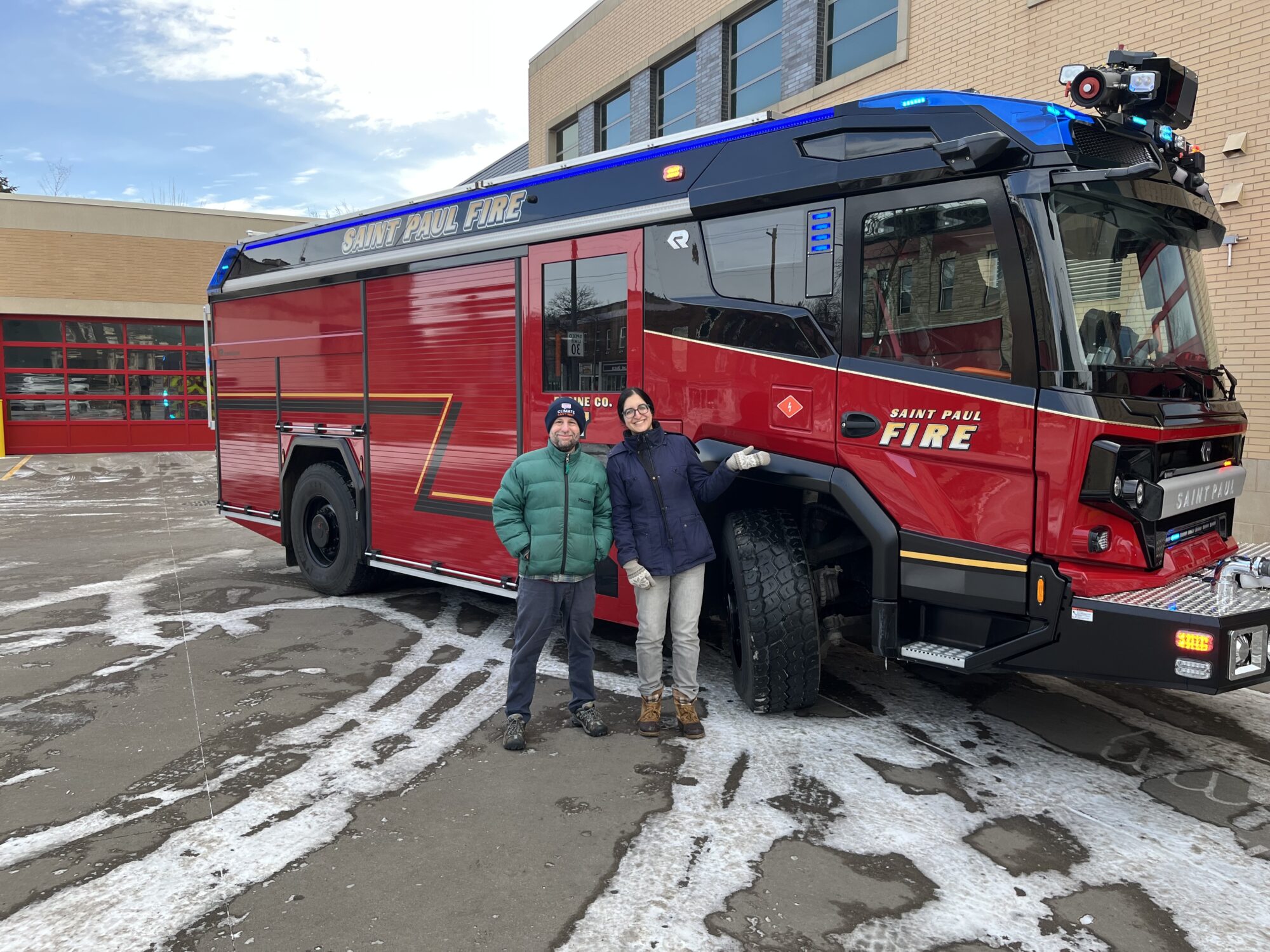
Utilities also support commercial, government, and nonprofit fleet electrification through their TEPs. Vehicle fleets come in all shapes and sizes, and their fueling needs can vary considerably. Utilities often offer “advisory services” to fleets to determine things like the best bus routes to electrify, the best locations for chargers, and the best cost-structure to choose (where available). These advisory services are important. Although fleet electrification often provides cost savings, providing cost-certainty is critical to achieving success in such a nascent and rapidly evolving market.
Utilities should also play a role in lowering the overall cost of fleet electrification. This can be addressed in similar ways to the residential and public EV charging market, with time-varying rates that allow cost savings for charging off-peak as well as rebates and incentives for the cost of charging infrastructure and equipment. Utilities sometimes also offer demand charge holidays or subscription service models that provide cost relief and transparency for fleet charging, which can help both private and public sector fleets in reducing and budgeting for fueling costs.
A good TEP thinks beyond cars
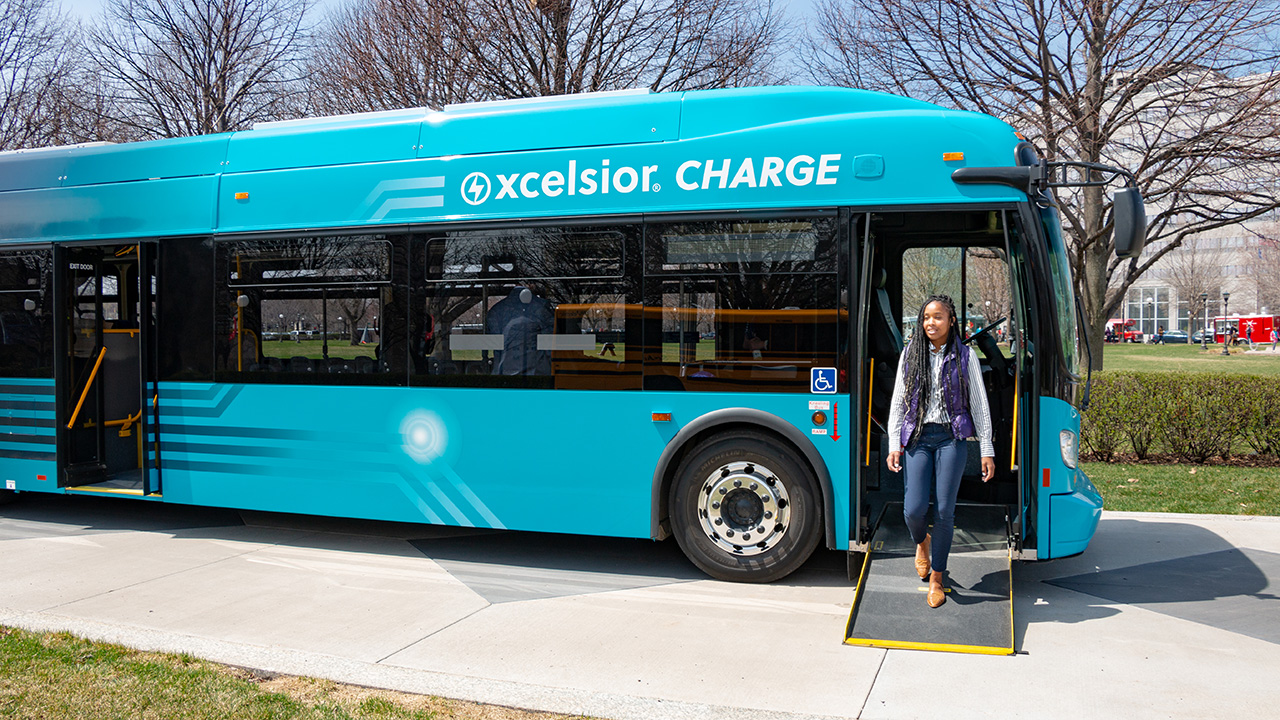
Utilities should also help provide access to sustainable transportation for people who don’t have or want their own personal vehicle, a role that the Minnesota Public Utilities Commission recognized and highlighted in its 2019 Order outlining the role utilities have in supporting EV adoption. Utilities in over 10 states provide explicit support for communities electrifying their school bus fleets. Our Minnesota utilities also support transit electrification, both for our buses and supporting electric rail along those old streetcar lines from over a century ago.
Minnesota’s utilities have not, however, engaged with supporting active transportation such as e-biking or e-scooters. This is a space ripe for utility investment. Some utilities, such as El Paso Electric in New Mexico, provide rebates for customers buying e-bikes. Other utilities, such as ComEd in Chicago, engage with bikeshare companies to build electrified docking stations that automatically charge e-bikes when not in use, preventing the expensive (and carbon-intensive) need for drivers to go around collecting e-bikes with dead batteries.
Utilities can support other electrification activities such as off-road transportation and lawn equipment. Snowmobiles, ATVs, lawn mowers, and even boats can be electrified. Although these vehicles are more frequently used recreationally than for utility trips like commuting, they still create pollution and are important to decarbonize. Electric versions are more climate friendly and can be more economical, especially with utility support like Xcel’s lawncare rebates.

What’s next?
Utilities have enormous power to facilitate or hinder our state’s clean energy goals, particularly in the transportation sector. Recognizing this by formalizing the process of Transportation Electrification Plans in 2023 was an excellent first step towards decarbonizing. However, as we iterate this process, we need to make sure that utilities are engaged in electrifying all segments of the transportation sector, proceeding with equity in mind and innovating with new ideas.
Fresh Energy will continue working hard to advocate for these TEPs to:
- Pilot modern EV charging capabilities to maximize consumer and grid benefits, such as Active Managed Charging and V2G systems.
- Provide significant financial support for the development and operation of EV charging for underserved Minnesotans living in rural areas, multifamily properties, and BIPOC and under-resourced communities.
- Assist with fleet electrification through advisory services, rebates, and cost-structures that consider the positive externalities of electrification.
- Examine new approaches to help achieve state goals on reducing greenhouse gas emissions and vehicle miles traveled through support for transit and active transportation such as e-bikes.
If our utilities can approach their TEPs with appropriate ambition, we will have cleaner air, a lower state energy burden, lower emissions, and we can all reap the benefits of an all-electric future.