
Energy bills are rising, and Minnesotans know it. And when bills go up, everyone wants an explanation.
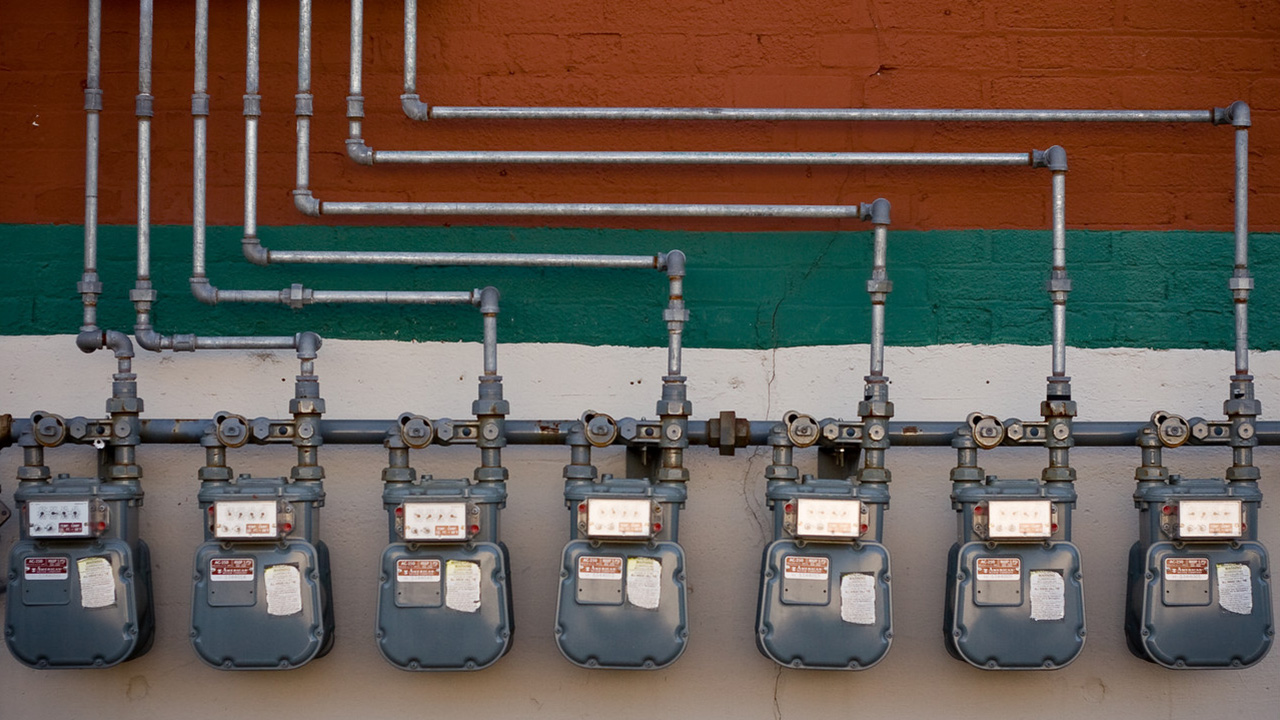
Here’s one you might not have heard: right now, Minnesotan natural gas customers pay millions of dollars a year to subsidize connecting new customers to their gas utility’s system. Every time a developer builds a new home or building and hooks it up to gas, you’re the one who pays for that connection — not the utility or the building owner. It’s baked into your bill as a delivery charge.
This policy is called a Line Extension Allowance, or LEA, and it’s an outdated incentive for the natural gas system that’s increasingly out of line with our state climate goals.
The Minnesota Public Utilities Commission (PUC, or Commission) is considering whether it’s time to end LEAs. Fresh Energy thinks they should, because it’s a straightforward way to ease energy bills for Minnesotans and align our energy system with where we’re headed.
Line Extension Allowances are an outdated incentive that no longer make sense
Line Extension Allowance subsidies were made decades ago, when decision-makers assumed the natural gas system — the pipes that carry natural gas through our communities — would keep growing. More customers on the system meant the costs would be spread across more people, which would help keep bills low. So regulators let utilities charge existing customers a small subsidy (in “delivery fees”) on their bill each month to connect new buildings to the system.
But now that logic no longer holds — and Minnesotans will keep paying more and more until we move on.
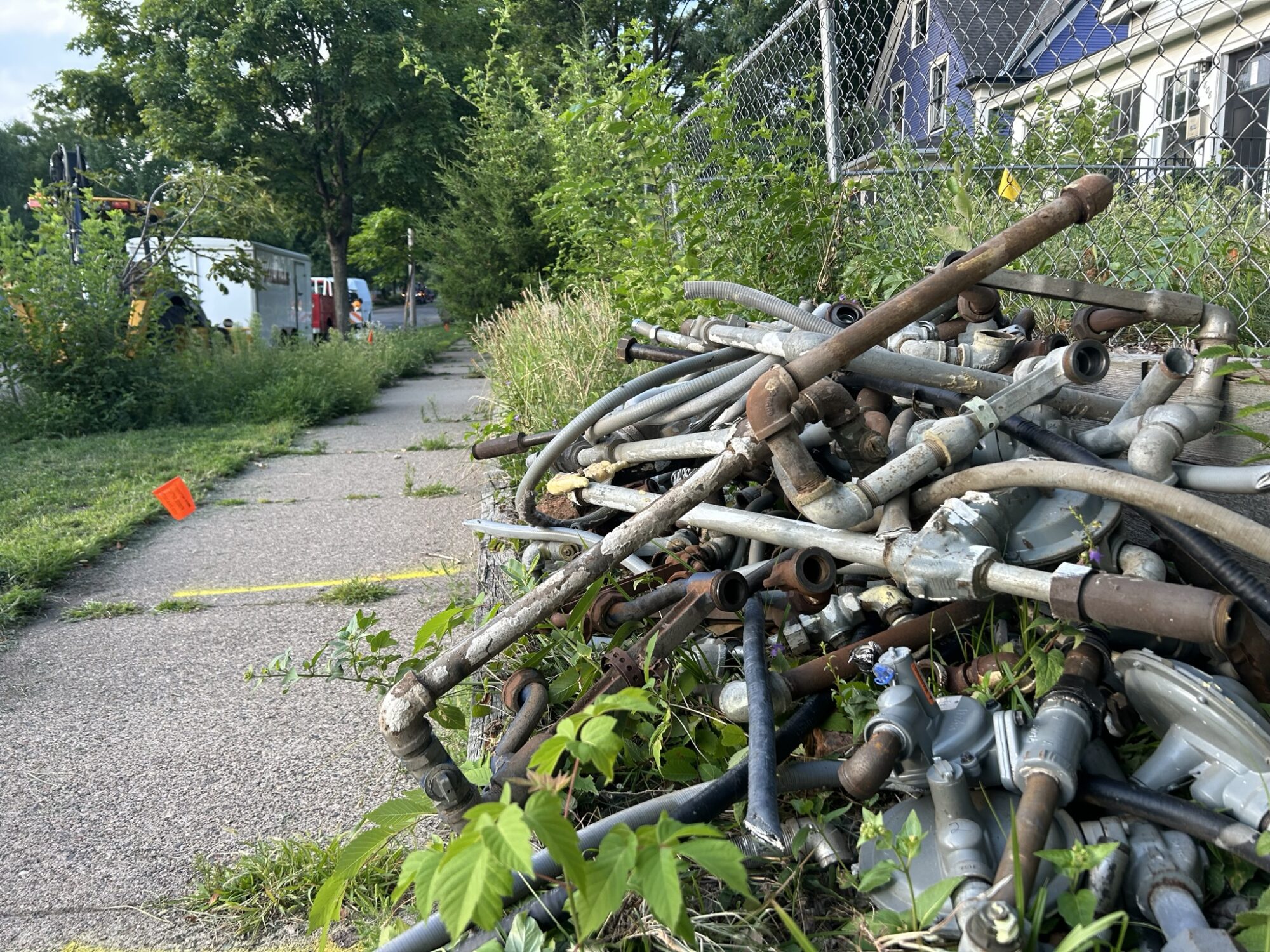
Today, Minnesotans are using significantly less natural gas. 23% less than five years ago, in fact, for the average residential gas customer. People are weatherizing their homes, upgrading to more efficient appliances, and going electric because it’s affordable and cleaner. That’s good news for our state, because burning natural gas is a leading cause of climate change — and our state aims to be carbon-free by midcentury. Demand for natural gas is changing and expected to fall as more Minnesotans switch to cleaner alternatives.
Xcel has also noticed that we’ve reached the inflection point in gas demand. Xcel recently reported that “Interest in converting to natural gas has slowed as the market shifts toward electrification. In addition, the cost advantage of natural gas over other energy options has narrowed, while conversion expenses have increased. As a result, we are seeing reduced interest from both potential conversion customers and new residential construction projects.” Xcel also reported that “in 2025, the Residential Heating and Cooling program saw diverse results across its portfolios, highlighting a continued market shift toward electrification” and “customer adoption of efficient fuel switching measures accelerated significantly in 2025.”
If Minnesotans are using less natural gas, why do our gas bills keep going up? Because most of our bills these days don’t go toward the gas, but maintaining and building more gas pipes. In 1984, 70% of your monthly gas bill went toward the fuel itself, and only 30% went toward paying for pipes. As the gas system has grown, 40% goes to fuel and 60% goes toward pipes. We’re paying more to upkeep a system that’s no longer serving us.
LEAs make the problem worse, because they subsidize building more pipes. That increases rates for customers, and since infrastructure costs are recuperated for decades, those higher bills will be locked in for decades.
Utilities have benefited from this arrangement — they profit from investing in pipes, not selling gas — so they’d like LEAs to continue. But customers don’t benefit from paying more to grow our outdated gas system, and Minnesota doesn’t benefit from investing in fossil fuels while switching to affordable, clean energy systems instead.
Minnesotans want affordable, cleaner energy. The Commission should vote to end LEAs to achieve that.
Ending Line Extension Allowances would save Minnesotans millions of dollars
Minnesotans are feeling the squeeze of higher energy bills. Ending LEAs would reduce approximately $34 million in gas customers’ bills by reducing the annual capital spending of gas utilities. That’s a sizable chunk of customer savings! And a wise way to slow the expansion of the gas system — which we need to be shrinking to meet our state’s climate targets.
Eight states, including Minnesota, have already taken action to reduce or phase out gas LEAs over the past three years. Regulators across the country are recognizing what our Commission is being asked to consider: this policy made sense for a growing gas system, but it’s no longer in the public interest.
The Commission has already made modest changes to LEAs in recent rate case settlements. Now they’re considering if they should go further and eliminate LEAs. Fresh Energy believes they should — both to ease customers’ bills and to reduce greenhouse gas emissions in our state.
Minnesotans are moving on from natural gas
Here’s the good news: Minnesotans aren’t waiting for policy to catch up. Across the state, households are switching from gas furnaces to electric heat pumps, gas water heaters to heat pump water heaters, gas stoves to induction ranges, and gas dryers to electric ones.
Why? Because electric technologies are affordable, and because they come with real benefits beyond the bill.
Electric appliances are more efficient than their gas counterparts, which means they can deliver more warmth per dollar of energy. Heat pumps can heat or cool your home year-round, induction stoves heat up faster and are easier to clean — and none of them emit harmful air pollutants into your home like gas appliances do.
This is exactly the future Fresh Energy is striving to build: an affordable, clean energy future that works for all Minnesotans.
But the energy transition can’t happen household by household if we want it to work for every Minnesotan. We need our regulators to ensure the energy transition happens equitably — and that means making sure that customers on the natural gas system aren’t left paying higher and higher bills. We need regulators at the Commission to help Minnesota transition to affordable clean energy, and that means ending subsidies that grow the gas system and lock-in Minnesotans to higher costs.
Help Fresh Energy end Line Extension Allowances
Fresh Energy is actively advocating at the Commission to end Line Extension Allowances. We joined a letter filed by more than 30 state, regional, and national organizations asking the Commission to stop subsidizing the expansion of the gas system through Line Extension Allowances. This decision could shape our energy future for decades — and it’s essential the Commission helps Minnesotans transition to affordable clean energy by ending LEAs that incentivize a larger and costlier gas system.
Stay tuned as Fresh Energy submits comments, provides testimony, and advocates for an equitable clean energy future at the Commission. In the meantime, sign up for our Powering Progress newsletter to stay up-to-date on the latest clean energy policy opportunities in Minnesota, and join our Action Network to advocate for a cleaner Minnesota.