
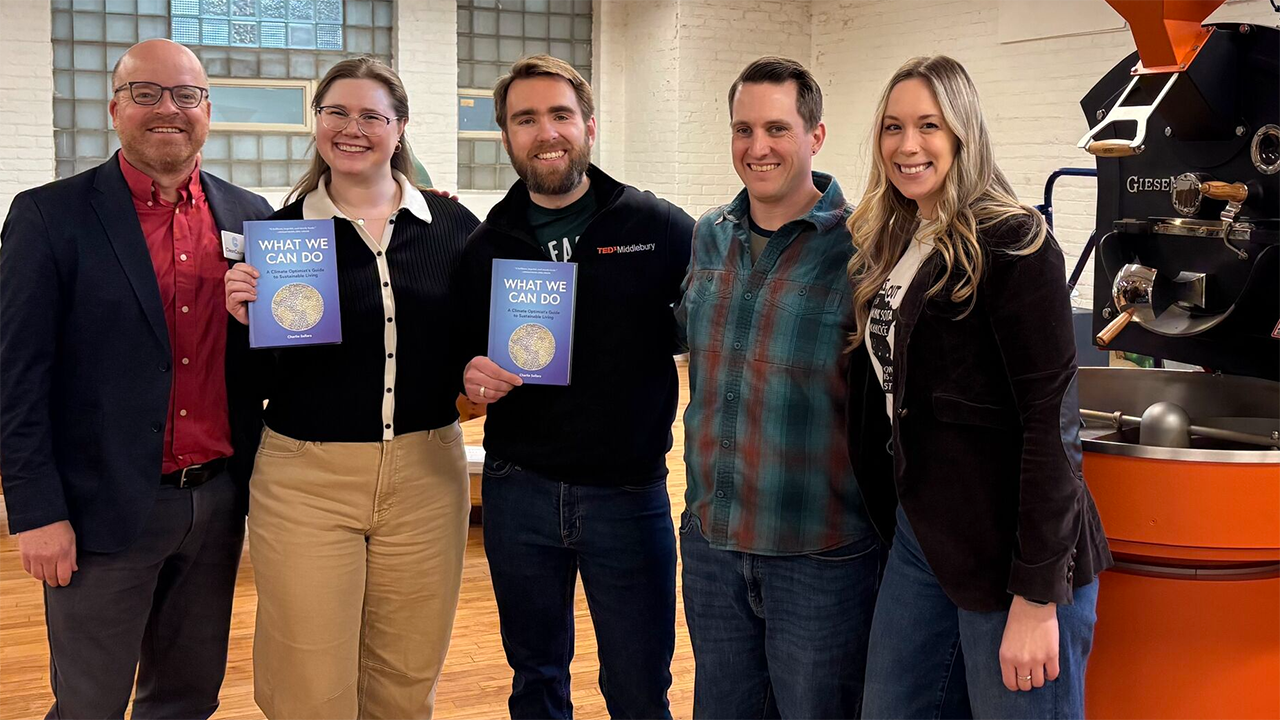
When local author Charlie Sellars set out to write a practical, optimistic book about sustainable living, he wanted to do more than write about it — he wanted to show others how book publishing itself could set a climate-friendly example.
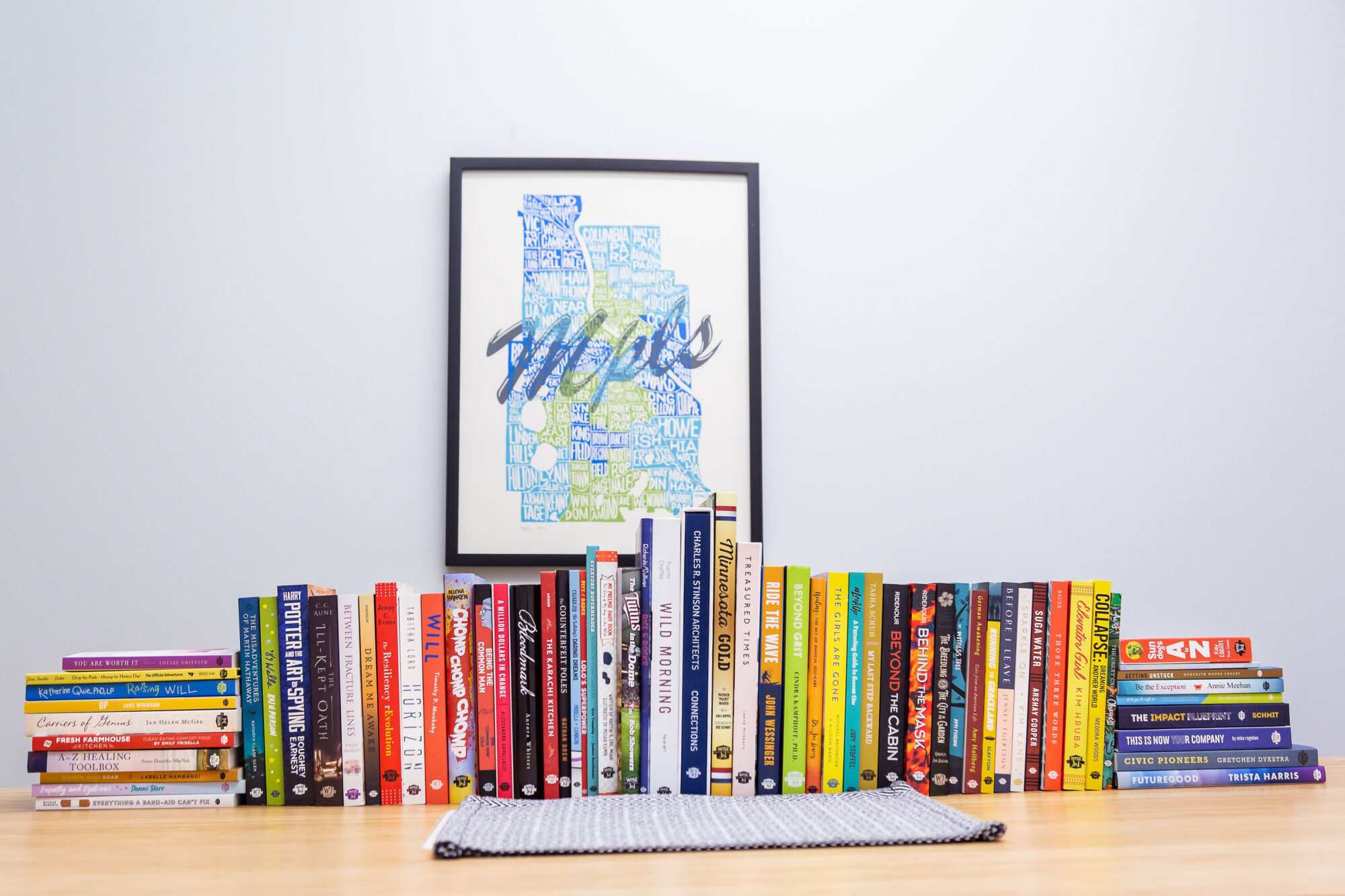
Charlie partnered with his publisher, Minneapolis-based Wise Ink, to help him publish his book “What We Can Do: A Climate Optimist’s Guide to Sustainable Living” as sustainably as possible, likeusing fewer materials, sustainable inks, and more. Wise Ink, a mission-driven independent publisher founded in 2012, was pleased to raise the bar for sustainable book publishing — a standard it’s now bringing to every book it publishes.
“A lot of times, if something’s not happening, it’s not necessarily for a specific reason — it’s just that someone hasn’t thought to ask the right question yet,” Charlie said about making his book as climate-friendly as possible. “And once the right question is asked, the solution can be surprisingly easy, as long as you’re willing to pursue it.”
For Charlie and Hanna Kjeldbjerg, vice president at Wise Ink, that meant rethinking every single element of the publishing process.
The pair dove into making the book as sustainable and efficient as possible. They selected a lower-ink-impact font, adjusted margins to reduce page count, used 100% post-consumer waste (PCW) recycled paper, chose sewn thread binding over standard glue binding so the book can outlast multiple owners, and selected a distribution model that ensured it would end up in libraries.
To measure and track the impact of their choices, Hanna and Charlie used the Environmental Paper Network’s Paper Calculator™, which showed that the initial print run saved 24 trees and 2,000 gallons of water, and also reduced carbon dioxide emissions by 10,000 pounds — less than half the emissions than a standard book of the same length. Printing one 250-page hardcover book is roughly equivalent to two years of charging a smartphone, and with these changes, Charlie and Wise Ink brought that down to a year.
But Charlie and Hanna had even bigger plans for reduce emissions even further.
How solar, sheep, and Catan inspired a new sustainable publishing process
Charlie and Hanna were curious about how to make Charlie’s book even more sustainable when they were introduced to Rob Davis, a Fresh Energy alumnus. Rob told them about how the publishers of Catan, the famous board game, secured solar energy certificates to match the electricity used in manufacturing a special clean energy edition of the game.
Charlie and Hanna then joined Rob to secure solar energy certificates to offset the bookmaking electricity needs of future Wise Ink titles. Rob is head of communications and partnerships at CleanCounts, North America’s largest tracking platform that helps organizations track and manage Renewable Energy Certificates (RECs), which are the certified method of ensuring an organization’s “powered by clean electricity” claim is verified and trustworthy.
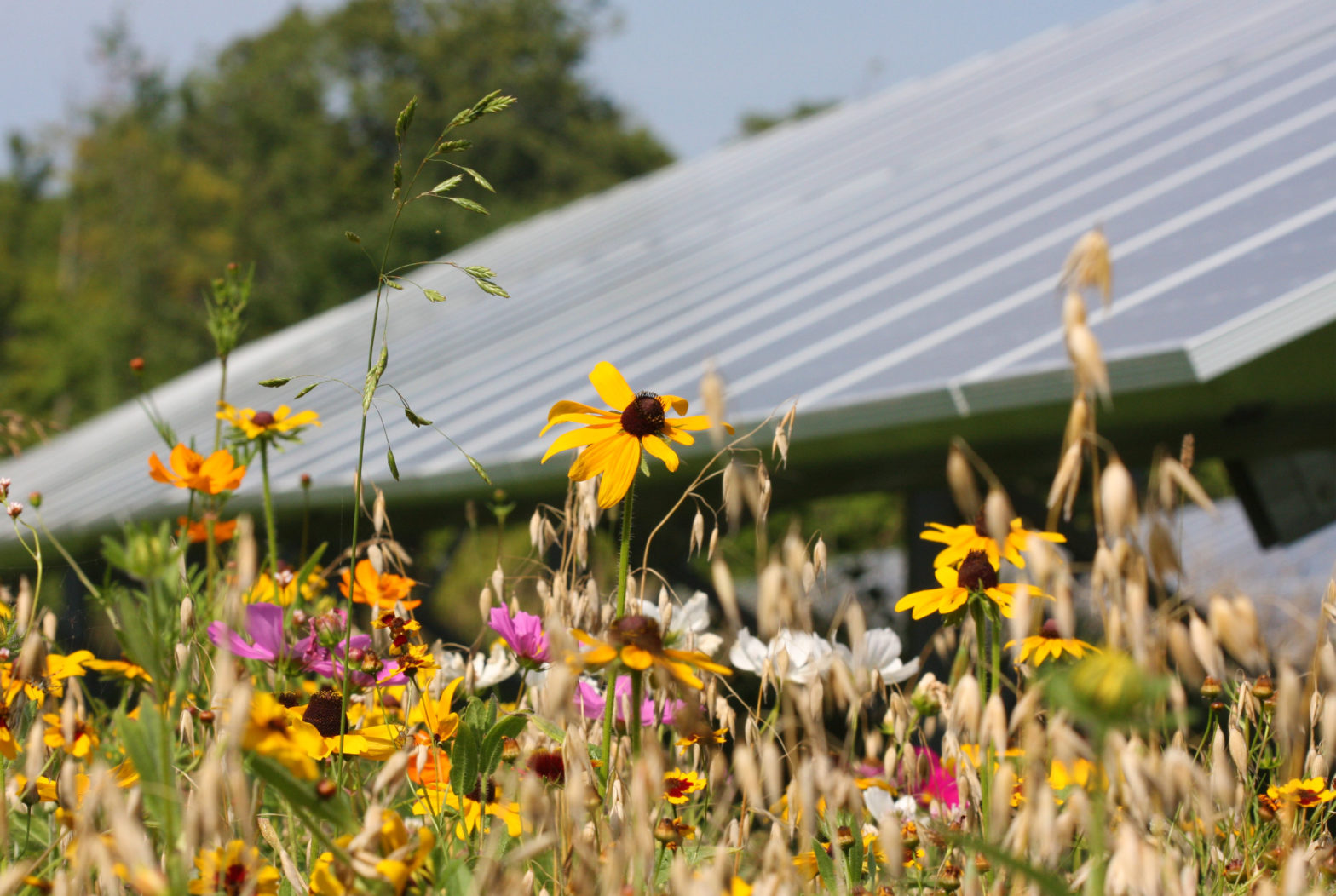
Rob introduced Wise Ink to Seneca Environmental, a tribally-owned business of the Seneca Nation, to purchase its pollinator-friendly solar RECs from a north Metro solar project in their portfolio. Wise Ink procured RECs to cover all of the company’s annual electricity needs as well as enough to print all copies of the 35+ book titles it publishes each year.
But what makes Wise Ink’s solar certificates particularly compelling isn’t just the solar panels — it’s the sheep that graze the solar field and the bees that produce honey there too.
“This isn’t just a generic solar certificate,” Charlie explained. “It’s a solar certificate tied to a specific project with a tribal business REC broker, and it has native, pollinator-friendly plants that are grazed by sheep.”
Raising the bar for the entire book publishing industry
For Wise Ink, partnering with Seneca Environmental and CleanCounts isn’t just about using clean electricity to publish a sustainability book — it’s about setting a new standard for what the entire book publishing industry can and should be doing.
Hanna is bringing that belief to the copyright page of every book Wise Ink publishes, showcasing acknowledgements about their sustainability program in the front and back matter of the book so that readers can understand where the energy came from, what it supports, and why it matters. Wise Ink has also created an email template for other authors to use to challenge their own publishers to be more sustainable, too.
“We’re a small but mighty company,” Hanna said. “Our carbon footprint might be small. But hopefully our changes can start a ripple effect and inspire other publishing companies to do the same.”
What struck Hanna most was about how straightforward it was to make their publishing process more sustainable.
“The most shocking thing was how easy this whole process was, and how affordable, too, once we decided to pursue it,” Hanna said. “Small business owners sometimes think it’ll be cost-prohibitive to make these switches to go greener, but that’s not the case. One 30-minute conversation with Charlie and Rob has changed the entire trajectory of our business.”
The sustainable switch fits into Wise Ink’s broader mission. The company runs a Pathway to Publishing Fellowship covering the education of BIPOC individuals interested in a career in publishing, offers special discounts for nonprofits, and has a cultural reparations program, Project Exodus, where it sponsors the publication of books by Black writers doing restorative justice work. Clean energy was a natural next step for Wise Ink.
“I didn’t know making book publishing more sustainable was something I had the power to create until we started wondering how we could do it,” Hanna said.

Sustainability is better for business, too
For businesses thinking about whether sustainable investments are worth it — Hanna and Charlie are showing it can be better for their bottom line, too.
Charlie has given over 30 talks, appeared on more than 10 podcasts, and won four awards since “What We Can Do” was launched on Earth Day in 2025. He’s talked to churches, universities, and retirees — and he’s received a consistent response from his audiences.
“I have had people literally come up and grab my book off the shelf and say, ‘I like that your book looks and is sustainable, I’d like a copy,” Charlie said. “And I thought, perfect, then it’s working.”

Research from Lawrence Berkeley National Lab backs this up. Surveys of people living near solar farms show that people love agrivoltaic projects like the one Wise Ink uses, which integrate pollinator habitat or grazing animals like sheep. They like them twice as much as standard greenfield projects, and dislike them half as much as other solar projects.
These pollinator-friendly clean energy projects are exactly what Rob at CleanCounts is helping to make possible. “We’re making design decisions that can influence business in a really positive way,” Rob said. “As a society, we’re building a lot more solar, and this is a terrific opportunity for us to build trust and create a future that is aligned with all of our values.”
What we all can do
The story of “What We Can Do” and Wise Ink’s new climate-friendly publishing process is a story about questions: What if we made our books themselves as sustainable as possible? What if we not only used solar energy, but supported projects that go above and beyond with pollinator-friendly vegetation and grazing programs? What if we put all of that on the copyright page of each book so every reader could see it and influence other publishers to join?
None of these were hard questions. Not for Charlie and Hanna to answer, anyways.
Minnesota has long been a leader in the clean energy transition. We’ve developed pollinator-friendly solar standards in agrivoltaics, set a 100% clean electricity by 2040 law, and developed first-of-its-kind distributed energy projects. Stories like Charlie and Wise Ink show that sustainable leadership is about choosing to care, raise the bar, and make an impact wherever and however we can. It shows that small businesses and local authors can make small choices — about margin sizes and ink types and, yes, sheep grazing solar projects — that add up to a cleaner, better future where all can thrive.