
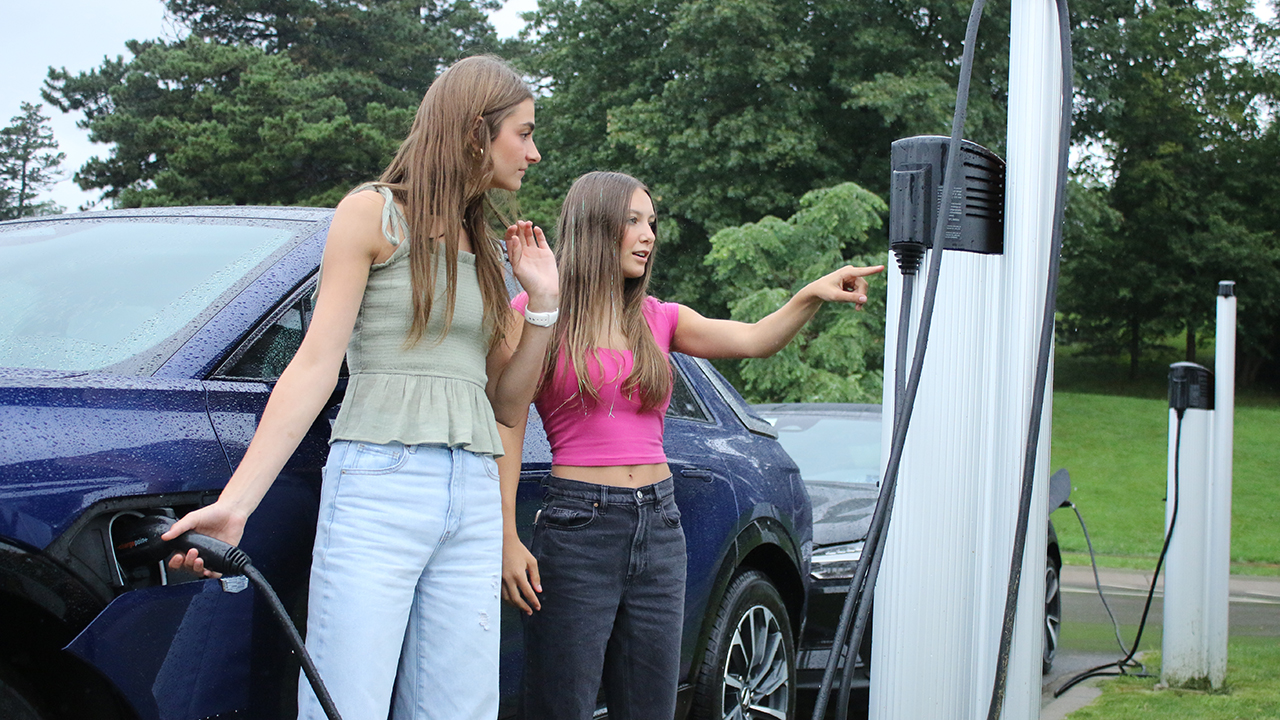
Minnesota’s three electric public utilities recently filed plans to bolster transportation electrification, a move that will lower emissions from Minnesota’s highest-emitting sector.
The wheels are starting to turn on utility action for transportation electrification. As we reported in a recent blog post, public utilities are required to file Transportation Electrification Plans (TEPs) every two years. Minnesota’s three Investor-Owned Utilities (IOUs) filed their latest plans last month, proposing some new programs for electric vehicles (EVs) while offering insights into the success of their current EV programs.
Minnesota’s new Transportation Electrification Plans outline how utilities will invest in transportation electrification
Xcel Energy, Minnesota’s largest electric utility which serves most of the metro area and some of surrounding Greater Minnesota, proposed a major restructuring to the way that it supports the build out of EV charging infrastructure and the adoption of electric vehicles through new programs in its TEP.
Xcel is proposing substantial rebates for charging infrastructure for public chargers, chargers serving multifamily buildings, chargers serving commercial fleets, and chargers serving electric school buses. Additionally, Xcel is proposing an advisory services program to help guide businesses that are looking to benefit by switching to cleaner, affordable, electric fueling for their fleets.
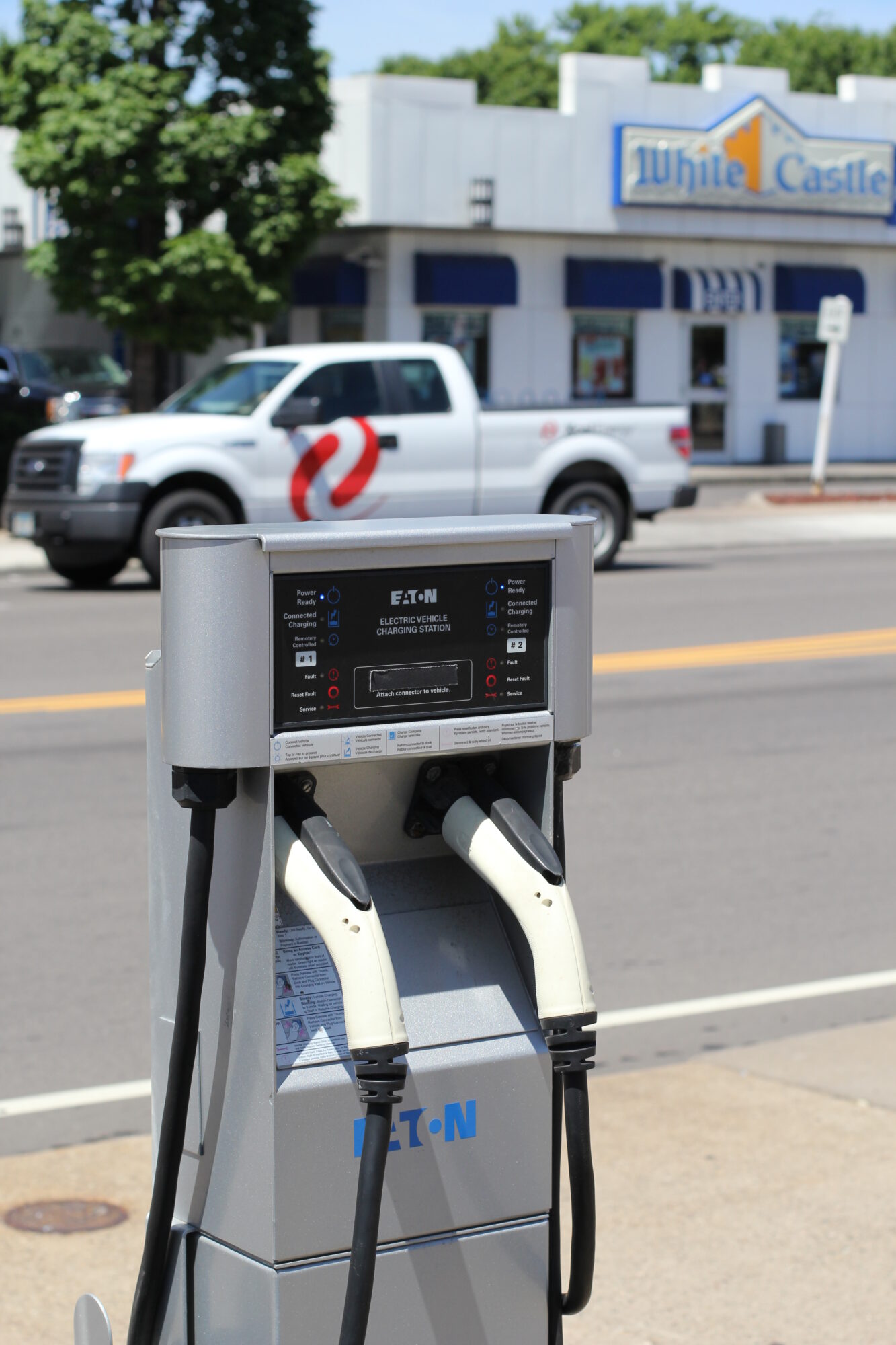
Additionally, Xcel is proposing a new “Charging Perks” program, which is an actively-managed charging program available to residential customers (folks like you and me, who may charge their electric vehicles at home through a Level-2 charger). The “active-managed” part of this program means that Xcel can slow down or stop the charging of vehicles during times where the grid is particularly stressed. In exchange for ceding this ability to the utility, customers will be compensated, particularly in geographic areas where managed charging can preempt the need for expensive infrastructure upgrades.
Minnesota Power, the utility which serves Duluth and parts of rural northern and northeastern Minnesota, did not propose significant new programming in its TEP. However, Minnesota Power is currently proposing new electrification programming through the Energy Conservation and Optimization (ECO) program, including rebates for EVs, e-bikes, and electric lawn equipment!
Minnesota Power is also focused on implementing their recently approved make-ready pilot to support multifamily EV charging and 11 Minnesota Power-owned DCFC charging stations which will help support electric-powered driving along the north shore and around northern Minnesota.
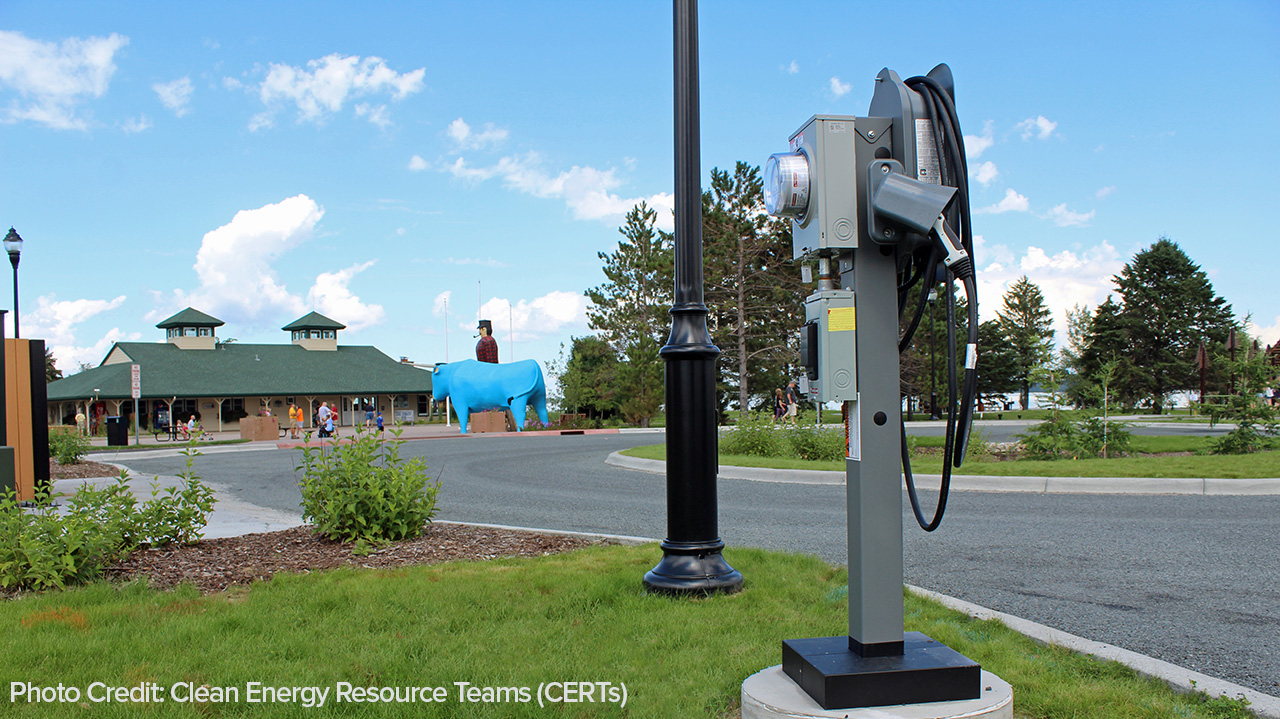
Otter Tail Power, the utility which serves northwestern Minnesota including cities like Fergus Falls and Bemidji, was similarly focused on implementing existing programming in their TEP proposal, including 16 company-owned DCFC locations.
Otter Tail Power, like Minnesota Power, has also proposed some new EV programming through the ECO program. This includes a proposal to enable some managed charging without the need for a second electric service meter. If approved, the program would compensate Otter Tail Power customers $9/month for enabling brief periods of control over the charging of their electric vehicle.
What about the rest of the utilities?
Almost half of Minnesotans live in areas that are served by consumer-owned utilities rather than the three IOUs described above. Cooperatives and municipal utilities are not required to file Transportation Electrification Plans in Minnesota. However, these utilities are still doing a lot to advance Transportation Electrification.
For example, Connexus Energy is helping to ensure that new homes built in its territory are constructed with EV-capable electrical infrastructure in mind by offering builders a rebate for pre-wiring. Other cooperatives offer e-bike rebates, EV charger rebates, and programs for discounted charging during off-peak hours.
What’s next?
As Fresh Energy has said for almost a decade, utility investments that support transportation electrification aren’t just good for the climate, they’re good for everyone!
By encouraging off-peak charging, utilities can more efficiently use existing distribution and generation assets, making electricity more affordable for everyone.
Electric vehicles are exciting and have enormous potential to reduce emissions, improve human health, and provide affordable transportation for Minnesotans. But, we need to invest in infrastructure and programs to lower the costs of transitioning and maximize those benefits.
Over the next nine months, Fresh Energy will work at the Public Utilities Commission to improve upon the Transportation Electrification Plans proposed by our utility companies to make the most of this opportunity to make our transportation system cleaner while keeping our electricity affordable.