You might not always see it, but air pollution is part of daily life in Minnesota.
It rides along I-94 during rush hour and lingers near backyard fire pits in Duluth. It rises from gas-powered snowblowers in winter and lawnmowers in summer, while year-round industrial emissions move through communities from the Twin Cities to Greater Minnesota.
Overall, the Midwest is a top-emitter of air pollution in the U.S. If the Midwest were a country, it would rank as the world’s fifth-largest emitter.
Air pollution also doesn’t stop at the front door. It comes from gas stoves and furnaces, poorly ventilated appliances, and more sources inside our homes.
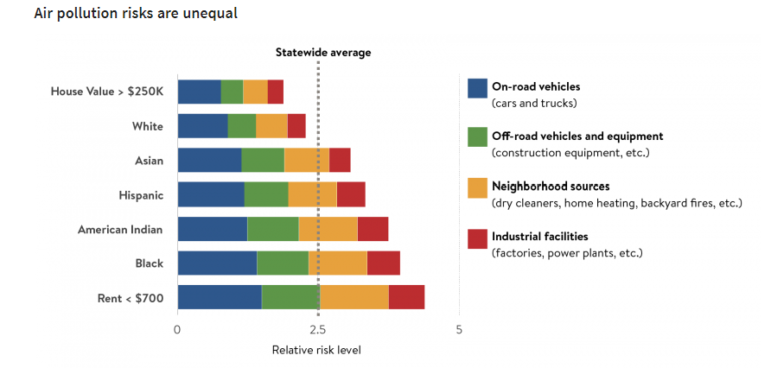
Air pollution in Minnesota is a significant public health issue and a major contributor to 3,200 to 6,400 premature deaths annually. It’s linked to up to 10% of all deaths statewide and hundreds of hospital visits due to heart and lung conditions. The burden falls heaviest on low-income communities and communities of color.
Globally, the combined effects of outdoor and indoor air pollution are associated with an estimated 6.7 million premature deaths each year. In 2019, 99% of people worldwide lived in areas where air quality levels failed to meet the World Health Organization’s guidelines.
The scale of the problem is global, but the path to cleaner air starts right here in our communities.
Let’s take a look at the impact of air pollution, the major sources of Minnesota’s air pollution, and the solutions — from policy to personal action — that can better ensure cleaner air for all.
Along the way, we’ll share how Fresh Energy and our partners are advancing clean energy solutions that tackle air pollution at its primary sources, and the critical role you can play.
What Is Air Pollution, Anyway?
Air pollution refers to the contamination of the air we breathe — both indoors and outdoors — by harmful gases, particles, and chemicals that threaten our health, ecosystems, and climate.
It includes greenhouse gases (often discussed in terms of GHG emissions) like carbon dioxide, methane, and nitrous oxide, which trap heat in the atmosphere and drive climate change.
It also includes criteria air pollutants — such as particulate matter, nitrogen oxides, sulfur dioxide, carbon monoxide, ozone, and lead — which are regulated by the EPA due to their widespread and harmful health effects.
Additionally, it includes hazardous air pollutants like benzene, formaldehyde, mercury, and dioxins, which are toxic even in small amounts and linked to cancer, neurological damage, and other serious health problems.
When we talk about air pollution, we’re referring to the full mix of pollutants — some that warm our planet, others that harm our health, and many that do both.
The Impact of Air Pollution in Minnesota
Health Risks
Air pollution can take a quiet, long-term toll — tightened chests, irritated lungs, fatigue, and even increased risk of depression or anxiety. It can also strike hard and fast, triggering asthma attacks or heart emergencies that send Minnesotans to the ER.
Young children and older adults are particularly vulnerable to poor air quality.
People in underresourced communities, people of color, and Indigenous people are more likely to live in areas with air pollution in excess of risk guidelines.
Economic Burden
Lost workdays, rising hospital bills, strain on public health systems, and mounting climate damage add up fast. Air pollution costs Minnesotans billions annually, with the heaviest burden falling on communities with the fewest financial resources.
Environmental Damage
Air pollution doesn’t just stay in the air.
Harmful particles and gases settle into our lakes, seep into our farmlands and food systems, and coat the leaves of our forests — quietly unraveling ecosystems, endangering wildlife, and reshaping the landscapes that Minnesotans call home.
Climate Impact
In Minnesota, heat-trapping pollutants like carbon dioxide, methane, and black carbon are driving rising temperatures and shorter winters. They’re also fueling more extreme weather, from droughts to heavy rains.
These changes are also fueling more severe wildfires and worsening air quality, creating a dangerous feedback loop.
A sharp reminder of this cycle came in June 2025, when wildfire smoke from Canada drove air pollution in Minnesota to record highs. The state’s first-ever maroon air quality alert, signaling “very unhealthy” conditions, was issued.
The fires, intensified by climate change-driven heat and drought, filled the air with fine particulate pollution. The smoke, in turn, contributed to further atmospheric warming, feeding the very conditions that led to the wildfires. It was a stark example of how air pollution and climate change reinforce and accelerate each other.
Sign up for Powering Progress
Get your monthly spark for clean energy in Minnesota — one powerful email, packed with wins, exclusive updates, and inspiration to keep you informed and energized as we build a clean energy future in Minnesota.
It’s a must-read for Minnesotans who believe clean energy is key to cutting air pollution.
Stay connected, take action, and be part of the movement driving real change.
Sign Up HereThe Causes of Air Pollution in Minnesota

Air pollution in Minnesota doesn’t stem from a single culprit. It’s the result of both everyday individual choices and broader systems that have compounded into a serious threat to our health and environment.
Here’s a quick breakdown of some of the most common contributors:
Transportation
Tailpipe emissions from cars, trucks, and buses release pollutants like nitrogen oxides and fine particles. Pollution is especially high during rush hour in urban areas.
A study by the Massachusetts Institute of Technology found that road transportation emissions are responsible for 53,000 premature deaths each year in the U.S., making it the leading source of air pollution-related early deaths. For context, 42,514 people died in motor vehicle crashes in the United States in 2022.
Transportation is also the top source of greenhouse gas emissions in both Minnesota and the U.S., largely due to the carbon dioxide released from burning fuels.
Industrial Operations
Factories release a mix of air pollutants during production, affecting nearby neighborhoods and the broader region.
Electricity Generation
Burning fossil fuels like coal, oil, and natural gas for electricity and heat produces large amounts of air pollution, including sulfur dioxide, nitrogen oxides, and greenhouse gases that contribute to both local smog and global climate change.
In 2019, air pollution from fossil fuel power plants used to generate electricity caused up to 9,000 premature deaths in the United States.
The Midwest experienced the highest number of these deaths, even though it’s only the second least populous region.
Electricity consumed in the Midwest is among the most polluting in the country, leading to the highest health risks per kilowatt-hour.
Electricity consumption in the Midcontinent region (MISO), which covers much of the Midwest, led to more pollution-related deaths than any other region in the U.S. Learn more about MISO and why it matters for Minnesota’s clean energy future.
The health impacts from air pollution caused by electricity generation vary widely depending on where you are in the country — and the Midwest is hit the hardest.
The Midwest also leads the nation in emissions, which means we also have the power to lead in reducing them. Learn more about why the Midwest leads U.S. emissions and how that creates the opportunity for bold leadership.
Fresh Energy is defending Minnesota’s 100% clean electricity law to phase out coal and gas plants and power our grid with carbon-free energy.
Residential Wood Burning
Burning wood for heat or recreation releases fine particulate matter. This is especially harmful during cold, still winter nights when smoke lingers near the ground. Wood burning is responsible for 57% of all direct fine particle emissions in Minnesota.
Lawn and Garden Equipment
In Minnesota, gas-powered mowers, blowers, and trimmers release surprising amounts of pollution. These tools can emit harmful gases like nitrogen oxides, carbon monoxide, and particulate matter, often without the pollution controls used in vehicles, making them major contributors to air pollution.

Agriculture
Livestock manure and fertilizers release ammonia into the air, while diesel-powered tractors and equipment emit nitrogen oxides and particulate matter. In 2022, agricultural soil management accounted for 75% of nitrous oxide emissions in the U.S.
Construction and Demolition
Dust, diesel exhaust, and debris from construction sites contribute to local air pollution, especially in areas with rapid development.
Wildfires and Dust
Smoke from wildfires, often worsened by climate change, and windblown dust can carry harmful particles across long distances, impacting air quality far from the source.
Household Sources
Pollution is often seen as an outdoor concern, yet indoor air can be two to five times more polluted. Since most Americans spend about 90% of their time indoors, that exposure adds up quickly.
Pollutants like radon, mold, carbon monoxide, volatile organic compounds (VOCs), and fine particles from cooking or burning wood pose serious risks, particularly for children, older adults, and people with heart or lung conditions.
Evidence of natural gas’s dangers is growing. 2 out of 3 Minnesotan homes still use natural gas for heating. At Fresh Energy, we’re working on expanding geothermal energy grants and advocating for a Minnesota Heat Standard to make clean heating the norm across the state.
Fluorescent light bulbs, still used in many homes, contain toxic mercury that can pollute indoor air when broken. Fresh Energy is backing the Clean Lighting bill to phase out these harmful bulbs in favor of safer, mercury-free LEDs that improve health, cut emissions, and save money.
Learn more below about how Fresh Energy is advancing bold policy solutions to help Minnesotans make cleaner, healthier energy choices — and tackle air pollution at its primary sources.
What Are VOCs—and Why They Matter
Volatile Organic Compounds (VOCs) are gases released from burning fuels and from many common products like paints and cleaning supplies. They can irritate the eyes, nose, and throat, worsen asthma, and some VOCs are linked to cancer and long-term health risks.
According to the Minnesota Pollution Control Agency, most VOC emissions in Minnesota come from fuel combustion sources—including transportation, permitted fuel-burning facilities, and lawn and garden equipment (see chart). These categories consistently account for the largest share of VOC emissions in 2014, 2017, and 2020.
To reduce your exposure:
- The Minnesota Department of Health offers tips on reducing VOCs in your home or business.
- The EPA’s Safer Choice program helps identify products that are safer for your health and the environment.

What You Can Do About Air Pollution in Minnesota
There are powerful steps you can take to make a difference, starting right at home and spreading into your community.
1. Adopt Clean Energy at Home or Work
Switching to clean energy reduces pollution, can lower utility bills, and supports a healthier future.
Consider installing rooftop solar or subscribing to a community solar garden.
Replace gas-powered appliances with efficient electric ones, such as heat pumps for heating and cooling, induction stoves, electric lawn mowers, and electric water heaters.
If needed, upgrade your electric panel to handle new electric systems.
Weatherize your space by sealing leaks, adding insulation, and upgrading windows to reduce energy waste.
Boost savings and comfort even more with ENERGY STAR® appliances, smart thermostats, and LED lighting.
These upgrades cut emissions, save money, and create a more comfortable home.
2. Maximize Your Savings with Incentives
Make your clean energy upgrades go further by tapping into rebates, tax credits, and local programs. Start with the Department of Energy’s home upgrade guide, then search by zip code in the DSIRE database to find available incentives.
For practical tips and planning tools, explore Fresh Energy’s guide to going electric.
3. Use Less Fossil Fuel for Transportation
Transportation is Minnesota’s top source of climate pollution. Reduce emissions by walking, biking (including e-bikes), taking public transit, or carpooling.
If you drive, consider switching to an electric vehicle (EV) to cut both emissions and long-term fuel costs.
Electric vehicles, with little to no tailpipe emissions, are a key solution for cutting air pollution.
Thanks to decades of advocacy by Fresh Energy and our partners, Minnesota now leads the Midwest in generating clean electricity and using it to power a low-carbon transportation future.
4. Support Strong Clean Energy Policy
Individual actions make a big difference, but we also need bold policy.
Contact your legislators and urge them to support 100% clean electricity, zero-emission transportation, building decarbonization, and investments in climate resilience. Learn more below.
5. Stay Connected
Subscribe to Powering Progress for monthly clean energy updates, and join Fresh Energy’s Action Network for timely opportunities to weigh in on policies that impact our communities.
6. Engage Your Community
Talk to friends and neighbors about clean energy solutions, speak up at community meetings, join local advocacy groups, and support education in schools. The more people who take part, the more powerful our collective impact becomes.
Multiply Your Impact: How Policy Builds on Individual Action
Every individual action matters — whether you’re driving electric, switching to clean energy at home, or replacing gas-powered tools.
These choices improve air quality, protect your health, and inspire others to do the same.
When we pair those actions with strong public policies, we create the conditions for widespread, long-lasting change.
At Fresh Energy, we work to ensure Minnesota is equitably and rapidly transitioning our economy to be clean and carbon-free, cutting pollution at its primary sources.
Thanks to our passionate supporters and dedicated advocates, we’re driving real progress — strengthening regulations, challenging policies that allow harmful emissions to continue unchecked, and advancing bold solutions that speed Minnesota’s transition from fossil fuels to wind, solar, and other renewable energy sources that are affordable, clean, and benefit all Minnesotans.
- Driving electric? Fresh Energy’s policy experts are leading the charge for a more equitable and electrified transportation future in Minnesota. They’re advancing a clean transportation standard and other key policy solutions at the legislative, agency, and regional levels—working to electrify transit and school buses, map a path to zero emissions for medium- and heavy-duty vehicles, and ensure equitable access to EV charging and fair electricity rates.
- Choosing clean electricity? We’re defending Minnesota’s 100% clean electricity law to phase out coal and gas plants and power our grid with carbon-free energy. A growing number of programs and policies are driving equitable, affordable building decarbonization across the Midwest. Fresh Energy’s Buildings team is leading efforts to advance clean technologies, transition off fossil gas, and scale all-electric buildings—working at both the Minnesota Public Utilities Commission and the Legislature. Fresh Energy also incubated the Midwest Building Decarbonization Coalition, a regional network advancing just energy transitions, while Clean Heat Minnesota helps residents shift their heating, cooking, and appliances to clean, local energy.
- Upgrading your furnace or water heater? We’re expanding geothermal energy grants and advocating for a Minnesota Heat Standard to make clean heating the norm across the state.
- Switching to electric yard tools? We helped create a state grant program to make them more accessible for everyone, and we have a great guide to switching your lawncare tools to electric.
- Wondering what can be done about agricultural pollution? Fresh Energy’s Heavy Industry and Agriculture team is focused on boosting agricultural resilience amid increasing extreme weather. Across the region, farmers are adopting soil-friendly practices, tapping into the carbon economy, using green fertilizer, and supporting wind and solar projects — including some that combine clean energy with crop production.
- Concerned about airplane pollution? We’re shaping Sustainable Aviation Fuel policy that prioritizes public health and cleaner fuels to reduce emissions in the aviation industry.
When individual action and smart policy work hand in hand, we can clear the air faster — and for everyone.
We can’t do it without you.
Join us and help power Minnesota toward a healthier, pollution-free future. Together, Minnesota can lead from the North.
Make sure you check the box to sign up for The Fresh Energy Action Network.
This is your direct line to clear energy action. You can turn concern into impact by raising your voice when it matters most. Join today to get timely alerts and help shape Minnesota’s clean energy future, one powerful action at a time.
The Bottom Line on Air Pollution In Minnesota
- Air pollution contributes to thousands of premature deaths in Minnesota each year, far more than those caused by crime or traffic accidents.
- Proven solutions already exist — clean energy, electric vehicles, and stronger regulations are ready and waiting.
- Fresh Energy is at the forefront of the fight for cleaner energy and reducing air pollution at its root, but we can’t succeed without your help. Minnesota needs committed individuals like you to step up, take action, and advocate for change.
Together, we have an opportunity to build a stronger, healthier Minnesota for generations to come.
About Fresh Energy
For over 30 years, Fresh Energy has worked alongside Minnesotans to build a just, prosperous, and resilient clean energy future.
From helping replace diesel buses and gas-powered outdoor equipment to phasing out unhealthy lightbulbs, expanding clean electricity, and accelerating electric vehicle adoption, we are driving forward clean energy policies that protect public health and communities.
Together, we’re creating a healthier Minnesota where clean air and clean energy go hand in hand.
From our team in Saint Paul to thousands of Action Network members statewide, we’re proving that local action can create lasting change.
Join us! Help power Minnesota with clean energy and clear the air for generations to come.
What Supporters Are Saying