
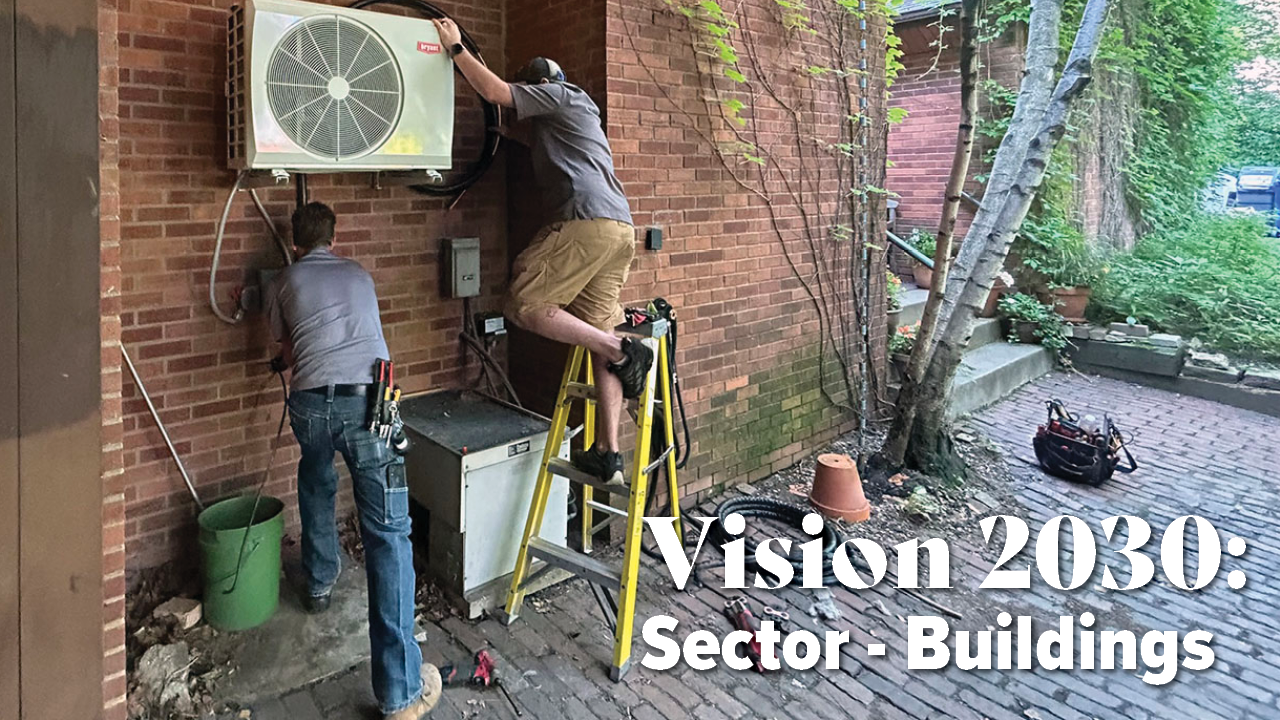
Transitioning Minnesota’s buildings sector to be cleaner, healthier, and affordable
Fresh Energy has been working every day to equitably speed the transition to a clean energy economy for nearly 35 years. To drive the transformational change that we need to take on the climate crisis, Fresh Energy created “Vision 2030,” our strategic framework that focuses on driving down emissions in crucial sectors. A key aspect of our work is in the buildings sector. It’s through the policy work of our Buildings team that we strive to ensure we build carbon-free commercial and residential buildings through effective, innovative, and data-driven policy solutions.
While our Buildings team officially launched in 2023, Fresh Energy has been engaged in making buildings more efficient and clean since our founding. Through effective and meaningful policy solutions, Fresh Energy works to cut greenhouse gas (GHG) emissions from buildings in Minnesota by making it accessible and affordable to electrify, ensuring energy burden inequities are addressed, improving health and safety, and spurring market transformation with the creation of new, family-supporting jobs.
Buildings are Minnesota’s fastest-growing source of greenhouse gas emissions
Buildings are a top source of greenhouse gas emissions — both globally and in Minnesota. Building emissions come from two primary sources: building materials and building operations.
Building materials emissions come from the manufacturing of concrete, lumber, paint, and other products that go into constructing and renovating a building, called “embodied emissions” or “embodied carbon.”
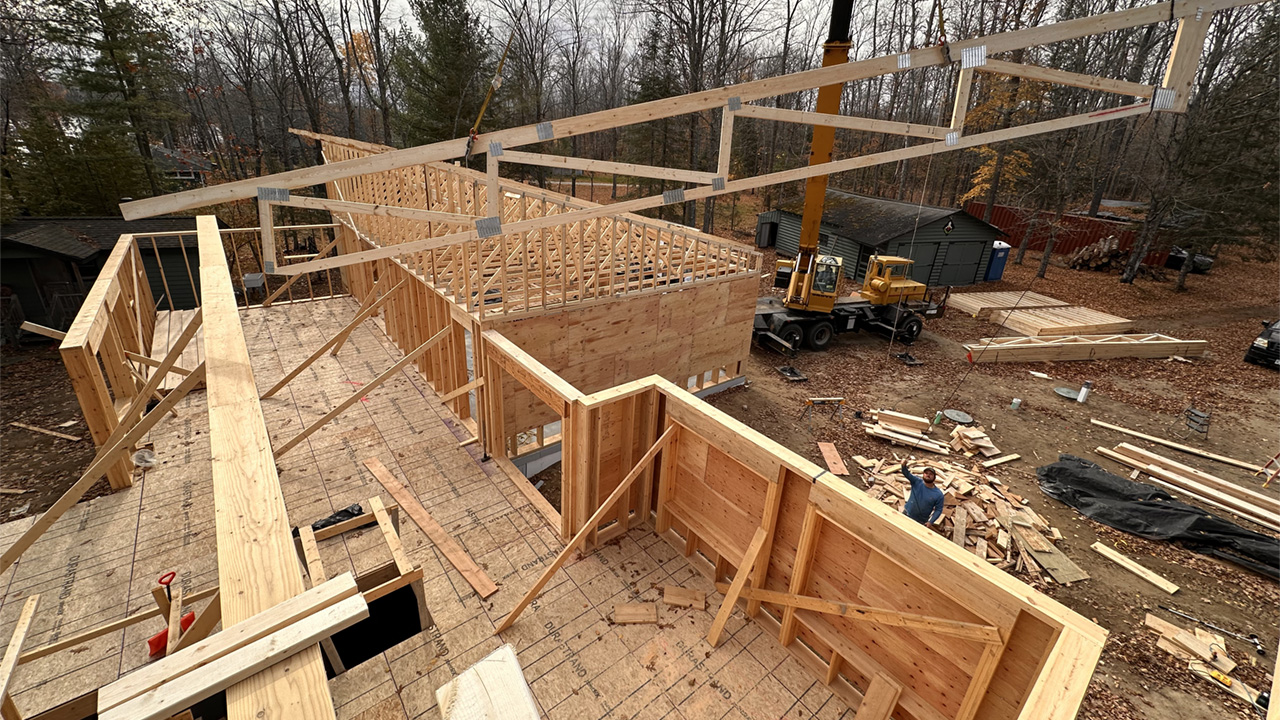
Building operations emissions come from the impact of heating, cooling, and otherwise powering a building during its lifetime. When most people refer to a “net-zero building,” they’re usually referring to only a building’s operational emissions — but the more holistic view is to consider both building materials and operations emissions.
In 2022, annual building operation emissions in Minnesota were up 38% in the residential sector and 48% in the commercial sector over 2005 levels, accounting for 8% and 7% of Minnesota’s total emissions, respectively. While data on embodied carbon from Minnesota’s buildings is not well studied, it is estimated that embodied carbon in buildings accounts for 11% of global emissions and continues to be a growing source of concern.
The primary contributor to increased emissions in Minnesota’s buildings is the amount of natural gas combustion heating being installed in new buildings — like gas furnaces and water heaters — which contribute to a building’s operations emissions. These gas installations are increasing emissions from buildings at a faster rate than state and federal efficiency programs and building energy codes are reducing emissions in the buildings sector.
With buildings emissions growing, not shrinking, Fresh Energy’s work to decarbonize the sector is more important than ever. The question isn’t whether Minnesota can transition a decarbonized building sector — we already know how to utilize cleaner building materials and switch from fossil-fuel-powered appliances to electric ones powered by clean energy — it’s how we can build affordable, efficient, and healthy buildings for all Minnesotans. Fresh Energy’s work is dedicated to finding solutions to this challenge.
Solutions to decarbonize Minnesota’s buildings
Decarbonizing our residential and commercial buildings requires reducing emissions from both the building materials that are used to construct buildings and the operational emissions from heating, cooling, and running appliances in the building. Fresh Energy believes this requires smarter energy codes to improve building performance and transitioning from fossil fuels to electric appliances powered by clean energy.
First, we will decarbonize Minnesota’s new buildings through smarter energy codes and better building performance. By improving the energy code, which sets the minimum efficiency standards a residential or commercial building must meet, we can ensure that our buildings emit fewer GHGs. Improving building energy codes is significant in that they represent a substantial reduction in energy use and will further transition the buildings sector to an efficiency level where meaningful systems transformation can take place.
Second, we will transition Minnesota’s existing buildings’ and fuel systems to emit fewer GHGs by reducing energy use and transitioning to cleaner alternatives. This transformation will allow the buildings sector to affordably move away from high-emissions fuel systems to ones that emit less and are substantially cheaper to install and operate. This change will ensure that efficient, clean homes are the most cost-effective way to build, helping all Minnesotans live in cleaner, healthier, and more affordable homes.
How Fresh Energy makes change: Working where decisions get made
Our Buildings team advances our work in the buildings sector at the state legislature, Minnesota Public Utilities Commission, state agencies, and in communities through policy and regulatory solutions, implementation strategies, and coalition building. Additionally, the team is working to transform thinking around “how we build” through market transformation efforts that are advancing accessible, affordable, equitable building systems.
At the Minnesota Legislature, Fresh Energy advocates for policies to decarbonize buildings. This includes policies that improve the energy code. In 2024, after years of advocacy by Fresh Energy and partners for more efficient residential energy codes, the Minnesota Legislature passed a bill that requires a 70% reduction in energy use by 2038 for new residential buildings in our state. In 2023 we supported efforts to pass a bill that reduces site energy use by 80% in the commercial sector.
In 2021, the Minnesota Legislature passed the bipartisan Natural Gas Innovation Act (NGIA), creating new regulatory pathways to align natural gas utility investments and programs with the state’s greenhouse gas emissions reduction goals. Fresh Energy was a key stakeholder in shaping NGIA — working closely with utilities and other stakeholders in a two-year process to help ensure the statute would spur innovation and meaningful emissions reductions while protecting affordability.
Fresh Energy has also worked with partners at the legislature to pass and continually improve the Energy Conservation and Optimization (ECO) Act and to expand clean geothermal building heating. In 2024, we had several policy wins in these areas.
At the Minnesota Public Utilities Commission (PUC, or Commission), Fresh Energy works with regulators, utilities, and various stakeholders to implement Minnesota’s transition to more efficient, clean buildings that utilize cleaner heating systems. We provide a future-focused assessment, vision, and transitional solutions to Minnesotan investor-owned utilities and regulators by engaging in the Commission’s docket processes.
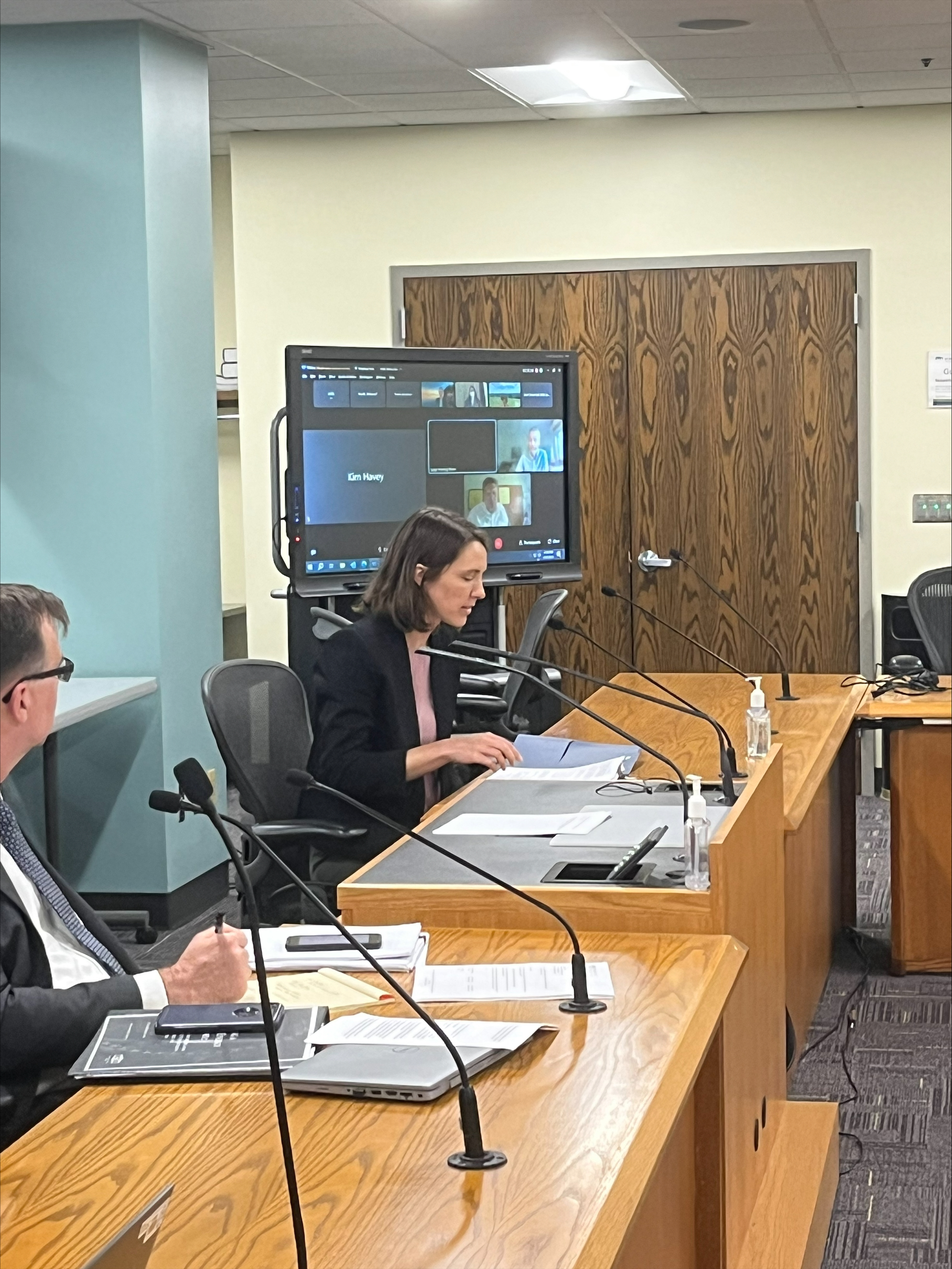
Since the NGIA was passed in 2021, Fresh Energy has played a leading role in implementing and strengthening NGIA at the Commission through formal regulatory proceedings. We actively engage in the NGIA Innovation Plan dockets for both Xcel Energy and CenterPoint Energy, reviewing their proposed pilot portfolios and pushing for greater emphasis on building electrification, energy efficiency, and geothermal solutions — including thermal energy networks — over fossil gas alternatives such as renewable natural gas (RNG) or hydrogen blending.
Our advocacy in Xcel’s initial NGIA plan resulted in the reallocation of $6.7 million away from carbon offsets, renewable natural gas, and gas heat pump pilot programs to new electrification and energy efficiency pilots with a focus on low-income customers. We believe that NGIA investments should be focused on projects that advance tangible long-term decarbonization solutions, support customer affordability, and avoid prolonging dependence on fossil fuel infrastructure.
Fresh Energy also engages in creating the frameworks necessary for change as in the gas Integrated Resource Planning (IRP) proceedings at the Commission — new, forward-looking utility planning established by the Commission in 2023. These plans require utilities to forecast future demand and infrastructure needs for gas service. Fresh Energy worked with utilities and stakeholders to develop the frameworks and requirements for gas IRPs which were finalized and approved by the Commission in 2024. We work to ensure that these plans align with state greenhouse gas emissions reduction goals, account for declining gas usage as buildings electrify, and consider non-pipeline alternatives (NPAs) and demand-side strategies before committing to costly new gas infrastructure.
In parallel, Fresh Energy is engaging in the Future of Gas docket at the Minnesota Public Utilities Commission, which we helped establish through NGIA. The Future of Gas proceeding is examining the long-term role of gas utilities in a decarbonizing energy system — addressing questions of affordability, equity, and stranded assets. Recently, Fresh Energy and partners in the Clean Heat Minnesota coalition filed extensive comments and expert analysis in the docket urging the Commission to phase out outdated gas line extension allowances that subsidize the expansion of the gas distribution system.
At the Minnesota Department of Commerce, Fresh Energy continues to lead in shaping Minnesota’s Energy Conservation and Optimization (ECO) framework and programs — the successor to the state’s long-running Conservation Improvement Program (CIP). Through comments, testimony, stakeholder processes, and coalition work, we have advocated for modernizing utility efficiency programs to center efficient electrification rather than fossil-fuel equipment. This includes phasing out outdated gas appliance rebates in favor of electric heat pumps, expanding programs that enable low-income households to weatherize and adopt clean heating technologies, and designing incentives that align with Minnesota’s climate goals.
At the Minnesota Department of Labor and Industry (DLI), we work to improve the energy code. We have staff representatives on the DLI’s Residential and Commercial Energy Technical Advisory Groups (TAG) working to ensure the recommendations put forward will help Minnesota advance affordable efficient codes for decades to come.
We also collaborate with partner organizations via Clean Heat Minnesota, a statewide coalition of consumer, community, environmental justice, and clean energy organizations working to accelerate a just, affordable transition away from fossil fuels in Minnesota’s buildings. Co-founded and co-led by Fresh Energy, alongside partners at COPAL and the Citizens Utility Board of Minnesota, the coalition aims to increase public engagement at the Commission to advance policies and regulatory reforms that support efficient building electrification, protect consumers, and cut carbon emissions from the gas system.
Fresh Energy’s work across these venues requires deep technical expertise. Our Buildings team combines policy and regulatory expertise, technical building knowledge, and experience in real-world construction and community organizing to ensure Minnesota’s buildings are built and operated to best serve Minnesotans and our climate.

What’s next?
Fresh Energy will continue advocating for lower building emissions across multiple fronts: at the Minnesota Legislature, the Public Utilities Commission, state agencies, and in communities.
Currently at the Public Utilities Commission, we’re focused on the Future of Gas docket, where we’ll push for a comprehensive examination of the long-term economic costs of continued gas system expansion. Our data-driven approach helps us identify the most cost-effective pathways for decarbonization from both public and private investment perspectives.
Through the Clean Heat Minnesota coalition and our newly-formed Minnesota Efficient Builders Coalition, we’re working to ensure diverse stakeholders have access to accurate cost information and technical expertise. Our Building team’s deep knowledge of policy, construction economics and building systems allows us to identify inaccuracies from critics of decarbonization efforts and clearly communicate effective alternatives to decision-makers.
The choices Minnesota makes today about constructing and operating buildings will determine whether future generations inherit a stable climate and thriving economy. Fresh Energy is working every day to ensure our buildings are healthier, cleaner, and more affordable for all Minnesotans.